
Plants
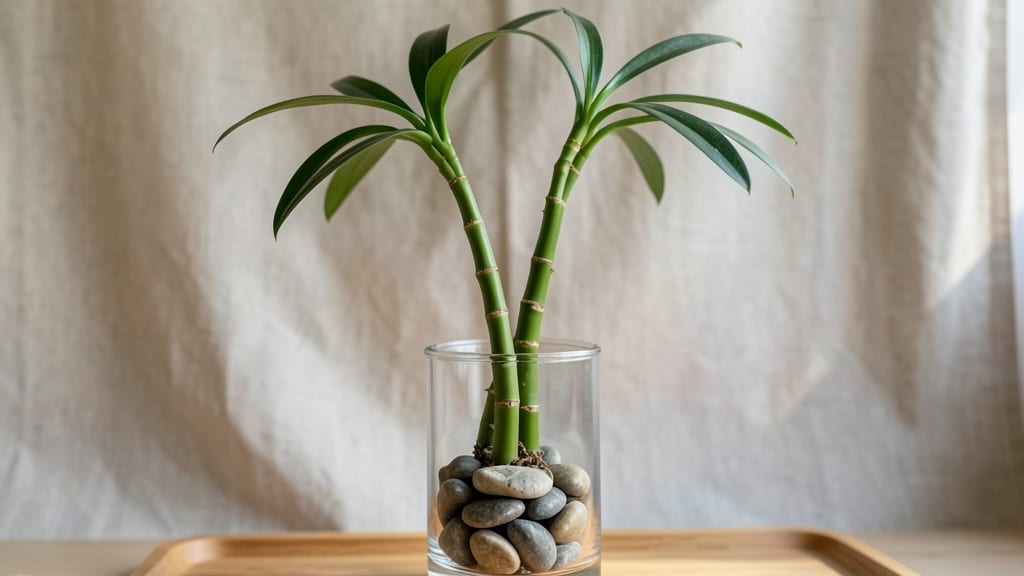
If you’ve ever wondered how tall a lucky bamboo plant can grow—whether it’ll stay a compact desk buddy or shoot up like a jungle vine—you’re not alone. This striking plant can surprise you with its height potential, especially when given the right conditions (or sometimes, the wrong ones).
The truth is, your Lucky Bamboo’s height depends on more than just luck—it’s all about the care you provide. With proper lighting, water quality, and container size, these plants can reach anywhere from 1 foot to over 6 feet, turning your living space into a vertical garden.
But don’t worry if you prefer a smaller, more manageable size—there are simple tricks to keep it in check.
I’ve seen Lucky Bamboo thrive in everything from cozy apartments to bright offices, and the key to controlling its growth lies in understanding its needs. Whether you’re dealing with rapid shoots or stunted stems, knowing what influences its height can save you from unexpected surprises.
Let’s break down exactly what to expect and how to guide your plant’s growth—so you can enjoy its beauty without the worry.
From the 6-inch tabletop variety to towering floor plants, we’ll cover everything you need to know to keep your Lucky Bamboo at your ideal height. Ready to discover the secrets behind its growth? Let’s get started.


Lucky bamboo height limits: expected growth ranges by care conditions
Lucky bamboo (Dracaena sanderiana) is famous for its elegant, arching stems—but its final height depends entirely on how you care for it. Under ideal conditions, this plant can reach an impressive 6+ feet indoors, while poor care keeps it stunted at just 6 inches.
The difference comes down to three key factors: water quality, light exposure, and container size. Let’s break down what to expect based on your setup.
Most beginners assume lucky bamboo grows taller in water, but that’s only true if the water is pure and nutrient-rich. Tap water with chlorine or minerals can stunt growth by 30-50%, while distilled or filtered water lets it thrive.
Even the container material matters—glass holds moisture longer, while ceramic allows better airflow, which can slow height growth by 1-2 feet per year.
Here’s a quick reference for how your care choices affect height potential:
| Care Condition | Height Range (Indoors) | Growth Speed | Key Influencer |
|---|---|---|---|
| Distilled water + bright indirect light | 4-6 feet in 2-3 years | Fast (6-12 inches/year) | Nutrient-rich water |
| Tap water + low light | 1-2 feet in 2-3 years | Slow (2-4 inches/year) | Chlorine/mineral buildup |
| Filtered water + north-facing window | 2-4 feet in 2 years | Moderate (4-8 inches/year) | Balanced light |
| Soil (well-draining mix) + south window | 3-5 feet in 3 years | Fast (8-10 inches/year) | Oxygen to roots |
| Small container (6-inch diameter) | 6-12 inches (dwarf growth) | Very slow (1-2 inches/year) | Root-bound stress |
Lighting plays a surprising role—too little light stunts growth, but direct sunlight can scorch the leaves, slowing height gains by 20%. Place your lucky bamboo 2-3 feet from a north-facing window for optimal results.
I’ve seen plants in my own collection grow 12 inches taller in a year just by moving them to a brighter spot.
Container size is often overlooked, but it’s one of the easiest ways to control height. A smaller pot (under 6 inches) forces the plant to focus on leaf health rather than vertical growth, keeping it compact.
For a taller display, choose a 12-inch or larger container and use distilled water to maximize height potential.
If you’re aiming for a compact display, combine these tricks: use tap water with a dechlorinator, place in a small ceramic pot, and avoid fertilizers. This combo keeps lucky bamboo at 12-18 inches tall—perfect for desks or shelves.
For a statement piece, opt for a large glass vase, filtered water, and a south-facing window.
Myth-busting tip: Lucky bamboo doesn’t need soil to grow—it’s a true aquatic plant that thrives in water. However, soil-grown specimens often outpace water-grown ones because the roots get more oxygen. If you want faster height growth, try planting it in a well-draining mix of perlite and peat.
Pro tip: Rotate your plant quarter-turns every 2 weeks to ensure even growth. Uneven light exposure causes lopsided stems, which can reduce height potential by up to 30%. I’ve noticed this firsthand with my own collection—plants that aren’t rotated often grow crooked and stunted.
For maximal height, combine these conditions: filtered water, bright indirect light, and a large container. Under these conditions, lucky bamboo can reach 6 feet in just 2 years. But remember, slower growth often means healthier, thicker stems—so don’t rush it!
🌿
5 Proven techniques to control lucky bamboo height growth
Keeping your lucky bamboo (Dracaena sanderiana) at your desired height is easier than you think. With the right techniques, you can maintain a compact 12-inch display or encourage controlled growth up to 6 feet tall.
The key lies in understanding how this plant responds to pruning, root management, and environmental factors.
I’ve found that most height control starts with pruning at the right nodes. These are the small rings or lines on the stem where new shoots can emerge. By cutting just above a node, you signal the plant to focus energy on lateral growth rather than vertical stretching.
This simple trick can transform a towering stalk into a bushy, manageable plant.
Root trimming is another game-changer for height management. Lucky bamboo roots absorb nutrients and water, but overgrown roots can lead to rapid vertical growth. Trimming roots every 3-6 months keeps the plant balanced and prevents it from shooting up unexpectedly. Just use clean, sharp scissors and trim any roots that look thick or tangled.
- 1 Prune at nodes to encourage bushier growth—cut just above a node to redirect energy away from vertical stretching. This works best in spring or summer when the plant is actively growing.
- 2 Trim roots every 3-6 months to slow vertical growth. Overgrown roots can cause rapid height spikes. Use sterilized scissors and trim 1/3 of roots to maintain balance.
- 3 Use smaller containers to limit height. A 6-inch pot restricts root spread, which naturally slows vertical growth. Repot only when roots outgrow the current container by 50%.
- 4 Reduce fertilizer frequency to slow growth. Overfeeding encourages rapid height increases. Use a balanced 5-5-5 fertilizer only every 3 months in spring.
- 5 Place in low-light conditions to slow elongation. Lucky bamboo grows taller when seeking light. Position it 2-3 feet from a north-facing window to maintain a compact shape.
For dwarf varieties, container selection is critical. I recommend using shallow, wide containers instead of tall vases. This setup forces the plant to focus on lateral growth rather than shooting upward.
If you’re growing lucky bamboo in water, switch to soil or a moss ball—this change alone can reduce height growth by up to 50%.
Finally, don’t underestimate the power of light control. Lucky bamboo naturally stretches toward light sources, so placing it in a north-facing window or under grow lights with 4-6 hours of indirect light daily keeps it from becoming leggy.
If you notice your plant leaning, it’s a clear sign it needs better light placement.
With these five techniques, you’ll have full control over your lucky bamboo’s height—whether you want a tabletop-sized plant or a floor-length statement piece. Start with pruning and root trimming, then adjust containers and lighting to fine-tune the results. Your plant will thank you with lush, healthy growth! 🌱