
Plants
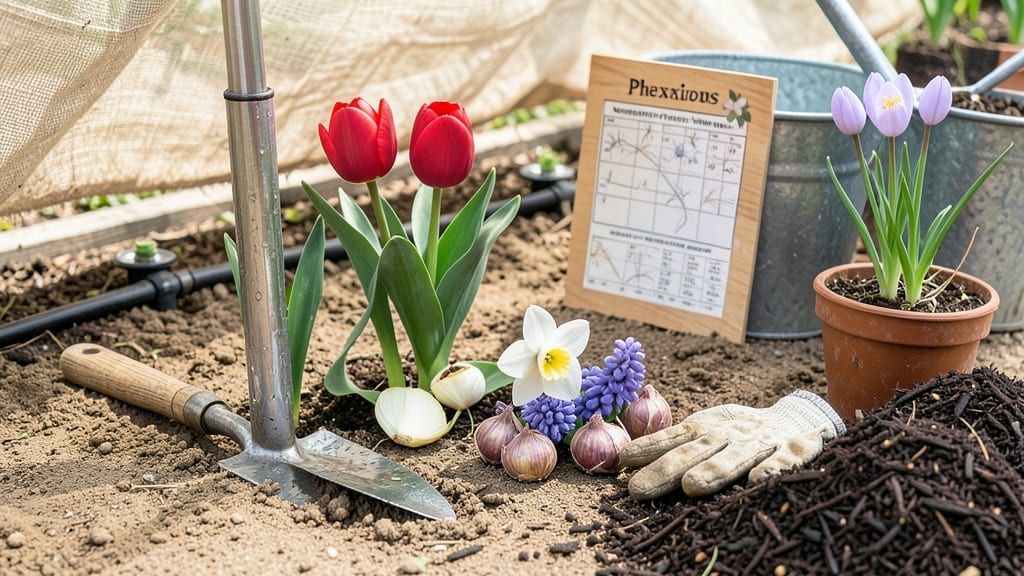
Planting spring flowering bulbs like tulips or daffodils in Phoenix isn’t just about timing—it’s about beating the heat before it’s too late. With Zone 9b’s year-round warmth, you’ve got a narrow window to get them in the ground, and missing it means wilted dreams before they even sprout.
The key is acting fast: bulbs need to establish roots before temperatures climb above 70°F, which happens faster than you’d expect.
Most gardeners in Phoenix swear by October through December as the sweet spot, but here’s the catch: you’re racing against the calendar. Plant too late, and your 🌷 beauties might bolt before they bloom—or worse, never make it past the heat.
I’ve seen firsthand how a few weeks can make all the difference between a showstopping spring display and a sad, half-hearted attempt. Let me show you exactly how to outsmart Phoenix’s climate and turn your garden into a blooming oasis.
What if I told you the secret isn’t just when you plant, but how you prep the soil and protect those bulbs from the desert’s relentless sun?
We’ll cover the 3 critical steps to give your bulbs the best shot—from choosing the right varieties to watering hacks that save you time and stress. Trust me, once you master this, your neighbors will be asking for your secrets.
Ready to skip the guesswork? By the end of this guide, you’ll know exactly when to dig, which bulbs thrive here, and how to keep them happy until spring—no frost worries, no second-guessing. Let’s get those 🌷 planted right, so you can enjoy the results all season long.
Phoenix heat-Zone planting calendar: best months for spring vs fall bulbs
In Phoenix’s USDA Zone 10b, bulbs thrive year-round with the right timing—no frost to worry about, but summer heat demands strategy. Spring-blooming bulbs (like tulips and daffodils) and fall-blooming varieties (such as crocus and hyacinths) each have ideal windows to avoid heat stress.
Plant too early, and roots rot; too late, and blooms suffer. Let’s break it down by month to maximize your garden’s potential.
Phoenix’s mild winters (avg. 50–70°F) and scorching summers (100°F+) create a unique challenge. Most bulbs need cool soil (below 70°F) to establish roots before summer dormancy. Fall planting (Sept–Dec) is critical for spring bloomers, while winter planting (Jan–Feb) works for fall varieties.
Avoid planting during monsoon season (July–Sept)—excess moisture can drown bulbs.
Key rule: Plant bulbs when soil temps are 60–70°F and rainfall is minimal. In Phoenix, that’s October–December for spring bloomers and January–February for fall varieties. Use a soil thermometer to check—ideal temps prevent heat shock.
⚠️ Pro Tip: Amend your soil with organic matter (compost or coconut coir) to improve drainage. Phoenix’s clay-heavy soil can trap heat and moisture, leading to bulb rot. Aim for well-draining, slightly sandy soil to mimic desert conditions.
🌱 Visual Guide: Below is your Phoenix bulb-planting calendar, organized by bloom season and ideal months. Use this as your roadmap to avoid common mistakes like overwatering or planting too deep.
For spring-blooming bulbs, focus on October–December planting. Tulips and daffodils need cool soil to root before summer dormancy. Plant them 6–8 weeks before your average last frost (though Phoenix rarely frosts, aim for
How to beat Phoenix’s summer heat: pre-cooling & shade strategies for bulbs
Phoenix’s summer heat can turn your bulb garden into a crispy disaster if you don’t act fast. With ground temperatures often exceeding 90°F, newly planted bulbs struggle to establish roots.
The key? Pre-cooling the soil and providing strategic shade during their vulnerable first weeks. Let me show you how to protect your spring-blooming bulbs like tulips and daffodils during monsoon season.
Start by planting bulbs in late September or October, when soil temps drop below 75°F. This gives roots time to establish before summer’s brutal heat.
For bulbs planted in fall, like crocus or hyacinths, focus on shade cloth or temporary shade structures to block midday sun. Even a 30% shade cloth can reduce soil temps by 10-15°F, making all the difference.
⚠️ WARNING: Overwatering in Heat is Worse Than Underwatering Planting bulbs in Phoenix’s summer heat without proper prep can lead to rotten bulbs or stunted growth. Here’s what NOT to do:
- Don’t plant bulbs when soil temps exceed 80°F—wait for cooler evenings.
- Avoid watering at night—this traps heat and encourages fungal diseases.
- Never skip mulching—even 2 inches of straw can lower soil temps by 5°F.
For soil preparation, amend your garden beds with organic matter like compost or coconut coir to improve water retention. Bulbs need moisture consistency, but Phoenix’s sandy soil drains too fast.
Mix in 1 part compost to 3 parts native soil to hold onto water longer. This is especially critical for newly planted bulbs that haven’t yet developed deep roots.
Mulching is your secret weapon against summer heat. Use 3-4 inches of organic mulch, like straw or wood chips, to insulate the soil. This keeps roots cool and retains moisture longer.
For extra protection, apply white landscape fabric over the mulch during peak heat (10 AM–4 PM). Just remember to remove it after sunset to allow airflow and prevent root suffocation.
If you’re planting bulbs in pots or containers, choose terracotta or fabric pots to allow better airflow. Fill them with a lightweight potting mix blended with perlite or vermiculite for drainage.
Place pots in shady spots during the day and move them to bright light in the morning or evening. A self-watering pot with a reservoir can also help maintain consistent moisture without overwatering.
Finally, monitor your bulbs closely during monsoon season. While rain provides much-needed moisture, sudden downpours can displace mulch or cause soil erosion. After heavy rains, fluff the mulch and check for puddling around bulbs.
If you notice yellowing leaves or soft stems, it’s a sign of overwatering—reduce watering immediately and improve drainage. With these strategies, your bulbs will survive Phoenix’s summer heat and reward you with vibrant blooms next season. 🌱