
Plants
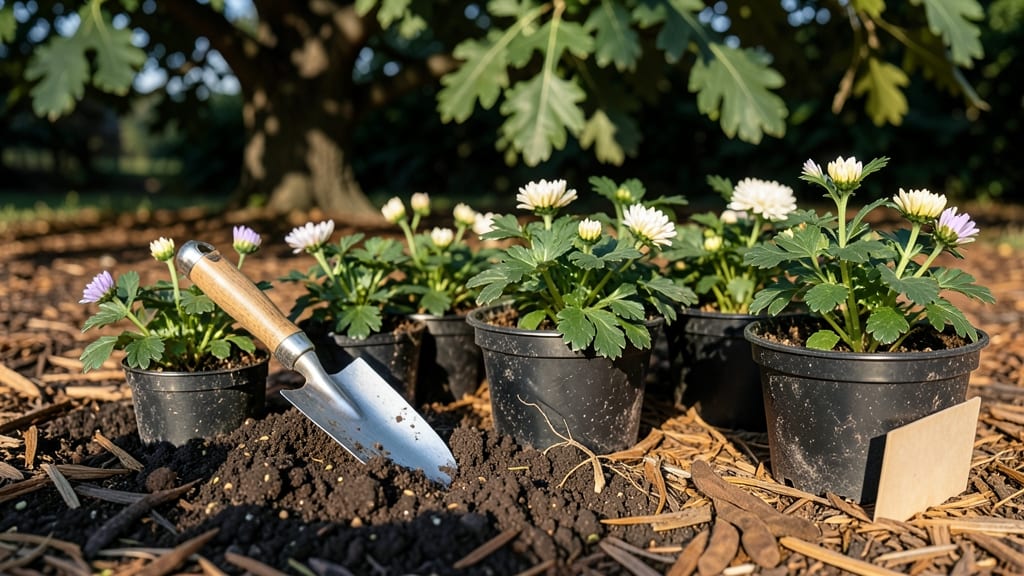
Planting chrysanthemums in the fall means the difference between a vibrant spring display and a missed opportunity. These hardy flowers thrive when planted 4-6 weeks before your first frost, giving their roots time to establish before winter dormancy.
Whether you're in USDA Zone 6a or a warmer region, timing is everything—too early and they'll bolt; too late and they won't bloom.
I've learned the hard way that rushing the process leads to weak stems and sparse blooms. The key is understanding your local frost dates and adjusting your schedule accordingly.
For most gardeners, that means getting those 🌼 planted between late August and early October. But don't just guess—check your area's average frost date and work backward.
What makes fall planting so special is how it sets chrysanthemums up for success. When planted at the right time, they develop strong root systems before winter, then burst into color as soon as spring arrives.
You'll need well-draining soil and a sunny spot, but the payoff—those cheerful blooms—is worth every bit of preparation.
Ready to transform your garden? Let's break down exactly how to calculate your perfect planting window, prepare your soil, and care for your chrysanthemums so they thrive through winter. Your future spring garden will thank you!
How to calculate the perfect fall planting window for chrysanthemums
Planting chrysanthemums in the fall gives them time to establish strong roots before winter dormancy. The key is understanding your local frost date and adjusting planting time accordingly.
For most regions, aim to plant 4-6 weeks before your first frost—this ensures your chrysanthemums have enough time to root before the ground freezes.
Start by checking your USDA hardiness zone to determine your average first frost date. For example, in Zone 5, the first frost typically arrives in mid-October, so you’d plant chrysanthemums in early September. In Zone 8, where frost comes later (December), you can plant as late as November.
Use the National Weather Service or local agricultural extension office for precise frost date data. Alternatively, online tools like the Old Farmer’s Almanac provide frost date maps by region. Once you have your frost date, count backward 6 weeks to find your ideal planting window.
Adjust your planting window based on soil temperature, not just air temperature. Chrysanthemums thrive when soil temperatures are between 55-70°F. If your soil is still too cold, wait a few days or use black plastic mulch to warm it faster.
Conversely, if your soil is too hot (above 80°F), delay planting until temperatures drop.
For regions with unpredictable weather, like the Pacific Northwest or Appalachian Mountains, plant on the earlier side of your window. These areas often experience early frosts or sudden temperature drops. In contrast, coastal regions with milder winters, like Southern California, can plant later—even into November—without risking frost damage.
Consider your chrysanthemum variety when calculating timing. Hardy varieties, like 'Mammoth' or 'Ruby Mound,' tolerate colder soils and can be planted closer to frost. Tender varieties, such as 'Daisy' or 'Cushion,' need warmer soil and should be planted earlier. Always check the variety’s USDA zone range for guidance.
Once you’ve determined your planting window, prepare your garden beds by amending the soil with compost or aged manure to improve drainage and fertility. Chrysanthemums prefer well-draining soil with a pH between 6.0-7.0. Test your soil a few weeks before planting to make any necessary adjustments.
After planting, mulch with 2-3 inches of straw or shredded leaves to retain moisture and protect roots from temperature swings. Mulching also suppresses weeds, reducing competition for nutrients. Water deeply after planting to encourage root growth, but avoid overwatering, which can lead to root rot in cold, wet soil.
By following these steps, you’ll ensure your chrysanthemums establish strong roots before winter, setting the stage for vibrant blooms next spring. Even a few weeks off can make a difference—so pay attention to your local climate and adjust as needed! 🌼
Signs your chrysanthemums are ready for fall planting (and how to prepare them)
Your chrysanthemums send clear signals when they're ready for fall planting—look for deep green leaves and sturdy stems. Healthy plants will have well-developed root systems and minimal yellowing, indicating they've stored enough energy for winter.
These visual cues mean your chrysanthemums can handle the transplant shock that often follows fall moves.
Check for leaf maturity by gently tugging on the foliage. If leaves stay firmly attached rather than pulling away easily, your plants are ready. Another key sign is stem hardness—press a stem lightly with your thumb.
If it feels firm and doesn't bend easily, your chrysanthemums are primed for their new home.
✅ Pros of Fall Planting
- Cooler soil temps reduce transplant shock
- Established roots before winter dormancy
- Spring blooms arrive earlier and more vibrant
❌ Cons of Fall Planting
- Late planting risks frost damage before roots establish
- Poor soil prep leads to weak growth next season
- Overwatering can rot tender new roots in cold weather
Before transplanting, prepare your chrysanthemums with a 2-week watering adjustment. Reduce watering slightly to harden off the plants—this mimics natural fall conditions and helps them adapt. Water deeply 2-3 days before moving to ensure roots are hydrated but not waterlogged, which can cause transplant stress.
Amend your planting soil with compost or aged manure (2-3 inches mixed in) to improve drainage and fertility. Chrysanthemums thrive in well-draining soil with a pH between 6.0-6.5. Test your soil first—if it's heavy clay, add perlite or sand to create the ideal texture for fall planting success.
When transplanting, dig holes twice as wide as the root ball but only as deep as the container height. Gently remove plants from pots, loosen tangled roots, and place them in holes with the top of the root ball level with soil.
Fill gaps with amended soil and water immediately to eliminate air pockets.
After planting, apply a 2-inch mulch layer of straw or shredded leaves around (not touching) the stems. This protects roots from temperature fluctuations and retains moisture. Water lightly every 5-7 days unless rain occurs, keeping soil consistently moist but never soggy.