
Plants
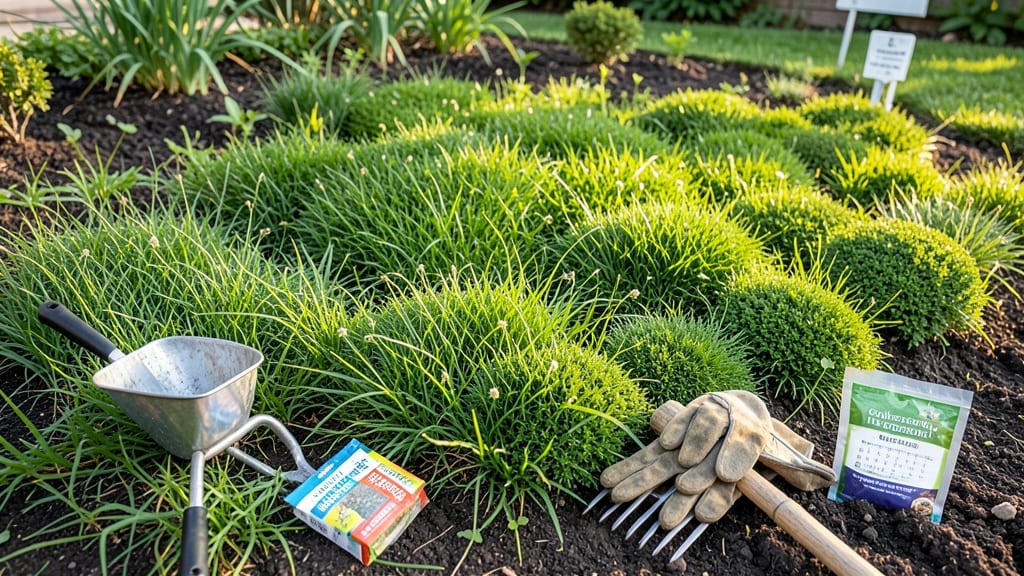
Planting your 🌱 grass seed in Michigan at the wrong time can mean the difference between a lush, green lawn and a patchy disappointment—especially when unpredictable frost sneaks in. The ideal window isn’t just about the calendar; it’s about soil temperature, frost risk, and your specific USDA zone (5b-6b).
Most Michigan gardeners assume spring is the only safe bet, but fall planting actually gives grass a head start before winter dormancy. The key? Timing it 4-6 weeks before your first frost—whether that’s early September in the north or late October in southern Michigan.
In this guide, I’ll break down the exact deadlines for your zone, soil prep secrets, and how to spot the perfect weather window—so you can avoid the heartbreak of brown patches and start your lawn off right.
Ready to transform your yard into a vibrant green space? Let’s dive into the science-backed timing that works for Michigan’s climate.
Michigan’s ideal grass seed planting windows by USDA zone (with frost risk data)
Michigan’s USDA Zones 4b-6a create unique challenges for grass seed planting, where late spring frosts and early fall freezes can derail your lawn dreams. The key? Planting when soil temps hit 50-65°F and frost risk drops below 10% within 3 days.
Northern Michigan (Zones 4b-5a) has 10-14 fewer frost-free days than southern Michigan (Zone 6a), so timing is everything.
For cool-season grasses like Kentucky bluegrass and tall fescue—Michigan’s top choices—your window is tight. Plant too early, and frost zaps seedlings. Too late, and summer heat stresses new growth. The solution?
Use local frost probability data from the Midwestern Regional Climate Center and adjust for your microclimate (e.g., southern Michigan’s warmer lakeside areas can plant 2-3 weeks earlier than inland zones).
Here’s your zone-specific planting timeline, including soil temp thresholds and frost risk deadlines to avoid the most common mistake: planting when the ground is still too cold.
Notice how Zone 6a’s window opens in March—but don’t rush! Even southern Michigan’s early start requires soil temps above 60°F for germination. Use a soil thermometer (available at local garden centers) to confirm readiness.
Pro tip: Northern Michigan gardeners often get better results with fall planting (September) because cooler temps reduce weed competition and drought stress.
If you’re planting in late spring (May-June), prioritize shade-tolerant varieties like fine fescue, which handle Michigan’s partial shade from mature trees. For full sun lawns, Kentucky bluegrass thrives but needs consistent moisture—a challenge in June’s variable rainfall.
Always check the 7-day forecast before seeding; even a single night below 32°F can kill new seedlings.
For warm-season grasses (like Bermuda or Zoysia), skip Michigan entirely—these need consistent 80°F+ temps to germinate, which our state rarely provides. Stick to cool-season blends for year-round resilience. My personal rule: If you’re planting after June 15, opt for fall seeding instead to avoid summer’s heat and drought.
One more critical detail: Seed depth matters. Cool-season grasses should be ¼-inch deep—any deeper, and they’ll struggle to emerge. Use a seed spreader for even coverage, then lightly rake to ensure soil contact.
Water daily for 10-15 minutes until germination (7–14 days), then taper to 1–1.5 inches per week. Overwatering is just as bad as underwatering—soggy soil suffocates roots.
Local Michigan State University Extension data shows that lawns seeded in early fall (September) outperform spring plantings by 20–30% due to cooler temps and fewer weeds. But if you’re a
How to time your planting for maximum germination: soil prep, weather watch, and seed variety tips
Timing your grass seed planting in Michigan isn’t just about waiting for spring—it’s about understanding your USDA zone, soil temperatures, and weather forecasts. Cool-season grasses like Kentucky bluegrass and tall fescue thrive when soil is between 50-65°F, while warm-season types like Bermuda grass need 70°F+.
Michigan’s late spring frosts (often around May 15) can wipe out new seedlings, so planning ahead is critical.
Start by testing your soil moisture and pH levels (ideal range: 6.0-7.0). Use a soil thermometer to confirm temperatures—cool-season grasses germinate best when soil is consistently 50°F+ for 5+ days.
If your area still faces frost risks after planting, opt for fall planting (late August to early October) when cooler temps and consistent rainfall boost success rates.
🌱 Critical Steps for Timing Grass Seed Planting in Michigan
- 1. Check 3-Day Forecast: Avoid planting if frost or heavy rain is predicted within 48 hours. Use NOAA’s Michigan frost maps for zone-specific alerts.
- 2. Soil Temperature Test: Cool-season grasses need 50-65°F soil. Warm-season types require 70°F+. Use a soil thermometer at 2-inch depth.
- 3. Seed Variety Match: Cool-season (Kentucky bluegrass, fescue) = spring/fall. Warm-season (Bermuda, Zoysia) = late spring (after May 15).
- 4. Prep Soil 1-2 Weeks Early: Loosen top 4 inches of soil, remove debris, and add compost for nutrients. Aim for 60% sand texture for drainage.
- 5. Watering Schedule: Keep soil consistently moist (1-1.5 inches/week) for 3-4 weeks post-planting. Use a sprinkler in the morning to prevent fungal growth.
One of the biggest mistakes Michigan gardeners make is planting too early in spring, only to have seedlings killed by late frosts. For example, in USDA Zone 4b (northern Michigan), wait until May 20 or later—after the average last frost date.
In Zone 6a (southern Michigan), you can start as early as April 15, but always verify with your local extension office for microclimate adjustments.
If you’re torn between spring vs. fall planting, consider this: Fall planting (late August to early October) often yields 25% stronger germination because cooler temps reduce weed competition and drought stress.
However, if you plant in fall, choose drought-resistant varieties like tall fescue or fine fescue, which handle early winter drying better than Kentucky bluegrass.
Pro tip: Use a seed starter fertilizer (high in phosphorus) to jumpstart root growth. Apply it 2-3 days before planting and lightly rake it into the top ¼ inch of soil.
This gives seedlings the nutrient boost they need to outcompete weeds during their critical first 3 weeks of growth.
Finally, monitor your lawn’s progress closely. If you see yellowing blades or stunted growth within 10 days, it could signal overwatering, poor drainage, or seed depth issues (seeds buried too deep won’t sprout).
Adjust your watering schedule to morning-only applications and consider aerating compacted soil to improve root penetration.