
Flowers
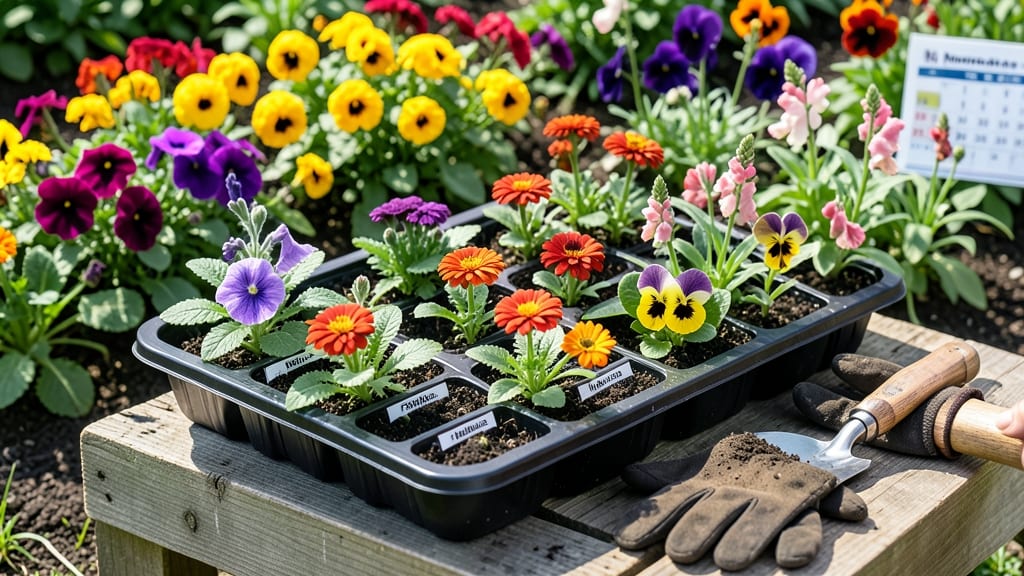
Planting your 🌸 flowers at the wrong time in Michigan can mean the difference between a vibrant garden and a sad, frost-nipped disappointment. The key to success? Knowing exactly when to get those seeds or seedlings in the ground—whether you're in colder Zone 5 or slightly milder Zone 6.
Most Michigan gardeners wait until late April or early May to plant their spring-blooming flowers, but that timing shifts depending on your last frost date. Meanwhile, fall planting offers a second chance for perennials and hardy annuals, giving them time to establish roots before winter arrives.
In this guide, I’ll break down the perfect planting windows for Michigan’s climate, so you can avoid common mistakes and get your garden blooming beautifully. Let’s make sure your flowers thrive—not just survive!
From choosing cold-hardy varieties to adjusting for unpredictable weather, you’ll learn everything you need to know to time your plantings like a pro. Ready to grow a garden you’ll love?
Michigan last frost dates by Zone: when to plant flowers safely
Michigan’s hardiness zones 4a-6b create big differences in last frost dates, which directly impacts when you can safely plant flowers without frost damage.
In colder Zone 4a, gardeners often wait until mid-May for warm-season annuals, while Zone 6b gardeners might start planting tender perennials in early April. Knowing your zone helps avoid frost-killed blooms or wasted time waiting too long.
For annual flowers, timing matters most—plant too early and a late frost will fry your seedlings. Perennials and bulbs have more flexibility since many can handle light frosts after establishment. Cold-hardy varieties like pansies, snapdragons, and calendulas can often go in as early as March in Zone 6b, while tender annuals like petunias and marigolds need to wait until after mid-May in Zone 4a.
🌱
In Zone 4a, where frosts linger into mid-May, I always start with cold-hardy annuals like pansies and snapdragons in early May, then add heat-loving flowers like marigolds and zinnias after Memorial Day.
For perennials, I divide and transplant in early spring (April) when soil is workable but not soggy.
Gardeners in Zone 6b have more flexibility—they can plant tender annuals like impatiens as early as mid-April under frost cloth, or risk a late frost. I often direct-sow seeds for cosmos and sunflowers in early May, as they handle cooler soil better than transplants. Bulbs
How to adjust flower planting for Michigan’s unpredictable weather
Michigan’s weather can be as fickle as a spring shower—one day it’s warm enough to plant, the next a surprise frost hits. That’s why I’ve learned to adapt my planting schedule instead of relying solely on average frost dates.
The key is extending your growing season with smart strategies that protect tender blooms while maximizing Michigan’s short but sweet summer.
Start by choosing cold-hardy varieties like pansies, snapdragons, and sweet alyssum—these thrive in cooler temperatures and can handle light frosts. For heat-sensitive flowers like petunias or marigolds, I wait until mid-May in northern zones (4a-5a) and early May in southern zones (5b-6b).
But even then, I keep frost cloth handy just in case!
⚠️ WARNING: Michigan’s Frost Dates Aren’t Set in Stone Michigan’s average last frost dates range from mid-April in southern zones (6a) to late May in northern zones (4a), but these are just guidelines. A late frost in May or an early one in September can still catch gardeners off guard. To calculate a safer planting window, I add 2–3 weeks to the average last frost date for tender annuals. For hardy perennials, I often plant as early as early April under frost protection—just cover them if temperatures dip below 28°F.
For fall planting, I reverse the strategy. Instead of waiting until September, I start late August in northern zones and early September in southern zones. This gives flowers time to establish roots before winter sets in. I also mulch heavily with straw or leaves to insulate roots from early frosts. Pro tip: Avoid planting tender perennials like geraniums or salvias after mid-August—they won’t have enough time to harden off before winter.
Frost blankets and row covers are my secret weapons for extending the season. I use them to protect seedlings during late springs or early falls, and they work wonders for warm-season flowers like tomatoes and peppers (yes, even though they’re veggies, they’re often planted alongside flowers!). For delicate blooms, I opt for lightweight frost cloth that lets sunlight through while trapping heat. Just remember to remove it during the day if temperatures rise above 70°F to avoid overheating.
Another trick I swear by is staggered planting. Instead of planting all my annuals at once, I space them out every 2–3 weeks. This ensures a continuous bloom from early summer to fall, even if Mother Nature throws a curveball.
For example, I’ll plant cosmos in early May, zinnias in late May, and sunflowers in June. This way, if one batch gets nipped by frost, the others carry on!
Finally, monitor your local microclimate. A south-facing slope warms up faster than a north-facing garden bed, and a low-lying area might frost over while higher ground stays safe.
I keep a garden journal to track when my specific location actually warms up—this helps me fine-tune my planting schedule year after year. If you’re new to gardening, start small with hardy flowers and gradually expand as you learn your land’s quirks. 🌱