
Plants
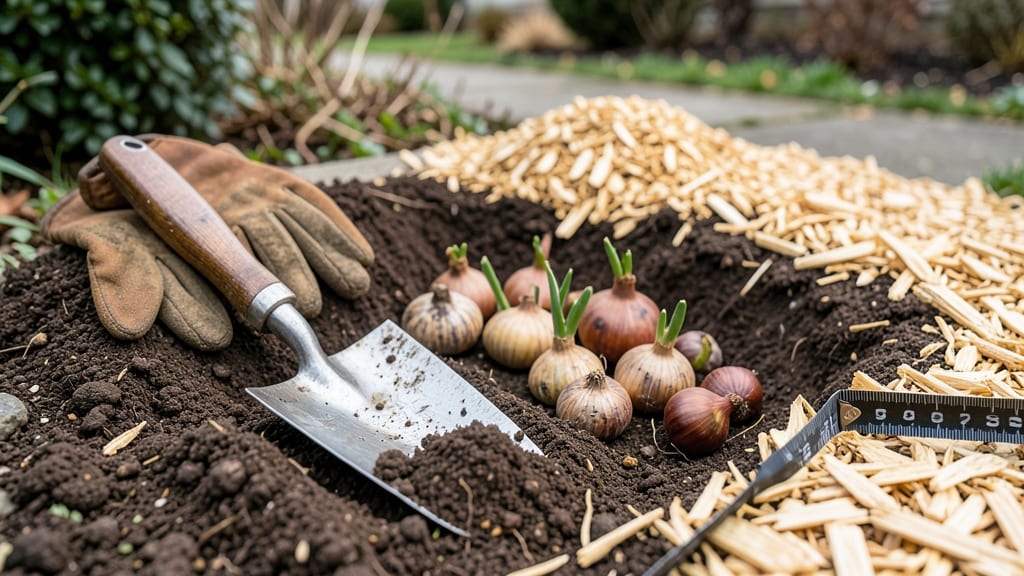
Planting tulips in Oklahoma might seem like a gamble—after all, those unpredictable winters can throw off even the best-laid garden plans. But with the right timing, your 🌷 tulips will reward you with vibrant blooms that brighten up spring in USDA Zones 6b-7a.
The key? Getting those bulbs into the ground between September and November, when the soil is cool but still workable.
Why does timing matter so much? Tulips need a period of cold dormancy to bloom properly, and Oklahoma’s variable climate means you’ve got to be strategic. Plant too early, and your bulbs might sprout before winter sets in; too late, and they won’t establish strong roots before the ground freezes.
I’ll break down the exact window for your specific zone, so you can avoid common pitfalls and set your garden up for success.
You might be wondering if spring planting is even an option in Oklahoma. Spoiler: it’s not ideal, but I’ll explain why—and what you can do if you missed the fall window.
Whether you’re in the cooler panhandle or the warmer southeast, these zone-specific tips will help you time your planting perfectly for April-May blooms that steal the show.
Ready to transform your fall garden prep into a spring spectacle? Let’s dive into the best months to plant, soil prep secrets, and how to protect your tulips from Oklahoma’s quirky weather. Your future 🌷 tulip display starts now!
Best planting months for tulips in Oklahoma by hardiness Zone
Oklahoma’s USDA Hardiness Zones 6b-8a create unique challenges for tulip planting, where soil temperatures and frost dates vary dramatically. Unlike northern states with predictable winters, Oklahoma’s panhandle (Zone 8a) can experience mild winters, while northeastern Oklahoma (Zone 6b) faces harsh freezes.
Planting at the right time ensures your tulip bulbs establish strong roots before winter dormancy.
In Oklahoma, the ideal planting window is 4-6 weeks before your average first frost date. This timing allows bulbs to root deeply before the ground freezes, giving them the best chance to survive winter and bloom spectacularly in spring.
Missing this window can result in weak growth or even bulb rot if planted too late.
Here’s a zone-by-zone breakdown of the best months to plant tulips in Oklahoma, including soil temperature guidelines and frost risk considerations:
For Zone 6b, I recommend planting by early November to ensure bulbs establish roots before the ground freezes. In Zone 7a, you have a bit more flexibility, but aim to finish by mid-November to avoid late-season moisture that can rot bulbs.
Gardeners in Zone 7b can push planting to late November, while those in Zone 8a might even plant in early December if soil temperatures remain mild.
Timing matters because tulip bulbs need cold stratification—a period of consistent cold temperatures (below 40°F or 4°C) to trigger flowering. Planting too early in warmer zones (like Zone 8a) can cause bulbs to sprout prematurely and get damaged by unexpected cold snaps.
Conversely, planting too late in colder zones (like Zone 6b) leaves bulbs vulnerable to freeze-thaw cycles that can weaken them.
If you miss the fall planting window, don’t despair! While spring planting is not ideal for tulips, you can try it in Zone 8a by planting bulbs in February and providing consistent moisture until they bloom.
However, bulbs planted in spring often bloom later or produce fewer flowers compared to fall-planted bulbs. For best results, stick to the fall schedule and choose hardy tulip varieties like 'Darwin Hybrid' or 'Fosteriana', which thrive in Oklahoma’s climate.
Pro tip: Use a soil thermometer to monitor temperatures before planting. Tulip bulbs prefer soil that’s below 60°F (16°C) but not frozen. If your soil is still warm in November, wait a few weeks or plant in a shadier spot to slow bulb growth until temperatures drop.
Finally, remember that Oklahoma’s microclim
How to prepare Oklahoma soil for tulip bulbs before planting
Oklahoma’s clay-heavy soils can be challenging for tulip bulbs, which thrive in loose, well-draining soil. Before planting, preparing your soil properly ensures strong root development and vibrant spring blooms. The key is improving drainage, adding organic matter, and adjusting the pH level to create an ideal environment for your bulbs.
Start by testing your soil’s drainage and pH. Oklahoma’s clay soils often compact easily, trapping moisture around bulbs and causing rot. Aim for a pH between 6.0 and 7.0, which is ideal for tulips.
If your soil is too acidic or alkaline, amendments like lime or sulfur will help balance it before planting season.
Here’s how to prepare your soil in a few simple steps:
Dig a hole 12 inches deep and fill it with water. If it drains in 4 hours or less, your soil is adequate. If not, mix in sand or perlite to improve drainage.
Incorporate 3-4 inches of compost or well-rotted manure into the top 6-8 inches of soil. This improves soil structure and provides nutrients for bulb growth.
Use a soil test kit to check pH. If below 6.0, add pelletized lime. If above 7.0, mix in sulfur or peat moss.
Use a garden fork or tiller to break up compacted clay. Aim for soil that’s crumbly and loose to encourage root penetration.
Apply 2-3 inches of mulch (straw or shredded leaves) to retain moisture and protect bulbs from temperature fluctuations.
Timing is critical for soil prep. Begin amending your soil 4-6 weeks before planting, which in Oklahoma typically falls in late summer to early fall.
This gives the soil time to settle and ensures bulbs have the best possible environment when you plant them in September or October.
For container planting, use a mix of potting soil, perlite, and compost to mimic ideal garden conditions. Avoid heavy garden soil, which can compact and suffocate roots.
If you’re in Zone 8a, where winters are milder, you can extend planting into early November, but soil prep should still start in late summer.
With the right soil preparation, your tulip bulbs will establish strong roots before winter, leading to healthier plants and showier blooms next spring. Don’t overlook this step—it’s the foundation for a successful tulip garden in Oklahoma’s challenging climate! 🌷