
Planting
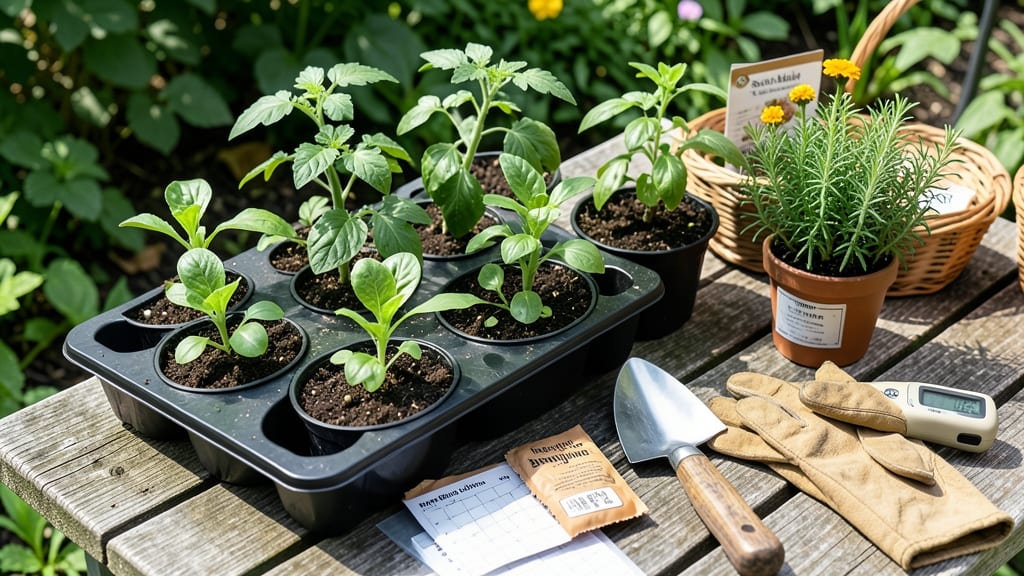
Planting your garden at the wrong time can turn your green thumb into a frustrating guessing game—missed deadlines mean stunted plants or worse, lost investments. The key to success?
Knowing exactly when to plant in your region, down to the month, so you can align your 🌱 General Garden with nature’s rhythm.
For most gardeners in USDA Zone 6a, like me, timing starts with the last frost—typically around April 15—but that’s just the beginning. Whether you’re sowing seeds in March or transplanting in May, the right window makes all the difference between a bumper crop and a sad, wilted disappointment.
I’ve spent years tracking frost dates and soil temperatures, and what I’ve learned is that even a few weeks off can throw off your entire growing season.
That’s why I’m breaking down the exact months to plant by zone, plus how to adjust for microclimates, so you can finally stop second-guessing and start growing with confidence.
Ready to turn your garden dreams into reality? Let’s dive into the science—and the simple tools—so you can plant like a pro, no matter where you live.
USDA Zone planting calendar: exact months to start seeds and transplant by Zone
Getting your planting timeline right is the foundation of a successful garden.
The USDA Plant Hardiness Zone Map divides the U.S. into 11 zones based on average annual minimum temperatures, but planting dates depend on more than just your zone. Last frost dates, soil temperatures, and whether you're growing cool-season or warm-season crops all play critical roles.
Let’s break down the exact months to start seeds indoors and transplant outdoors for each zone.
For example, Zone 3 gardeners should start cool-season crops like spinach and peas in March indoors, while Zone 10 gardeners can direct-sow tomatoes in February.
The key is understanding your local frost patterns and adjusting for microclimates—like urban heat islands or high-altitude gardens—that can shift planting windows by weeks.
| USDA Zone | Cool-Season Crops (Start Indoors) | Warm-Season Crops (Start Indoors) | Transplant Outdoors | Last Frost Date |
|---|---|---|---|---|
| Zones 3-4 | March (indoors) | April-May (indoors) | May-June (after frost) | Mid-May |
| Zones 5-6 | February-March (indoors) | March-April (indoors) | April-May | Late April |
| Zones 7-8 | January-February (indoors) | February-March (indoors) | March-April | Early April |
| Zones 9-10 | October-November (fall) or February (spring) | January-February (indoors) | February-March (direct sow) | None (year-round growing) |
| Zone 11 | Year-round (seasonal rotation) | Year-round (seasonal rotation) | Year-round (direct sow) | None (tropical climate) |
Your last frost date is the most critical factor for determining when to transplant seedlings outdoors. For instance, in Zone 5, you’ll want to wait until after May 15 to plant tomatoes, while in Zone 9, you can start them in February without worrying about frost.
Use the National Oceanic and Atmospheric Administration (NOAA) or local agricultural extension service for precise frost dates in your area.
For cool-season crops like lettuce, kale, and peas, timing is equally important but reversed. These plants thrive in cooler temperatures and can even tolerate light frosts.
In Zone 4, you can direct-sow them as early as April, while in Zone 8, fall plantings in September-October will give you a second harvest before winter sets in.
Don’t forget about soil temperature—it’s just as critical as air temperature. Use a soil thermometer to check that your soil is at least 60°F (15°C) for warm-season crops like peppers and cucumbers. If your soil is too cold, seeds may rot or fail to germinate. In Zone 6
How to use a USDA Zone Calculator to find your perfect planting window
Finding the perfect time to plant your garden isn’t just about guessing—it’s about using science-backed tools like the USDA Zone Calculator. This free resource helps you pinpoint your exact planting window based on your zip code, ensuring your plants thrive from seed to harvest.
Whether you're growing tomatoes in Zone 7 or peppers in Zone 10, the calculator accounts for your local climate, frost dates, and even microclimates like urban heat islands or high-altitude gardens.
Microclimates can drastically alter your planting schedule. For example, a south-facing wall might warm up faster than the surrounding area, allowing you to plant warm-season crops like basil or cucumbers 2-3 weeks earlier.
Conversely, high-altitude gardens in Zone 6 might experience later frost dates than their lower-elevation counterparts. The USDA Zone Calculator adjusts for these nuances, giving you zone-specific recommendations tailored to your unique growing conditions.
Beyond the USDA Zone Calculator, tools like the National Gardening Association’s Planting Date Calculator and Moon Phase Planting guides can further refine your timing.
Moon phases influence soil moisture and seed germination—planting during the waxing moon (when roots grow upward) can boost early growth, while the waning moon is ideal for leafy greens.
Combining these tools with your USDA zone ensures you’re not just planting at the right time, but also optimizing your garden’s potential.
Step-by-Step: Using the USDA Zone Calculator
- Step 1: Visit the USDA Plant Hardiness Zone Interactive Map and enter your zip code or city.
- Step 2: Identify your USDA Zone (e.g., Zone 5a, Zone 8b). This determines your last frost date and ideal planting windows.
- Step 3: Cross-reference your zone with the National Gardening Association’s Planting Date Calculator to find exact months for cool-season (e.g., lettuce, peas) vs. warm-season (e.g., tomatoes, peppers) crops.
-
Step 4: Adjust for microclimates:
- Urban areas: Add 1-2 weeks to warm-season planting due to heat islands.
- High-altitude: Subtract 1-3 weeks from frost dates.
- Coastal regions: Extend fall planting by 4-6 weeks due to milder winters.
- Step 5: Use a Moon Phase Planting calendar to align your planting with the waxing moon for roots or waning moon for leaves.
- Step 6: Mark your planting window on a calendar and set reminders for soil prep, seed starting, and transplanting.
Once you’ve determined your planting window, don’t overlook the importance of soil temperature. Most seeds need soil to reach at least 60°F (15°C) for warm-season crops and 40°F (4°C) for cool-season varieties. Use a soil thermometer to confirm readiness—planting too early can stunt growth or invite pests like aphids.
For example, in Zone 6a, warm-season crops like squash should wait until late May, even if frost dates suggest earlier planting.
Pro tip: Bookmark the National Gardening Association’s Planting Date Calculator for quick reference. It automatically adjusts for your location and provides week-by-week planting guides for vegetables, flowers, and herbs. Pair this with a gardening journal to track your success—note which plants thrived, which struggled, and how microclimates affected your garden.
Over time, you’ll fine-tune your planting window to perfection, even accounting for unpredictable weather patterns.
Remember, the key to a successful garden lies in precision planting. Whether you’re a beginner or a seasoned gardener, leveraging the USDA Zone Calculator and adjusting for your unique microclimate will give your plants the best possible start. Happy planting! 🌱