
Plants
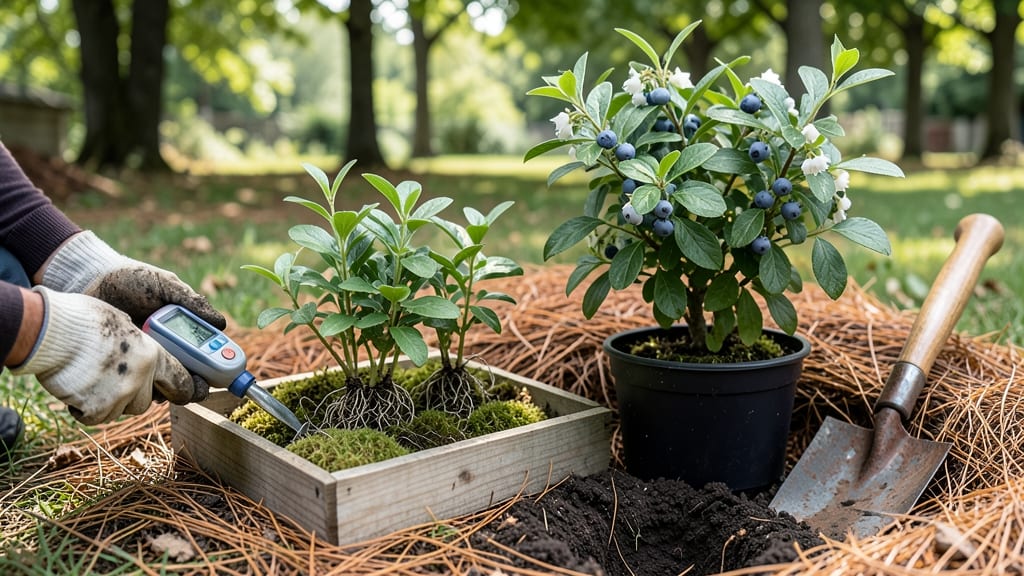
Planting blueberries in Minnesota isn't just about timing—it's about giving your 🫐 bushes the best shot at thriving through brutal winters and short growing seasons.
If you get the timing wrong, your bushes might struggle to establish roots before the first frost hits, leaving you with stunted growth or even worse, no harvest at all.
But when you nail the window—whether it's early spring or early fall—you set the stage for years of sweet, juicy berries.
I’ve tested the best methods for Minnesota’s USDA Zones 3-5, and what works here is different from what you’ll find in warmer climates. From soil prep to variety selection, I’ll walk you through every step to make sure your blueberries take root strong and grow like crazy.
Ready to turn your yard into a blueberry powerhouse? Let’s dive into the exact months and tips that’ll have your bushes flourishing—no matter where you are in the state.
Best planting months for blueberries in Minnesota by hardiness Zone (3-5)
Timing is everything when planting blueberries in Minnesota. The short growing season and frost risks mean you must plant at the right moment to give roots time to establish before winter.
In Zone 3, aim for April to early May, while Zones 4-5 can wait until May to early June. These windows balance soil warmth and frost-free conditions for optimal success.
Blueberries thrive when planted in cool but thawed soil—ideally between 40°F and 50°F. This temperature range ensures roots can spread without the stress of late frosts or heatwaves.
In Minnesota, soil temperatures typically hit this sweet spot in late April to early June, depending on your zone.
For bare-root blueberries, early spring planting (before buds swell) gives them a full growing season to acclimate. If you prefer container-grown plants, May to early June works well, as they handle transplant shock better.
Always check your local last frost date—Minnesota’s ranges from mid-April in Zone 5 to late May in Zone 3.
| Zone | Best Planting Window | Soil Temp Threshold | Frost Risk | Root Establishment Goal |
|---|---|---|---|---|
| 3 | April - Early May | 40°F - 45°F | High (late frosts) | 6+ weeks before first frost |
| 4 | Late April - Early June | 45°F - 50°F | Moderate | 8+ weeks before first frost |
| 5 | May - Early June | 50°F - 55°F | Low | 10+ weeks before first frost |
In Zone 3, where winters are longest, prioritize early spring planting (April) to maximize root growth before first frost. Use row covers or mulch to insulate young plants if late frosts linger.
For Zones 4-5, you have slightly more flexibility, but avoid planting after mid-June—new roots won’t harden off before winter.
Always plant blueberries in well-draining, acidic soil (pH 4.5-5.5). Minnesota’s native soils are often alkaline, so amend with peat moss or pine needles 4-6 weeks before planting. This prep ensures your bushes can access nutrients immediately after transplanting, reducing stress during their critical establishment phase.
If you miss the spring window, consider fall planting in September—just ensure roots can harden off before ground freezes. Fall-planted bushes benefit from winter moisture and spring growth without summer heat stress. However, avoid planting after mid-September in Zone 3, as roots may not establish before frost.
For container-grown blueberries, timing is slightly more flexible. Plant in May to early June when soil is warm, but choose larger pots (15+ gallons) to prevent root-binding. Containers also let you move plants to protected microclimates during late frosts, extending your planting window by a few weeks.
After planting, mulch heavily (3-4 inches) with pine straw or wood chips to retain moisture and regulate soil temperature. Water deeply 2-3 times per week for the first month, then taper to weekly deep waterings once established. This routine mimics Minnesota’s natural rainfall patterns while preventing drought stress.
Monitor your blueberry bushes for new growth in spring—healthy leaves indicate successful root establishment. If you planted late, use slow-release fertilizer in early spring to boost growth before the harvest season. With the right timing, your bushes will reward you with juicy berries for decades.
How to prepare Minnesota soil for blueberry planting (acid-loving secrets)
Minnesota’s alkaline soils pose a major challenge for blueberries, which thrive only in acidic conditions (pH 4.5-5.5). Without proper prep, your bushes will suffer from chlorosis (yellowing leaves) and poor fruit production. The key? Mimicking their natural bog habitat with organic amendments and smart mulching techniques.
Start by testing your soil’s pH level using a home kit or lab service. Minnesota’s native soils often register 7.0 or higher, far too alkaline for blueberries. If your reading is above 6.0, you’ll need to lower the pH aggressively before planting.
This isn’t a quick fix—it’s a season-long project that requires patience and persistence.
Use a soil test kit to measure current pH. Minnesota’s soils often test 7.0+. Aim for 4.5-5.5 for blueberries.
Apply elemental sulfur (1-2 lbs per 100 sq ft) 2-3 months before planting. It lowers pH gradually as it breaks down in the soil.
Incorporate peat moss (3 inches deep) and pine bark fines to create acidic growing conditions. Avoid composted leaves, which can raise pH.
Use pine needles or wood chips (4-6 inches deep) to maintain acidity and retain moisture. Avoid straw or grass clippings, which can neutralize soil.
For best results, plant in raised beds filled with a mix of peat moss, pine bark, and sand. This gives you full control over soil acidity and drainage.
After planting, monitor your soil’s pH annually and reapply sulfur or organic amendments as needed. Blueberries are forgiving once established, but they demand consistent acidity to produce sweet, flavorful berries.
Think of this prep work as creating a mini bog garden—your bushes will thank you with years of abundant harvests.
Pro tip: If you’re in Zone 3, focus on early spring planting (April) when the ground thaws but before buds break. For Zones 4-5, early May works best. Either way, mulch immediately after planting to protect roots from Minnesota’s temperature swings.
🌱