
Plants
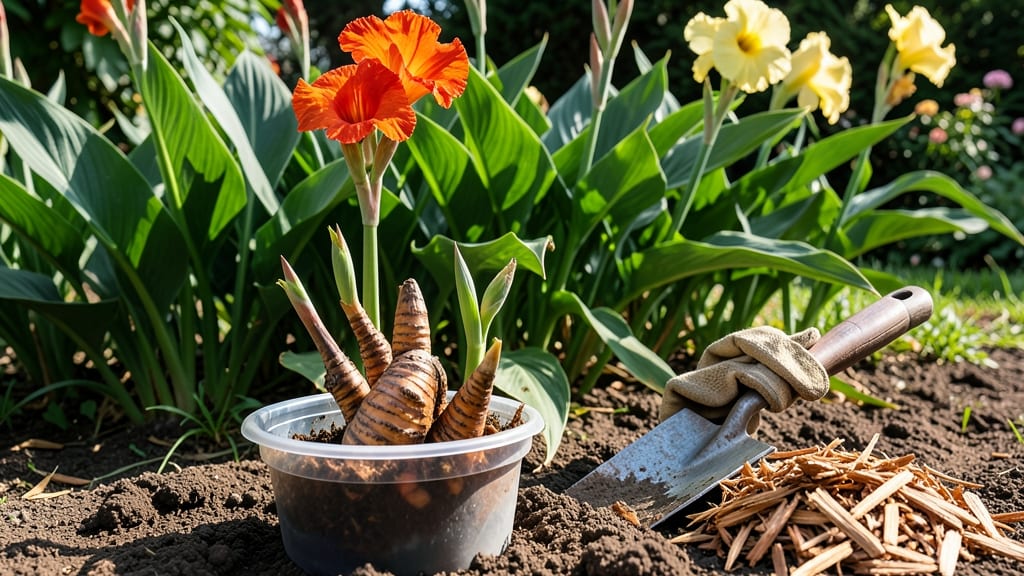
Planting cannas in Oklahoma isn’t just about grabbing a shovel and digging—it’s about timing it perfectly to avoid frost’s wrath and maximize those stunning 🌺 blooms before summer’s peak.
With Oklahoma’s 6b-7a climate, you’ve got just a 6-week window between last frost (March 15) and when soil warms to 60°F—and missing it means watching your cannas struggle or worse, die back before they even take off.
I’ve seen gardeners in Oklahoma pull out their hair over cannas that sprouted too early, only to get nipped by late frosts, or planted too late, missing the August-October showstopper season. The key? Planting between April 15 and May 31—after the ground thaws but before the heat locks in.
But here’s the catch: your exact timing depends on whether you’re in a sheltered microclimate or a frost-prone corner of the state.
In this guide, I’ll break down the heat zone map for Oklahoma cannas, so you know whether to plant by April 15 (for early bloomers) or wait until late May (for late frost zones).
You’ll also learn how to prep your soil, spot the signs of readiness, and even extend your canna season with containers or mulch—because in Oklahoma, every extra day of color counts.
Ready to turn your yard into a 🌺 paradise without the guesswork? Let’s get those rhizomes in the ground at the perfect moment—before the next freeze sneaks up on you.
Oklahoma’s heat zones: the exact weeks to plant cannas for frost-free growth
Oklahoma’s USDA Hardiness Zones 6b, 7a, and 7b create distinct planting windows for cannas (Canna spp.), where timing directly impacts frost survival and bloom potential. Unlike hardy perennials, cannas thrive as tender perennials—they’ll die back in frost but return if you overwinter their tubers properly.
The key? Planting after your last average frost date (typically mid-April to early May), but before soil temperatures exceed 85°F in southern zones.
Microclimates add another layer: urban heat islands in Oklahoma City may warm 2-3°F faster than rural areas, while elevated gardens in Tulsa can experience earlier frosts. Use Oklahoma State University’s heat zone maps to pinpoint your 10-year frost averages—critical for deciding between container gardening (for mobility) or in-ground planting.
🔍 PRO TIP: Check soil temperature with a soil thermometer—cannas won’t sprout until 60°F+. In Zone 6b (e.g., northern Oklahoma), wait until May 1 to avoid late frosts, while Zone 7a/b (e.g., Oklahoma City) can plant as early as April 15.
| USDA Zone | Last Frost Date (Avg.) | Planting Window | Soil Temp Threshold | Container Hack |
|---|---|---|---|---|
| 6b (Northern OK) | April 15–May 1 | May 1–May 15 | 60°F+ (use black plastic mulch) | Plant in 5-gallon pots; move indoors Oct 15 |
| 7a (Central OK) | April 1–April 15 | April 15–May 1 | 58°F+ (warmer microclimates) | Use fabric pots for root aeration |
| 7b (Southern OK) | March 20–April 1 | April 1–April 15 | 55°F+ (earlier sprouting) | Add perlite to soil for drainage |
For in-ground planting, amend Oklahoma’s clay-heavy soil with compost and sand to improve drainage—cannas hate soggy roots. In containers, use a mix of potting soil, perlite, and coconut coir for aeration. Black plastic mulch raises soil temps by 5–8°F, accelerating growth in cooler zones.
Miss the in-ground window? Container cannas let you plant 2–4 weeks earlier by moving pots indoors before frost. Place them near a south-facing window or under grow lights for 12+ hours of light daily. This trick extends your bloom season by 6–8 weeks in Zone 6b.
Watch for false springs—Oklahoma’s March warm spells can fool you into planting too early. Use the 50°F nighttime rule: Wait until low temps stay above 50°F for 3 nights before planting. Signs it’s safe? Daffodils bloom and redbud trees leaf out.
In Zone 7a/b, cannas can often overwinter outdoors if mulched heavily with straw or leaves (add 6–8 inches after first frost). However, Zone 6b gardeners should dig up tubers by November 1, store them in dry peat moss at 45–50°F, and replant next spring.
Protect young cannas from late spring frosts (common in northern Oklahoma) with frost cloth or row covers. Remove covers by 10 AM to avoid overheating. Morning watering (before 9 AM) also helps prevent frost damage by keeping foliage hydrated.
Track your local frost dates using the Oklahoma Mesonet or OSU Extension’s frost maps. Adjust planting dates 1–2 weeks later if your area trends colder. With these heat zone strategies, your cannas will burst into tropical blooms from July to October—no frost casualties! 🌺
Signs your Oklahoma soil is ready for cannas (and how to fix common mistakes)
Oklahoma’s red clay soil and sandy loam can be tricky for cannas, which thrive in well-draining, nutrient-rich conditions. Before planting, check for these three key signs your soil is ready: a soil temperature of 60°F+, proper moisture retention, and good aeration.
Skipping these checks often leads to stunted growth or root rot—common mistakes even experienced gardeners make.
Start by testing your soil temperature with a soil thermometer at a depth of 4 inches. Cannas won’t sprout until the ground reaches 60°F consistently for at least 5 days. In Oklahoma, this typically happens by mid-April in Zone 7a and late April in Zone 6b.
Planting too early in cold soil can stunt root development and leave your cannas vulnerable to spring frost.
⚠️ callout-warning
🚨 Don’t Plant in Cold Soil!
Oklahoma’s unpredictable spring temps can fool you into thinking it’s safe to plant. If your soil is below 60°F, canna rhizomes will rot instead of sprout. Wait until nighttime lows stay above 50°F—check your local Oklahoma Mesonet for real-time soil data.
💡 Pro Tip: Use a black plastic mulch to warm soil faster in cooler microclimates.
Next, assess your soil’s moisture levels. Cannas need consistently moist but not soggy soil. Dig a small hole and fill it with water—if it drains within 30 minutes, your soil is too sandy.
If water pools for hours, you’ve got clay-heavy soil that needs amending. Oklahoma’s red clay is notorious for compacting, so add organic matter like compost or aged manure to improve drainage.
For clay-heavy soil, mix in 2-3 inches of compost or sand (like coarse builder’s sand) to break up compaction. Aim for a loamy texture—think crumbly, like a well-made cake. In sandy loam areas, blend in peat moss or coconut coir to help retain moisture.
Test your amended soil by squeezing a handful: it should hold shape but crumble easily when touched.
One of the biggest mistakes Oklahoma gardeners make is ignoring drainage. Cannas hate waterlogged roots, which can happen in low-lying areas or after heavy rains. If your yard has poor drainage, plant cannas in raised beds or mounds.
Add a 1-inch layer of perlite or vermiculite to planting holes for extra airflow. Always plant on a slight slope to encourage runoff during Oklahoma’s summer downpours.
Finally, give your cannas a nutrient boost before planting. Work in a balanced fertilizer (like 10-10-10) at a rate of 1 tablespoon per plant. For Oklahoma’s clay soil, also add gypsum (calcium sulfate) to improve structure.
Spread a 2-inch layer of mulch (straw or shredded leaves) around plants to retain moisture and regulate soil temperature—critical during Oklahoma’s swinging summer heat.
With these checks complete, your Oklahoma soil will be primed for vibrant canna blooms all summer long. Remember: patience is key—wait for warm soil and amend as needed to avoid the top 3 mistakes that kill cannas in Oklahoma gardens. Happy planting! 🌺