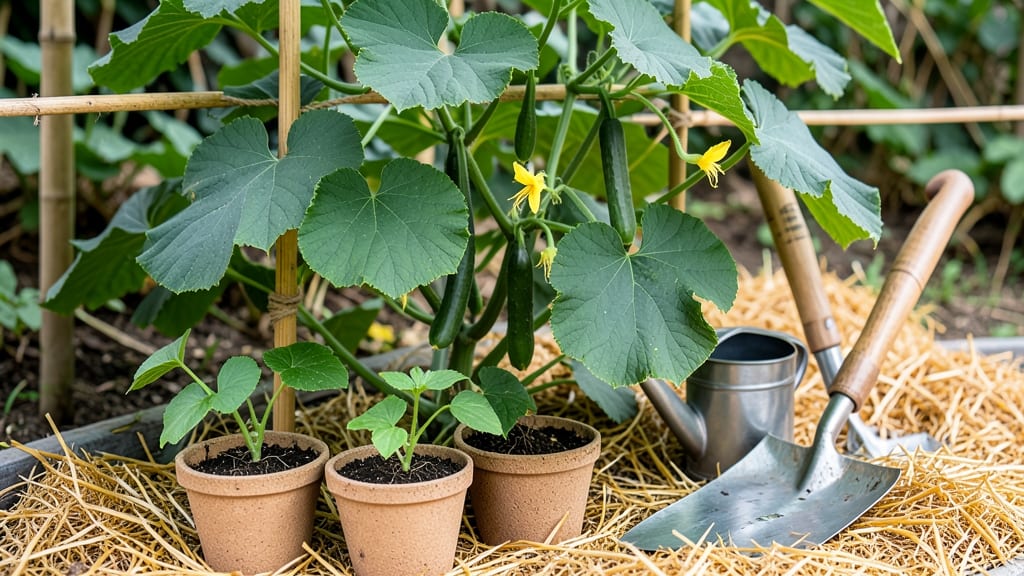
Planting cucumbers in Maine isn’t just about waiting for spring—it’s about catching that narrow window between frost and summer’s fleeting heat. 🥒 With USDA Zone 5b-6b frost dates that can vary by weeks from coastal Cumberland to inland Aroostook, timing is everything to avoid wasted seeds or stunted vines.
Most gardeners aim for mid-May to early June, but that’s only half the battle. Soil temperature matters just as much as calendar dates—cucumbers won’t germinate until it hits at least 60°F, and even then, a late frost can still sneak in.
I’ve learned the hard way that rushing the process leads to disappointment, while waiting too long means missing the prime harvest window.
In this guide, I’ll break down the exact planting windows by county, share tricks to extend your season with row covers or cold frames, and reveal the one mistake nearly every Maine gardener makes when timing their cucumbers.
Whether you’re a first-timer or a veteran grower, these insights will help you turn your garden into a bountiful harvest instead of a lesson in patience.
Ready to grow cucumbers that thrive in Maine’s unpredictable climate? Let’s get started with the county-by-county frost-free dates that will change how you plan your garden this year.
🥒
When to Plant Cucumber
Jan
❄️
Feb
❄️
Mar
🌱
Apr
🌱
May
🥒
Jun
🥒
Jul
🌱
Aug
☀️
Sep
🍂
Oct
🍂
Nov
🍂
Dec
❄️
Maine’s frost-free dates by county: the exact windows to plant cucumbers
Timing cucumber planting in Maine isn’t one-size-fits-all—your county’s last frost date can vary by 2-3 weeks from coast to inland valleys. Coastal areas like York County often see frost-free conditions by mid-May, while inland Aroostook County may wait until late May.
These differences matter because cucumbers (Cucumis sativus) need consistent warmth (soil temps ≥60°F) to thrive. Plant too early, and frost will kill tender seedlings; too late, and your harvest shrinks as summer cools.
Maine spans USDA Zones 3-6, but microclimates create even more variation. Coastal areas benefit from warmer ocean breezes, while inland valleys can experience colder nighttime temperatures.
Always check your local Almanac frost records—historical data shows Androscoggin County averages a last frost on May 20th, while Washington County often warms up by May 10th. For best results, wait until two weeks after your county’s average last frost date.
Here’s your county-by-county planting window for cucumbers, including adjustments for coastal vs. inland growing zones. Use this as a starting point, then verify with your local cooperative extension office for real-time updates.
Remember: Bush varieties (like ‘Bush Champion’) mature faster than vining types (like ‘Straight Eight’), giving you a 2-week buffer if frost threatens.
| County |
Avg. Last Frost |
Planting Window |
Coastal Adjustment |
Soil Temp Goal |
| Androscoggin |
May 20 |
June 1-15 |
N/A (inland) |
≥60°F |
| Aroostook |
May 28 |
June 15-30 |
N/A (inland) |
≥60°F |
| Cumberland |
May 10 |
May 20-June 5 |
1 week earlier near coast |
≥60°F |
| Franklin |
May 15 |
May 30-June 10 |
N/A (inland) |
≥60°F |
| Hancock |
May 5 |
May 15-30 |
2 weeks earlier near coast |
≥58°F (cooler coastal) |
| Kennebec |
May 12 |
May 25-June 5 |
1 week earlier near coast |
≥60°F |
| Knox |
May 3 |
How to extend your cucumber growing season in Maine’s short summers
Maine’s short growing season can feel like a race against time for cucumber lovers, but with the right strategies, you can harvest crisp cucumbers from June through September. The key lies in protecting tender plants and choosing varieties that thrive in cooler conditions.
Even in USDA Zones 5b-6b, you can stretch your season by 4-6 weeks with simple techniques.
Start by selecting heat-tolerant varieties like ‘Straight Eight’ or ‘Lemon Cucumber’, which produce well even when temperatures dip below 80°F. These varieties also resist common Maine pests like cucumber beetles, giving you one less worry during unpredictable summers. Pair them with succession planting to keep your harvests coming.
🌱 Numbered Highlights: Extend Your Cucumber Season in Maine
- 1. Use row covers in early spring (remove when flowers appear) to protect from late frosts and warm soil faster.
- 2. Install cold frames over seedlings in May to create a 5-10°F warmer microclimate for earlier planting.
- 3. Plant heat-tolerant varieties like ‘Sweet Success’ or ‘Marketmore 76’ for longer harvest windows.
- 4. Succession plant every 2 weeks from late May to early July to stagger ripening.
- 5. Mulch with black plastic to raise soil temps by 2-4°F and suppress weeds.
- 6. Harvest daily in August to encourage new fruit before fall frosts arrive.
For early starts, row covers are your best friend. Install them over seedlings in late April or early May to protect against late spring frosts (common in inland areas like Aroostook County).
Remove covers when flowers appear to allow pollination—hand-pollinate if needed by gently shaking plants. Pair this with black plastic mulch, which can raise soil temperatures by 5-10°F and speed up germination.
Succession planting is another game-changer. Instead of planting all your cucumbers at once, sow new seeds every 2 weeks from late May through early July. This ensures a continuous harvest and reduces the risk of losing everything to a single late frost.
Choose bush varieties like ‘Bush Champion’ for smaller gardens—they take up less space but produce just as much.
Don’t overlook container growing if your yard is limited. 5-gallon pots work well for bush varieties, and you can move them to sunniest spots or even greenhouses as temperatures drop. Just ensure pots have drainage holes and use lightweight potting mix to prevent root rot in Maine’s damp summers.
When August arrives, harvest aggressively to keep plants producing. Cucumbers left on the vine turn bitter and stop new growth. Store extras in a cool, dark basement (not the fridge) to extend their shelf life until you’re ready to use them.
With these strategies, you’ll enjoy fresh cucumbers for weeks longer than your neighbors.
★★★★★4.6(1 review)
|