Plants
Best planting months for dill in Southern California’s climate zones
Southern California’s mild winters and hot summers create unique challenges for growing dill—especially avoiding premature bolting. Unlike northern climates, we don’t have to worry about frost, but heat stress and overcrowding can send your plants shooting up seeds before you harvest a single leaf.
The key? Timing your plantings to align with cooler months and using microclimate strategies for coastal vs. inland areas.
Coastal regions like Santa Barbara and San Diego enjoy moderate temperatures year-round, while inland valleys such as San Bernardino and Riverside experience hotter summers and cooler winters.
This means your optimal planting windows will vary slightly—coastal gardeners can plant almost year-round, while inland gardeners should focus on fall and winter to avoid summer bolting.
Here’s the critical breakdown of when to plant dill in Southern California, including heat tolerance thresholds and first frost dates (or lack thereof). The summary-table below will help you visualize the best months for your specific microclimate.
Notice how coastal areas have a wider window for planting dill, while inland valleys must focus on cooler months. The heat threshold of 85–95°F is your red flag—once temperatures consistently exceed this, your dill will bolt within weeks.
For example, in Los Angeles, you can plant dill in June with shade cloth, but in Palm Springs, June is a no-go unless you’re using containers.
Another critical factor is soil temperature. Dill seeds germinate best when soil is between 60–75°F. Inland areas often see soil temperatures exceeding 80°F by May, which can delay germination or trigger bolting.
To test your soil, use a soil thermometer—plant only when temps are in the ideal range.
For coastal gardeners, the best months are January through May and September through November. This aligns with cooler, wetter periods that mimic dill’s native Mediterranean climate. In San Diego, for example, planting in March gives you a 60-day harvest window before summer heat sets in.
Meanwhile, inland gardeners should prioritize fall plantings—sowing seeds in October ensures a winter harvest before spring temperatures rise.
Pro tip: If you’re determined to grow dill in summer, use 50% shade cloth to keep soil temps below 85°F. I’ve had success
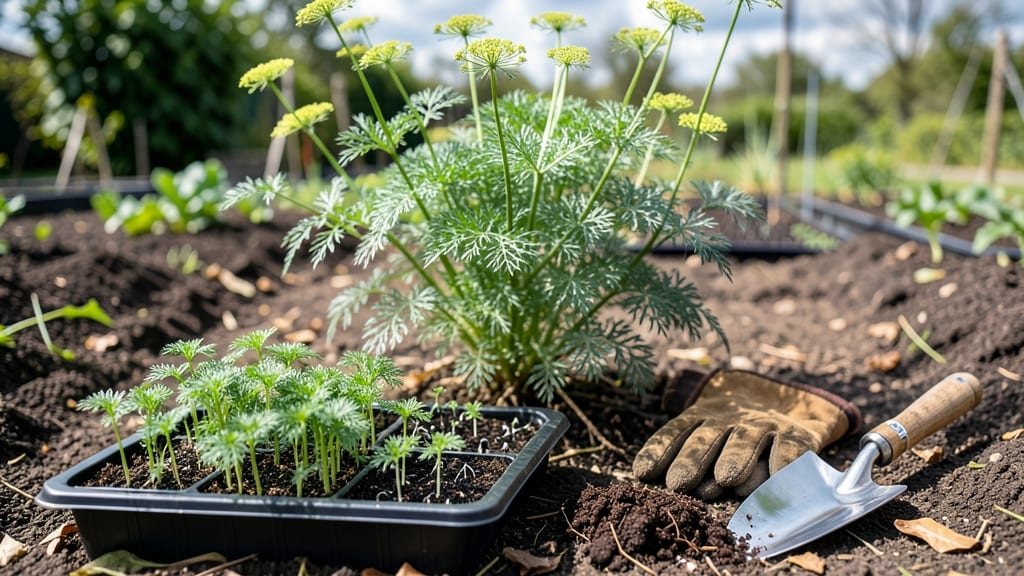
How to extend your dill harvest using successive planting strategies
If you’ve ever watched your dill bolt into flower before you could harvest a single leaf, you know the disappointment of a failed crop. The secret to a steady supply of fresh dill in Southern California isn’t just planting once—it’s planting repeatedly.
By staggering your plantings every 2-3 weeks, you’ll enjoy tender leaves from early spring through late fall without gaps. This method works especially well in our frost-free climate, where dill can grow year-round with the right timing.
Here’s the game plan: Start your first batch in late winter (around February) when soil temperatures are cool but warming. Then, every 2-3 weeks, sow another round until mid-summer.
This ensures you’re always harvesting young, flavorful leaves while older plants bolt naturally. The key is avoiding the hottest months (July-August), when dill tends to bolt prematurely.
- 🌱 February 15: First planting for spring harvest
- 🌿 March 15: Second batch for early summer
- 🌞 April 15: Third planting for late summer
- 🌧 May 15: Final batch for fall harvest
💡 Pro Tip: Use shade cloth (30-50%) during peak summer heat to delay bolting in later plantings.
Each successive planting should be spaced 12-18 inches apart to give roots room to spread. Since dill is a cool-season crop, focus on fall plantings if you live in hot inland areas like the Inland Empire.
Coastal regions can push it into early summer, but always monitor for heat stress signs like yellowing leaves or early flowering.
To maximize your harvest, pair your dill with companion plants like cucumbers or lettuce, which thrive in the same conditions. This not only saves space but also deters pests that might target your dill.
Remember, dill seeds germinate best in 60-70°F soil, so avoid planting when temperatures dip below 50°F—even in SoCal’s mild winters.
By following this schedule, you’ll have fresh dill ready for pickling, soups, or garnishes year-round. The first harvest will come in about 60 days, and each subsequent batch will follow the same timeline. With this method, you’ll never again run out of this versatile herb mid-recipe! 🌿