
Planting
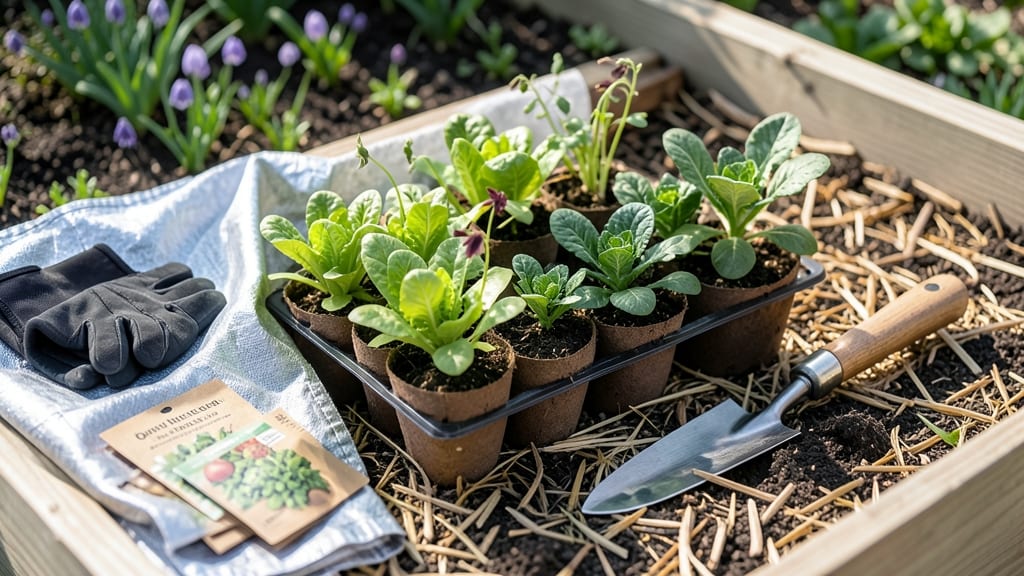
Timing your garden planting in Maine isn’t just about the calendar—it’s about beating the frost before it beats you. With average last frost dates ranging from early May in coastal areas to mid-June inland, one wrong move could mean wilted seedlings or missed harvests.
The key? Knowing your zone and when to start seeds indoors or plant directly in the soil for a thriving 🌱 garden.
Most Maine gardeners swear by the two-week rule: plant cool-season crops like spinach and peas as soon as the soil is workable, while warm-season favorites (think tomatoes and peppers) need to wait until after the last frost—usually late May to early June.
But here’s the catch: coastal regions like Portland can plant earlier than inland spots like Bangor, where colder nights linger longer.
Whether you’re a first-time gardener or a seasoned pro, getting the timing right means fewer disappointments and more homegrown goodness. I’ll break down the exact frost-free windows for your zone, plus pro tips to stretch your growing season—so you can enjoy fresh veggies from summer straight through fall.
Ready to turn your Maine garden dreams into reality? Let’s dive into the frost-free timeline that’ll have your plants thriving when others are still waiting for spring to arrive.
Maine’s frost dates by Zone: when to plant cool-season vs warm-season crops
Maine’s USDA Zones 4-6 create a delicate balance between cool-season and warm-season crops. The average last frost dates vary dramatically—from late May in coastal areas (Zone 6) to early June inland (Zone 4). Understanding these windows ensures your spinach, kale, and tomatoes thrive without frost damage.
For Zone 4 (northern Maine), the last frost typically hits around May 20-30, while Zone 6 (southern Maine) enjoys frost-free soil by May 10-20. Microclimates—like sheltered valleys or coastal areas—can shift these dates by 1-2 weeks, so always check local records or use a frost-free calculator.
Here’s your zone-by-zone planting guide, including adjustments for elevation and microclimates:
For cool-season crops like kale and spinach, start seeds 4-6 weeks before your last frost date. These hardy greens tolerate light frosts and can even thrive in fall plantings until early October.
In Zone 4, aim for an early April start under row covers or a cold frame.
Warm-season crops—like tomatoes and peppers—demand patience. Soil temperatures must reach at least 50°F before transplanting, which often means waiting until late May or June in northern zones. Use a soil thermometer to avoid false starts.
In Zone 6, you can push the envelope with early May plantings if you use black plastic mulch to warm the soil faster.
Microclimates play a huge role in Maine. Coastal areas in Zone 6 may see frost-free soil 2 weeks earlier than inland spots, while higher elevations (like the White Mountains) can delay frost dates by 1-3 weeks. Observe your yard’s patterns for 3+ years to refine your schedule.
Don’t forget fall planting! Cool-season crops like radishes and turnips can be sown as late as mid-August in most zones, with harvests before the first frost. In Zone 4, aim for a September 15 deadline for reliable results. Use lightweight row covers to extend harvests into October.
Pro tip: Track your garden’s progress with a planting journal. Note when frost hits, how long crops take to mature, and which varieties perform best in your zone. Over time, you’ll create a customized planting calendar tailored to your Maine microclimate.
With these zone-specific guidelines, you’ll maximize your garden’s potential—whether you’re growing frost-hardy greens or heat-loving tomatoes. Happy planting! 🌱
How to extend your Maine gardening season: cold frames, row covers, and succession planting
Maine’s short growing season doesn’t mean you’re limited to a few weeks of harvests. With the right tools and strategies, you can extend your garden’s productivity by weeks—or even months.
I’ve tested these methods in my own Zone 5 garden, and they’ve transformed my yields dramatically. The key is combining season-extending structures with smart planting techniques.
Cold frames and row covers create microclimates that protect tender plants from late spring frosts and early fall chills. Meanwhile, succession planting ensures a continuous supply of fresh produce.
Together, these methods let you grow tomatoes in May and kale through October. Let’s break down the most effective approaches and their cost-benefit tradeoffs.
Season-Extending Tools: Pros & Cons
| Tool | Pros | Cons | Cost (Est.) |
|---|---|---|---|
| Cold Frame | Extends season 4-6 weeks each side, hardy to -20°F | Requires daily venting to prevent overheating | $50-$200 |
| Row Cover (Frost Blanket) | Lightweight, protects down to 28°F, reusable for years | Needs stakes or hoops for support; can trap too much heat | $20-$50 |
| Low Tunnel | Warms soil 5-10°F faster than cold frames, great for early starts | More labor-intensive to assemble; limited headspace | $30-$100 |
| Succession Planting | Maximizes harvest continuity with no extra tools | Requires careful planning and record-keeping | $0 (seeds only) |
*Costs based on DIY materials and small-scale garden use. Prices vary by brand and size.
For early spring planting, I swear by my cold frame—it lets me start spinach and lettuce in early April, often 3-4 weeks before the last frost date. The secret?
Use it as a soil warmer first: fill it with black plastic or cardboard to absorb sunlight and raise soil temps. Once your seeds are ready to sprout, remove the cover and let the frame protect young plants.
Row covers are my go-to for late fall harvests.
I’ve kept bush beans and zucchini producing until Thanksgiving by draping them with floating row cover whenever nighttime temps dip below 35°F. The key is securing the edges tightly—even a small gap can let in enough cold air to damage plants.
For extra insulation, add a layer of straw mulch around the base.
Don’t overlook succession planting, the most budget-friendly way to extend your season. Instead of planting all your lettuce or radishes at once, stagger them every 2 weeks. This ensures you’re always harvesting fresh produce while avoiding the bolting that happens when heat waves strike.
Pro tip: Use a planting calendar to track varieties with different maturity dates—like pairing fast radishes (30 days) with slow carrots (70 days).
My biggest lesson? Combine methods for maximum results. For example, use a row cover over a cold frame to create a double-insulated microclimate that can handle -10°F nights.
Or plant cool-season crops in succession inside your cold frame for a year-round harvest of greens. The initial investment pays off in longer harvests and fewer store-bought veggies.
Start small if you’re new to season extension. A single 10x20-inch cold frame or a 50-square-foot row cover can make a huge difference in your Maine garden’s productivity. And remember: the earlier you start, the more you’ll gain.
My first cold frame paid for itself in one summer’s worth of extended harvests—now I couldn’t imagine gardening without it! 🌱