
Plants
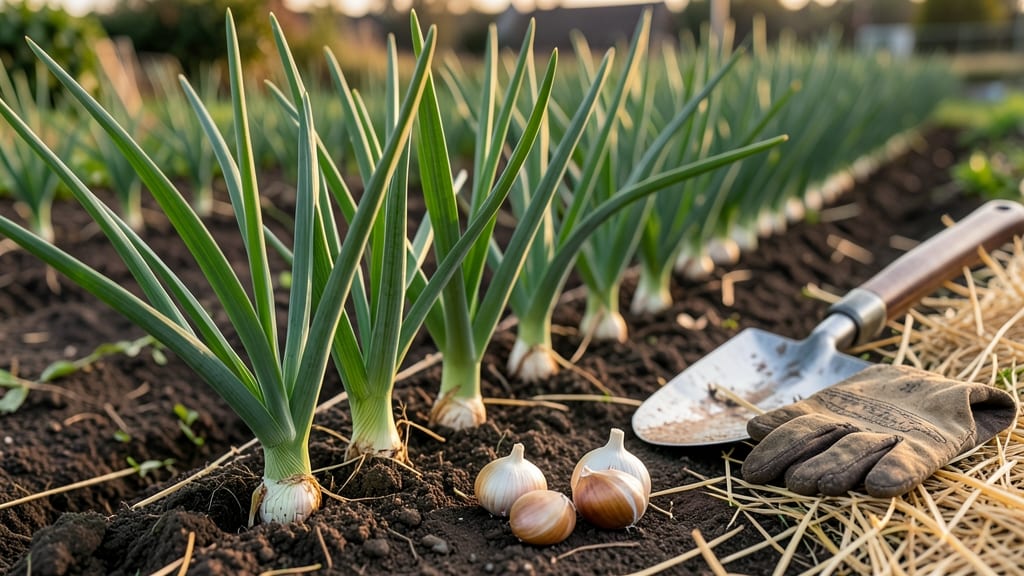
Planting your 🧄 garlic in Ohio’s Zone 6 climate isn’t just about timing—it’s about understanding how those crisp fall days and unpredictable frosts shape your harvest.
Too early, and you’ll end up with weak bulbs; too late, and you might miss the sweet spot for strong roots before winter sets in.
I’ve learned the hard way that the 6-week window before your last frost—typically late October to early November—is your golden opportunity. This isn’t just guesswork; it’s about giving your garlic the cold it craves to form those plump, flavorful cloves we all love.
In this guide, I’ll break down exactly when to plant for Ohio’s Zone 6 conditions, including soil prep tricks and how to adjust if your frost comes early. No more second-guessing—just a clear, actionable plan to grow garlic that rivals the grocery store (or better).
Ready to dig in? Let’s get those cloves in the ground the right way.
Ohio Zone 6 garlic planting calendar: exact weeks before last frost for bulb formation
Ohio’s Zone 6 climate demands precision when planting garlic—miss the window, and you risk small bulbs or bolting. The key is timing: garlic needs 4-6 weeks of cold (32–40°F) to form strong bulbs, but planting too early triggers premature growth.
For Ohio, this means fall planting between October 15 and November 15, adjusted for your last frost date.
Your last frost date (typically November 15 in Zone 6) is your anchor. Plant garlic 4-6 weeks before that date to ensure roots establish before winter dormancy. For example, if your frost hits November 20, aim for planting by October 10.
This cold period is non-negotiable—garlic requires vernalization (cold exposure) to develop properly.
Here’s the critical timeline for Ohio gardeners: start planting mid-October for a late-November frost, or shift to early November if frost arrives early.
Spring planting is possible but risky—only attempt it if you can provide artificial chilling (e.g., refrigeration) for 6 weeks before transplanting in February or March.
Garlic’s bulb formation begins after the spring thaw, but the foundation is set during winter. Soil temps below 40°F trigger root growth, while temps above 50°F can cause bolting. Ohio’s January and February are ideal for this cold exposure—plan your planting to align with these months.
Adjust your planting date based on local frost history. Check your county’s USDA frost records—some Ohio areas experience frost as early as October 20, while others hold off until November 25.
For example, if your area’s average last frost is November 5, plant by October 5 to ensure enough cold exposure.
Garlic planted in late November may not get sufficient cold, leading to poor bulb formation. If you’re unsure about your frost date, err on the earlier side. Overwintered garlic will still produce edible cloves, but bulbs won’t be as large or flavorful.
For hardneck varieties (like Music or German Red), this timing is critical—they need cold to form scape shoots and robust bulbs.
Spring planting in Ohio is not ideal unless you’re using softneck varieties (like Silverskin) and can provide 6 weeks of chilling. Even then, bulbs will be smaller and less flavorful.
If you must try spring planting, chill garlic cloves in the fridge for 6 weeks before transplanting in February. Cover with mulch or row fabric to protect from late frosts.
After planting, mulch with straw (4
How to choose and prepare garlic for Ohio’s climate: varieties, soil, and planting depth
Ohio’s Zone 6 climate demands careful selection of garlic varieties and precise soil preparation to thrive. Hardneck varieties like ‘Music’ or ‘German Red’ excel here, producing flavorful bulbs with scapes, while softneck types like ‘Silverskin’ store longer but struggle in cold winters.
The key lies in soil pH (6.0–7.0) and organic matter—both critical for bulb formation.
Proper planting depth (2 inches) and spacing (6 inches apart) prevent overcrowding, a common mistake that leads to small, weak bulbs. Ohio’s unpredictable frost dates mean timing your planting 4–6 weeks before the ground freezes is non-negotiable. Let’s break down the essentials to set your garlic up for success.
⏰ When to Plant Garlic in Ohio (Zone 6)
✅ DO
- Plant 4–6 weeks before first frost (typically October–November).
- Choose hardneck varieties for Zone 6’s cold winters.
- Test soil pH (6.0–7.0) and amend with compost.
- Space cloves 6 inches apart in well-draining soil.
- Mulch 4–6 inches deep with straw after planting.
❌ DON’T
- Plant after ground freezes—cloves won’t root.
- Use softneck varieties unless storing long-term.
- Overcrowd cloves—tight spacing = small bulbs.
- Skip drainage checks—waterlogged soil causes rot.
- Fertilize heavily at planting—use light feed only.
Ohio’s hardneck garlic varieties dominate because they require cold vernalization (4–6 weeks below 40°F) to form bulbs. Softneck types, while easier to store, often bolt prematurely in Zone 6’s fluctuating temperatures. For best results, source locally adapted cloves from Ohio nurseries or catalogs specializing in cold-hardy varieties.
Preparing your soil is just as critical. Ohio’s clay-heavy soils often compact, so amend with 2–3 inches of compost or aged manure before planting. A soil test ensures the pH is ideal—garlic hates acidic conditions below 6.0.
Work in organic matter to improve drainage, as soggy soil invites rot and fungal diseases.
When planting, break bulbs into individual cloves (keep the papery skin on) and plant the pointy end up, 2 inches deep. Space rows 12 inches apart to allow airflow and prevent disease.
Mulch immediately with straw or leaves to insulate roots through winter’s freeze-thaw cycles—this protects cloves from heaving out of the soil.
Common mistakes like planting too shallow or skipping mulch lead to poor yields. In Ohio, early spring rains can wash away unprotected soil, exposing cloves to temperature swings. Always check your mulch layer in late winter—remove it briefly if you notice mold or excessive moisture.
With the right variety, soil prep, and planting depth, your Ohio garlic will reward you with large, flavorful bulbs ready for July harvest. The secret? Pay attention to the details—timing, spacing, and soil health make all the difference. 🧄