
Plants
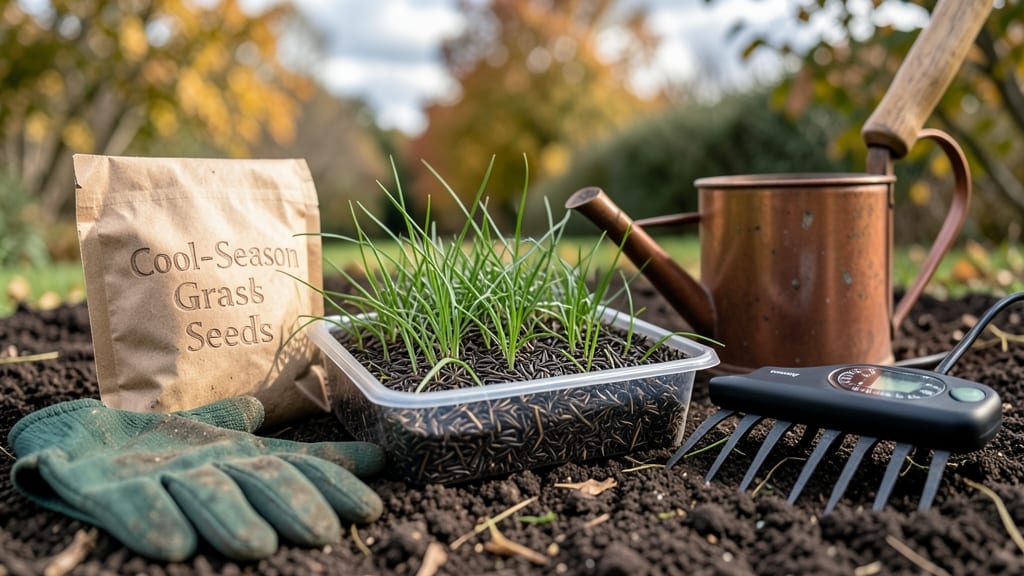
Planting grass seed in the fall is your best shot at a thick, lush lawn—but timing is everything. Cool-season grasses like 🌱 cool-season turfgrass thrive when planted 4-6 weeks before frost, giving roots time to establish before winter slows growth.
If you get it wrong, you might end up with patchy grass or wasted seed. The key? Understanding your local climate and frost dates—especially in USDA Zone 6a—to lock in that perfect window.
I’ll walk you through the exact steps to prep your soil, choose the right seed, and keep your new grass happy until spring.
Why does this work so well? Cooler fall temps mean less water stress, fewer weeds, and stronger root systems. Plus, you’ll avoid the heat and drought struggles of spring planting. Let’s break down the best practices to turn your lawn into the envy of the neighborhood.
Whether you’re fixing bare spots or starting fresh, this guide covers everything—from soil prep to watering schedules—so you can plant with confidence and wake up to a green carpet next summer.
Optimal fall grass seed planting timeline by region
Timing is everything when it comes to fall grass seed planting. Cool-season grasses like tall fescue and ryegrass thrive when sown 4-6 weeks before the first hard frost.
This window ensures seeds germinate, establish roots, and harden off before winter dormancy. Missing this target can leave your lawn vulnerable to patchy growth or winter kill.
Your USDA hardiness zone dictates the exact planting window. Southern regions with milder winters can plant later, while northern zones need to start earlier. For example, Zone 5 gardeners should aim for late August, while Zone 8 can wait until early October.
Local frost dates are your best guide—check the National Weather Service for your area.
Cooler fall temperatures reduce weed competition and water evaporation, giving grass seedlings a fighting chance. Soil temperatures between 60°F and 75°F are ideal for germination. If temps drop below 50°F, seeds may struggle to sprout, even with proper care.
Here’s how to align your planting with your region’s climate for maximum success:
In northern zones (3-6), focus on cool-season grasses like tall fescue or Kentucky bluegrass. These varieties germinate quickly in cooler soil and establish roots before winter. Planting too late risks seeds sprouting too close to frost, leaving them vulnerable to freeze damage or dormancy issues.
For southern zones (7-10), consider warm-season grasses like Bermuda grass for summer growth, then overseed with ryegrass in fall for winter coverage. Southern climates allow for a longer planting window, but avoid planting after mid-October to prevent winter stress.
Local climate quirks matter too. Coastal areas with milder microclimates may plant later than inland regions. For example, San Diego (Zone 10) can plant until November, while Phoenix (Zone 9) should finish by October. Always check 10-year frost averages for your specific location.
Pro tip: Use a soil thermometer to confirm temperatures are above 55°F before planting. If soil is too cold, germination slows dramatically, delaying your lawn’s establishment. Pair this with a weather app to track 7-day forecasts for unexpected cold snaps.
Once seeds are in the ground, focus on consistent moisture and light fertilization to encourage root growth. By spring, your lawn will reward you with a thick, resilient turf that outcompetes weeds naturally. Timing truly is the secret ingredient!
How to prepare your lawn for fall grass seed success
Fall is the perfect time to transform your lawn into a thick, green carpet—but only if you prepare the soil and conditions correctly. Cool temperatures and reduced weed competition create ideal germination conditions, but seed-to-soil contact and proper prep are non-negotiable.
Skipping these steps often leads to patchy growth or wasted seed. Let’s break down the essential prep work to ensure your grass seed thrives.
Start by mowing your lawn shorter than usual—about 1.5 to 2 inches—to create a clean canvas for seeding. This height helps sunlight reach the soil and reduces competition from existing grass. Next, remove debris and thatch using a rake or dethatching tool.
A thick thatch layer (over ½ inch) can block seed contact with soil, stunting growth. Aim for a thin, even surface to maximize seed coverage.
Step-by-Step Prep for Fall Grass Seed
- 1. Mow Low – Cut grass to 1.5–2 inches for even seed distribution.
- 2. Remove Debris – Rake away leaves, rocks, and thick thatch (over ½ inch).
- 3. Test Soil pH – Aim for 6.0–7.0; amend with lime or sulfur if needed.
- 4. Loosen Soil – Use a core aerator to create ¼-inch deep holes for seed contact.
- 5. Apply Starter Fertilizer – Choose a high-phosphorus (P) blend (e.g., 10-20-10).
- 6. Seed & Lightly Rake – Spread seed evenly, then rake ¼ inch deep for soil contact.
- 7. Water Gently – Keep soil consistently moist (1 inch per week) for 2–4 weeks.
After mowing and clearing debris, test your soil’s pH—ideal levels for cool-season grasses like fescue or bluegrass are between 6.0 and 7.0. If your soil is too acidic (below 6.0), add pelletized lime 2–3 weeks before seeding.
For alkaline soil (above 7.0), use sulfur or peat moss to lower the pH. Proper pH ensures nutrients are available for young seedlings to absorb efficiently.
Next, aerate your lawn using a core aerator to create small holes in the soil. This step is critical for seed-to-soil contact, especially in compacted lawns. Aim for ¼-inch deep holes spaced about 2–3 inches apart.
Aeration also improves air and water penetration, helping roots establish faster. Follow up by applying a starter fertilizer with high phosphorus (P) to encourage strong root development.
Once your soil is prepped, it’s time to seed. Use a broadcast spreader for even coverage, following the package’s recommended rate (typically 4–8 lbs per 1,000 sq ft). After spreading, lightly rake the area to press seeds into the soil—about ¼ inch deep.
This ensures seeds stay in contact with moist soil while protecting them from birds or wind. A gentle rake also helps level any uneven spots for uniform growth.
Finally, water immediately after seeding to activate germination. For the first 2–4 weeks, keep the soil consistently moist (about 1 inch per week) by watering early in the morning.
Avoid overhead sprinklers that can dislodge seeds or cause fungal issues. Mulch lightly with straw (not hay) to retain moisture and shield seeds from drying out or washing away during rain.