
Plants
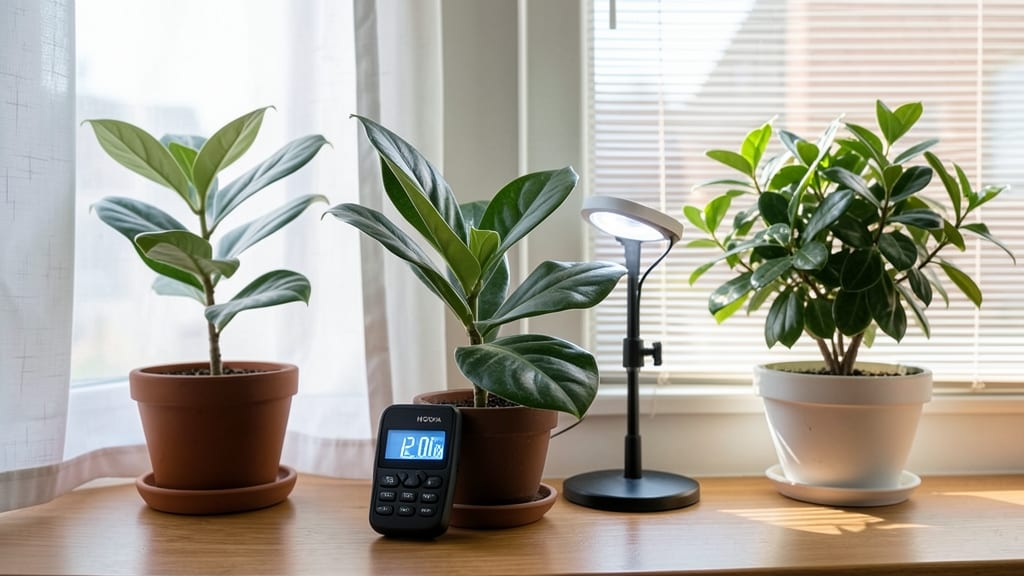
If your Hoya 🌿 plant is struggling to thrive, how much light does a Hoya plant need might be the key to unlocking its full potential.
These tropical vines crave bright indirect sunlight, but too much direct sun or too little light can stunt growth, fade leaves, or even prevent those stunning waxy flowers from appearing.
Most Hoyas do best with 4-6 hours of filtered light daily—think of an east-facing window where the morning sun gently bathes the leaves without scorching them. But here’s the catch: not all Hoyas are created equal.
Some varieties, like Hoya carnosa, are more forgiving, while others, such as Hoya obovata, demand precise lighting to reward you with their signature star-shaped blooms.
In this guide, I’ll break down exactly how much light your Hoya needs, how to spot when it’s getting too much (or too little), and even how to supplement with artificial lighting if natural light falls short.
Whether you’re dealing with leggy stems or pale, weak leaves, you’ll learn how to adjust your setup for a happier, healthier plant.
Ready to give your Hoya the perfect light conditions? Let’s dive in—your plant’s future depends on it!


Ideal light requirements for Hoya plants: bright indirect sunlight explained
Hoya plants thrive in bright indirect sunlight, mimicking their natural understory habitat in tropical forests. Unlike sun-loving succulents, Hoyas avoid harsh midday rays that can scorch their delicate leaves. The key is finding that sweet spot where light is abundant but diffused—think dappled shade under tall trees.
Without proper light, your Hoya may stretch toward the window (etiolation) or lose its vibrant foliage, while too much direct sun causes leaf bleaching or crispy edges.
Understanding your Hoya's light needs starts with recognizing its natural growth patterns. In the wild, these vines grow upward toward canopy gaps, seeking filtered sunlight. Recreating this environment indoors means positioning your plant near a window but not directly in the path of intense rays.
The east-facing window is often the gold standard, offering gentle morning light that fades before the harsh afternoon sun peaks.
Hoyas are remarkably adaptable, but their flowering potential hinges on consistent light exposure. Plants receiving 4-6 hours of bright indirect light daily will produce those iconic waxy blooms, while those in dim corners may remain leafy but sterile.
The trade-off? Too much direct sun (especially west or south windows) can cause sunburn, turning leaves white or yellow around the edges—a clear sign your Hoya is getting too much harsh light.
The science behind Hoyas' light preference lies in their photosynthetic efficiency. These plants evolved to capture diffused light in shaded forest floors, where direct sun is rare. Their thick, waxy leaves reduce water loss but also limit their ability to handle intense light.
When exposed to too much direct sunlight, their chlorophyll breaks down, leading to those unsightly white patches. Conversely, in low light, Hoyas stretch toward any available light source, creating weak, elongated stems that struggle to support themselves.
Seasonal adjustments are crucial for indoor Hoyas. During summer months, when sunlight is most intense, move your plant slightly farther from the window or use a sheer curtain to filter the light.
In winter, when natural light is scarce, supplement with a grow light for 12-14 hours daily to maintain growth. South-facing windows can be tricky—morning light is fine, but afternoon sun often requires protection. If you notice leaves turning yellow or white, it's a sign to reduce exposure immediately.
Not all Hoya varieties have identical light needs. Hoya carnosa (the popular "wax plant") is more forgiving, tolerating lower light conditions than Hoya obovata or Hoya kerrii, which demand brighter environments to thrive.
For example, Hoya obovata may produce fewer flowers in dim light, while Hoya linearis (string of pearls) benefits from slightly more direct light to enhance its variegation. Always research your specific variety—some even appreciate brief morning sun to encourage flowering.
If your home lacks natural light, artificial grow lights can be a game-changer. LED grow lights with a full-spectrum output (including red and blue wavelengths) mimic natural sunlight effectively.
Position the light 6-12 inches above your Hoya and keep it on for 12-14 hours daily to replicate a full day-night cycle. Avoid placing the light too close, as this can cause heat stress or leaf burn.
For best results, use a timer to automate the light cycle and maintain consistency.
Pro tip: Rotate your Hoya plant quarter-turns every 2-3 weeks to ensure even growth. Plants naturally grow toward light sources, so one side may become leggy if left unchecked. This simple habit promotes balanced foliage and prevents your Hoya from developing a lopsided appearance. Pair this with regular
Signs your Hoya isn’t getting enough (or too much) light—and how to Fix it
If your Hoya plant is struggling, light exposure is often the culprit. Too little light leads to weak growth, while too much causes sunburn. Watch for leaf color changes, stretched stems, or lack of flowers—these are your plant’s way of saying, "Adjust my light!"
Understanding these signs helps you create the perfect bright indirect light environment your Hoya craves.
Start by checking your plant’s leaf appearance. Pale or yellowing leaves signal insufficient light, while brown patches or crispy edges mean it’s getting too much direct sun.
Even slow growth or small leaves can indicate light stress. Hoyas are forgiving, but they need consistent light to thrive and produce those stunning waxy flowers.
⚠️ callout-warning ⚠️
Hoyas thrive in bright indirect light—think 4-6 hours of filtered sunlight daily. East-facing windows are ideal, while south or west windows may need sheer curtains to diffuse harsh rays. Artificial grow lights (12-hour cycle) work well for indoor setups without natural light. Avoid deep shade or intense midday sun.
Quick Fix: Rotate your plant weekly to ensure even light exposure.
For underlit Hoyas, move them closer to a window or supplement with a grow light. If you notice long, leggy stems, your plant is stretching toward light.
Trim back overgrown vines and reposition to a brighter spot. Hoya carnosa and Hoya obovata are more tolerant of lower light, but they’ll reward you with flowers when given the right conditions.
On the flip side, overlit Hoyas show signs like bleached or white-tipped leaves.
If this happens, move your plant 2-3 feet away from the window or add a sheer curtain to filter the light. West-facing windows are especially tricky—they provide intense afternoon sun that can scorch delicate Hoya foliage. A temporary shade cloth can save your plant during peak sun hours.
Don’t forget to rotate your Hoya every few weeks so all sides get even light. This prevents uneven growth and ensures your plant grows full and bushy. If you’re using artificial lighting, place the light 6-12 inches above the plant and keep it on for 12-14 hours daily.
Hoyas are low-maintenance, but they do need consistent light to reward you with lush growth and beautiful blooms.
Pro tip: Monitor your Hoya’s response after adjustments. If leaves perk up and new growth appears, you’ve found the sweet spot! If not, tweak the light gradually. With patience, your Hoya will thrive in its perfect light balance, becoming a stunning centerpiece in your home. 🌿