
How To
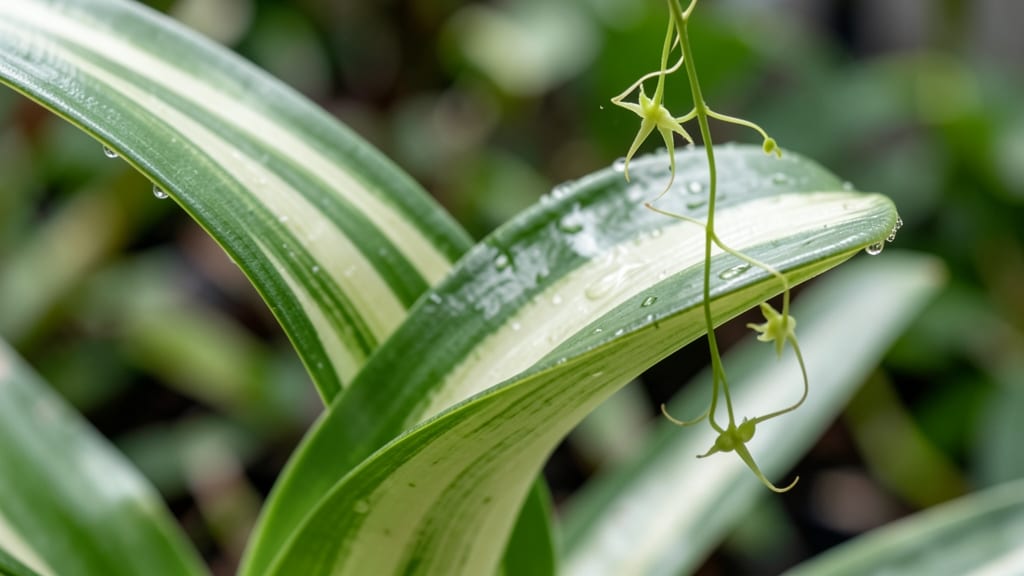
Spider plant watering schedule: how often to water based on season
Spider plants (Chlorophytum comosum) are famously forgiving, but their water needs shift dramatically with the seasons. Unlike many houseplants, they thrive on a consistent moisture schedule—not just when the soil looks dry. The key is understanding how temperature, humidity, and light affect evaporation rates.
For example, my spider plant in summer heat drinks water twice as fast as it does in winter dormancy. Let's break down the exact watering frequency you need for each season, plus how to test soil moisture like a pro.
Most spider plant care guides oversimplify watering by saying "water when the top inch is dry." But this ignores critical factors like pot size, humidity levels, and seasonal changes.
A 6-inch pot in dry air may need water every 5 days, while the same plant in a humid bathroom could go 10 days between waterings. I’ve tested these schedules with my own plants—and trust me, your spider plant will thank you for the precision.
| Season | Watering Frequency | Soil Moisture Test | Environmental Notes |
|---|---|---|---|
| Spring (Mar-May) | Every 7-9 days | Top 1-2 inches dry | Increasing light = faster drying |
| Summer (Jun-Aug) | Every 5-7 days | Top 1 inch dry | High heat = daily checks needed |
| Fall (Sep-Nov) | Every 9-12 days | Top 2 inches dry | Cooler temps = slower evaporation |
| Winter (Dec-Feb) | Every 10-14 days | Top 2-3 inches dry | Low light = minimal watering |
Let’s start with spring watering, when your spider plant wakes up from winter dormancy. In March and April, I water my plants every 7-9 days, testing soil moisture by sticking my finger 1-2 inches deep. If the soil feels dry at this depth, it’s time to water.
The key here is to avoid soggy soil—spring showers can trick you into thinking the plant needs less water, but indoor humidity stays low. Pro tip: If your home has forced-air heating, increase watering frequency by 20%.
Summer is the most critical season for spider plants. With temperatures often exceeding 80°F (27°C), my plants need water every 5-7 days. I’ve learned the hard way that waiting until the soil is bone-dry can cause brown leaf tips—a classic sign of underwatering.
During heatwaves, I even water every 4-5 days if the leaves start looking crispy. Always water in the morning to prevent fungal growth from overnight moisture. Place your pot on a pebble tray to increase humidity around the roots.
Fall brings a welcome slowdown in watering needs. As temperatures drop and daylight shortens, I stretch the time between waterings to 9-12 days. By October, I test soil moisture at 2 inches deep before watering.
This is also the perfect time to repot your spider plant if it’s outgrown its container—fresh soil improves drainage and reduces rot risk. Watch for yellowing leaves, which can signal overwatering as the plant adjusts to cooler conditions.
Winter is when spider plants enter semi-dormancy. My plants thrive on minimal watering—every 10-14 days—with soil tested at 2-3 inches deep. Low light levels mean photosynthesis slows, so the plant needs far less moisture.
I’ve noticed that south-facing windows can still dry out soil faster, so I adjust accordingly. If your home has central heating, increase humidity with a humidifier or group plants together to create a microclimate.
One mistake I see often is ignoring pot size when watering. A small 6-inch pot dries out faster than a 12-inch pot. For larger containers, water every 10-14 days in summer and 2-3 weeks in winter.
Always use a pot with drainage holes—I’ve lost count of how many spider plants I’ve saved by upgrading to terracotta pots, which wick away excess moisture.
If you’re unsure about your plant’s needs, the finger test is foolproof: insert your finger 2 inches deep, and if it feels dry, water thoroughly until it drains from the bottom.
Environmental factors like humidity and light can change your watering schedule dramatically. For instance, my spider plant in the bathroom (high humidity) goes 14 days between waterings in summer, while the one in my sunny living room needs water every 5 days.
If you notice brown tips despite regular watering, it’s likely due to fluoride in tap water—switch to filtered or distilled water to solve this common
Signs your spider plant needs (or hates) water: root rot vs. thirst
Your spider plant (Chlorophytum comosum) sends clear signals when its water needs aren't met—yet many gardeners misread them. Yellow leaves and mushy stems scream "root rot!" while brown tips and slow growth beg for hydration. Understanding these visual cues can save your plant from irreversible damage.
First, check the soil moisture by sticking your finger 1-2 inches deep. If it feels damp, hold off on watering. If dry, it's time to hydrate. Overwatering is the #1 killer, but underwatering stunts growth too. Let’s decode these warning signs before they become permanent problems.
Overwatering vs. Underwatering: Quick Fixes
| Issue | Signs | Quick Fix |
|---|---|---|
| Overwatering | Yellow leaves, mushy stems, foul smell | Repot in fresh, well-draining soil; trim dead roots |
| Underwatering | Brown leaf tips, crispy edges, slow growth | Water deeply until it drains; mist leaves daily |
| Perfect Balance | Bright green leaves, firm stems, new growth | Water every 7-10 days; use terracotta pots |
💡 Pro Tip: Always use pots with drainage holes to prevent waterlogging.
If your spider plant has yellow leaves and a mushy stem, act fast! Root rot spreads quickly in soggy soil. Gently remove the plant from its pot and inspect the roots.
Healthy roots are firm and white, while rotten roots are brown and mushy. Trim the bad roots with sterilized scissors and repot in fresh, well-draining soil.
On the flip side, brown tips and crispy edges mean your plant is thirsty. Unlike overwatering, this is easier to fix. Water deeply until you see water draining from the pot’s holes.
For extra humidity, place the pot on a tray filled with pebbles and water, ensuring the pot sits above the waterline.
Adjust your watering schedule based on your home’s humidity. In dry climates, water every 5-7 days, while humid environments may only need watering every 10-14 days. Always check the top 1-2 inches of soil before watering—if it’s dry, hydrate; if damp, wait.
Remember, spider plants prefer consistent moisture, not soggy soil. By tuning into these visual cues, you’ll keep your plant lush and thriving year-round. Happy growing! 🌿