
Plants
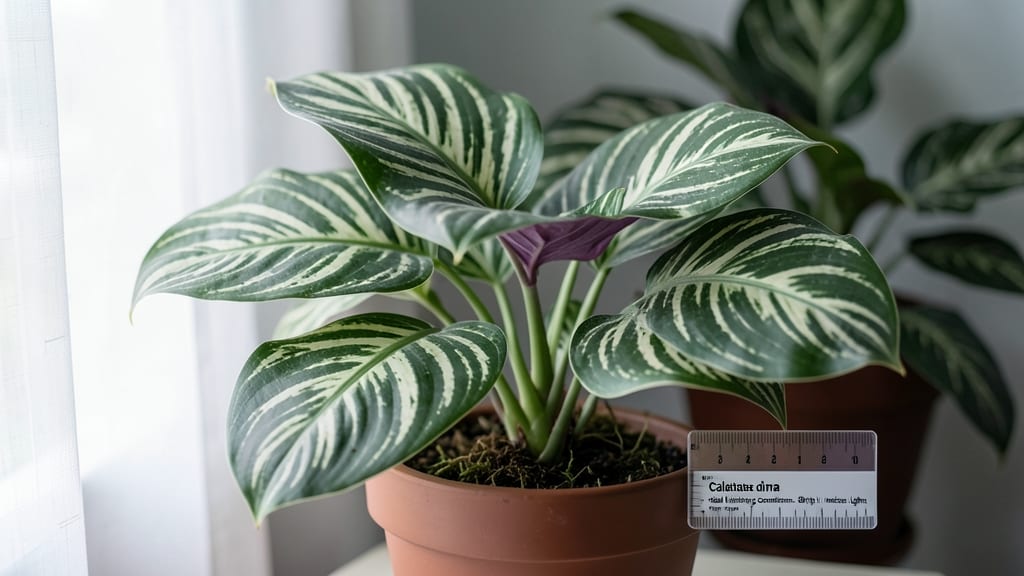
Ideal light requirements for zebra plant growth and striped foliage
The zebra plant (Aphelandra squarrosa) thrives on bright indirect light, which is why it's often called the "zebra plant" for its striking striped foliage. Too little light fades those bold patterns, while too much causes leaf burn.
Finding the perfect balance ensures your plant stays vibrant and healthy year-round. Let's break down exactly what your zebra plant needs to maintain its stunning appearance.
Most gardeners mistakenly assume "bright light" means direct sunlight, but this plant actually prefers filtered sunlight. The key is mimicking its natural understory habitat where it receives dappled light.
Think of it like positioning your plant near an east-facing window where morning sun gently illuminates the leaves without harsh afternoon rays. This balance is crucial for preserving those distinctive zebra stripes.
Here's a quick reference for your zebra plant's light needs:
| Light Requirement | Specification | Ideal Conditions |
|---|---|---|
| Primary Need | Bright Indirect Light | 4-6 hours daily |
| Direct Sun Tolerance | Morning Sun Only | Max 2 hours/day |
| Minimum Light | Medium Indirect Light | 3+ hours daily |
| Seasonal Adjustment | Winter Light Boost | Grow lights 12 hours/day |
| Window Placement | East or North Facing | 2-3 feet from glass |
During spring and summer, your zebra plant can handle 2-3 hours of morning sunlight before needing shade protection. The key is avoiding the intense afternoon sun between 12 PM and 4 PM, which can scorch those delicate leaves.
I've found that placing my plant near a sheer curtain helps diffuse the light while still providing enough brightness to maintain those vibrant stripes.
In winter months, natural light becomes weaker, and you may need to supplement with grow lights. Aim for 12 hours of light daily using a full-spectrum bulb placed about 12 inches above the plant.
This mimics the longer daylight hours of summer and prevents the stripes from fading. Many gardeners overlook this seasonal adjustment, leading to duller foliage during winter.
One common mistake is assuming all bright light is equal. What your zebra plant needs is bright but diffused light, not harsh direct rays. If you notice the leaves developing crispy edges or yellow patches, it's a clear sign of over-exposure.
Conversely, if the stripes lose their contrast and the leaves appear pale and elongated, your plant needs more light. These visual cues are your plant's way of communicating its needs.
For indoor gardeners, east-facing windows provide the perfect balance of morning sun and afternoon shade. If you only have south-facing windows, position your zebra plant at least 6 feet away to prevent leaf burn.
North-facing windows work well but may require supplemental grow lights during shorter winter days. Always rotate your plant every few weeks to ensure even light exposure on all sides.
Outdoor gardeners should provide partial shade when temperatures rise above 75°F. A location with morning sun and afternoon shade from trees or structures works beautifully. If you're growing your zebra plant in containers, choose a spot that receives filtered sunlight throughout the day.
Remember, these plants originate from tropical rainforests where they grow under the canopy, not in full sun.
To test your current light conditions, perform a simple shadow test. Place a small object near your plant and observe its shadow throughout the day. If the shadow is sharp and well-defined, you likely have direct sunlight.
If the shadow is soft and diffused, you're providing the ideal indirect light environment. This quick test helps you adjust your plant's position before any damage occurs.
Finally, remember that humidity levels also affect how your zebra plant responds to light. In dry indoor environments, the leaves may become more sensitive to light exposure. Pairing your ideal light placement with 50-60% humidity will help maintain those stunning stripes and overall plant health.
A simple pebble tray with water near your plant can make a noticeable difference during dry winter months.
Signs your zebra plant isn’t getting enough (or too much) light
Your zebra plant (Aphelandra squarrosa) communicates its light needs through subtle (and not-so-subtle) visual cues. If the bold white stripes on its leaves are fading or the foliage looks pale, it’s begging for more bright indirect light.
Conversely, crispy edges or sunburned spots signal too much direct sunlight. These signs help you adjust placement before permanent damage occurs.
Start by observing the leaf color—healthy zebra plants display vibrant green with crisp white stripes. When underlit, the stripes dull to grayish-white, and the leaves may develop a yellowish tint.
Over-exposure, however, causes brown patches or bleached areas, especially on leaves facing the sun. Pay attention to the growth pattern too; leggy, stretched stems are a classic sign of light starvation.
Here’s how to diagnose and fix common light-related issues:
- 🌱 Faded stripes turning grayish-white
- 🌱 Leggy growth with stretched stems
- 🌱 Pale yellow-green leaves
- 🌱 Slow growth or no new leaves
- ☀️ Brown patches or crispy edges
- ☀️ Bleached or white leaf areas
- ☀️ Rapid wilting despite adequate water
- ☀️ Stunted growth from sun stress
East or north-facing windows
Use sheer curtains or rotate plant
If your zebra plant shows signs of under-lighting, relocate it to a sunnier spot—like an east-facing window—where it receives 4-6 hours of bright indirect light daily. Avoid south- or west-facing windows during peak sun hours (11 AM–3 PM), as these can scorch delicate foliage.
For indoor setups, consider a grow light on a timer for 12–14 hours daily if natural light is insufficient.
For plants suffering from over-exposure, create a buffer by placing a sheer curtain between the plant and the window or rotate the pot quarter-turns weekly to distribute light evenly. Outdoor zebra plants thrive in partial shade, especially in hot climates.
If you notice sunburned leaves, trim the damaged areas with clean pruning shears and monitor the plant’s recovery closely.
Pro tip: Use a humidity tray or pebble tray near your zebra plant to mimic its tropical habitat. This helps mitigate stress from light adjustments while keeping the foliage lush and vibrant.
With the right light balance, your zebra plant will reward you with bold stripes and compact growth in just a few weeks! 🌿