
Plants
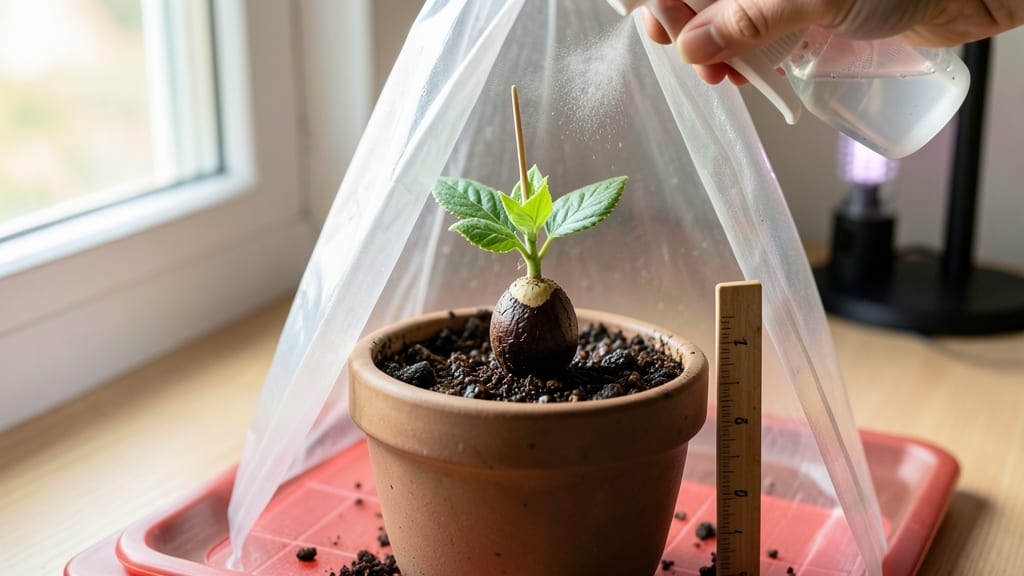
Planting an avocado seed in soil at the wrong time can turn your 🥑 dream into a sad, wilted experiment. The key isn't just waiting for roots to sprout—it's about matching your seed's readiness with the perfect seasonal conditions, whether you're in frost-prone Zone 6 or a frost-free paradise.
Most gardeners make the mistake of rushing the process, but timing matters more than you think. In Zone 6, spring (after that last frost in mid-April) is your golden window, while warmer climates can plant year-round.
The secret? Your seed needs consistent warmth and moisture to thrive once it leaves its water bath and hits soil.
I've learned the hard way that planting too early risks frost damage, while waiting too long can stunt growth. The ideal moment comes when your seedling sports 3-6 inches of roots and a few sturdy leaves—signs it's ready for its soil transition.
Let me show you exactly how to spot these cues and avoid common pitfalls.
From indoor prep to outdoor planting, we'll cover everything you need to know to give your avocado tree the best possible start. Whether you're a beginner or a seasoned gardener, these timing tips will help you grow a healthier, stronger seedling that stands a real chance of reaching maturity.
Optimal seasonal timing for planting avocado seeds in soil
Planting an avocado seed at the right time is crucial for germination success. These tropical seeds thrive in warmth and humidity, making seasonal timing your best ally. In temperate zones like USDA Zone 6, aim for spring planting after the last frost—typically April to June.
Warmer climates (Zones 9b-10) allow year-round planting, but spring and summer still offer the best conditions.
Avocado seeds have a dormancy period that lasts 4-12 weeks before germination. Planting too early in cold months risks frost damage or slow growth, while waiting too long may cause the seed to dry out.
The key is aligning your planting with the seed's natural germination triggers, like consistent moisture and 60-80°F soil temperatures.
Regional differences matter. In tropical zones, seeds can be planted anytime, but rainy seasons provide ideal humidity. For cooler climates, start seeds indoors 8-12 weeks before the last frost date, then transplant outdoors after roots reach 3-6 inches. This two-step process gives seedlings a head start in warmer months.
| Climate Zone | Best Planting Months | Soil Temp Requirement | Frost Risk | Germination Time |
|---|---|---|---|---|
| Tropical (Zones 10-11) | Year-round | 65-85°F | None | 4-8 weeks |
| Temperate (Zones 7-9) | March-September | 70-80°F | Low (late spring) | 6-12 weeks |
| Cool (Zones 4-6) | April-June (indoors first) | 75-85°F | High (avoid frost) | 8-16 weeks |
In temperate zones, the ideal window is April to June, when soil temperatures consistently stay above 65°F. Start seeds indoors in March if your climate has a late spring frost risk.
Use a heat mat to maintain 75-85°F soil temps—this mimics tropical conditions and speeds up germination.
Humidity plays a critical role. Avocado seeds need 60-70% humidity to germinate. In dry climates, use a humidity dome or pebble tray to maintain moisture. If planting outdoors in summer, choose a shaded spot first to prevent seed desiccation until roots establish.
Watch for natural germination triggers like the seed splitting open or root growth reaching 1-2 inches. These signs mean your seed is ready for soil transition. Delaying planting until you see root hairs reduces transplant shock. In cooler zones, this may mean waiting until late May.
Timing also depends on your seedling’s maturity. A seedling with 3-6 inches of roots and 2-3 leaves is ready for outdoor planting. In Zone 6, this typically aligns with late spring to early summer. Rush this transition, and you risk root damage or fungal infections.
For container growing, timing is flexible but still tied to seasonal warmth. Move pots outdoors in spring when nighttime temps stay above 50°F. In fall, bring containers indoors before first frost. This protects young seedlings from cold damage while maintaining growth momentum.
Regardless of your zone, avoid planting in summer’s peak heat (above 90°F). High temperatures can stress seedlings and cause leaf scorch. Instead, opt for early morning or late afternoon planting to reduce heat shock. Mulching with straw or bark helps regulate soil temps.
Remember, patience is key. Avocado seeds are slow to germinate, and rushing the process often leads to failure. Align your planting with natural seasonal cues, and your seedling will reward you with vigorous growth—not just a survival, but a thriving start. 🌱
Key germination triggers: how to tell when your avocado seed is ready for soil
Avocado seeds are finicky little things—they need just the right conditions before making the leap from water to soil. If you rush the process, your seedling may struggle with transplant shock or poor root development.
The key is watching for three critical readiness signals: root growth, leaf development, and environmental cues. I’ve learned the hard way that ignoring these signs can mean the difference between a thriving tree and a sad, wilted seedling.
First, focus on the root system. Healthy roots should reach 3-6 inches in length before planting. This gives your seedling enough stability to handle the stress of soil transition. Smaller roots may not anchor properly, leading to top-heavy seedlings that topple over.
I always check by gently lifting the seed out of water—if the roots are tangled but firm, it’s time to act.
Next, look for leaf development. Your seedling should have at least 2-3 mature leaves that are deep green and glossy. These leaves indicate the plant has enough energy reserves to support photosynthesis post-planting.
Yellow or undersized leaves? That’s a red flag—your seedling isn’t ready yet. I once planted a seedling with only one leaf, and it took weeks to recover.
- ✅ Root Length: 3-6 inches of healthy, white roots (no brown or mushy spots).
- ✅ Leaf Count: 2-3 mature leaves (1-2 inches long) with vibrant green color.
- ✅ Stem Strength: 1-2 inch tall stem that stands upright without support.
- ✅ Environmental Readiness: Warmth (70°F+) and humidity control (no drafts or extreme temps).
- ❌ Avoid Planting If: Roots are brown/mushy, leaves are yellow or wilted, or temps are below 60°F.
Environmental factors play a huge role too. Your seedling should be in a warm, stable environment (ideally 70°F or warmer). If you’re in a cooler climate, wait until spring or use a grow light to mimic summer conditions.
I once tried planting mine in late winter, and the cold slowed its growth for weeks. Also, avoid planting if your seedling has been exposed to drafts or temperature swings—these stress young plants.
One common mistake I see is overwatering after planting. While your seedling was in water, it thrived—but soil requires different care. Use a well-draining potting mix and water only when the top inch feels dry.
Overwatering can suffocate roots and cause root rot, which is nearly impossible to reverse. I’ve lost seedlings this way, and it’s heartbreaking!
Finally, pay attention to the seedling’s energy. A ready seedling will have a firm, upright stem and no signs of stress. If it’s leaning or drooping, it’s not ready. I always do a quick "wiggle test"—if the stem bends easily, wait a few more days.
Patience here saves you from future headaches. Once you’ve checked all these boxes, it’s time to plant!