
Plants
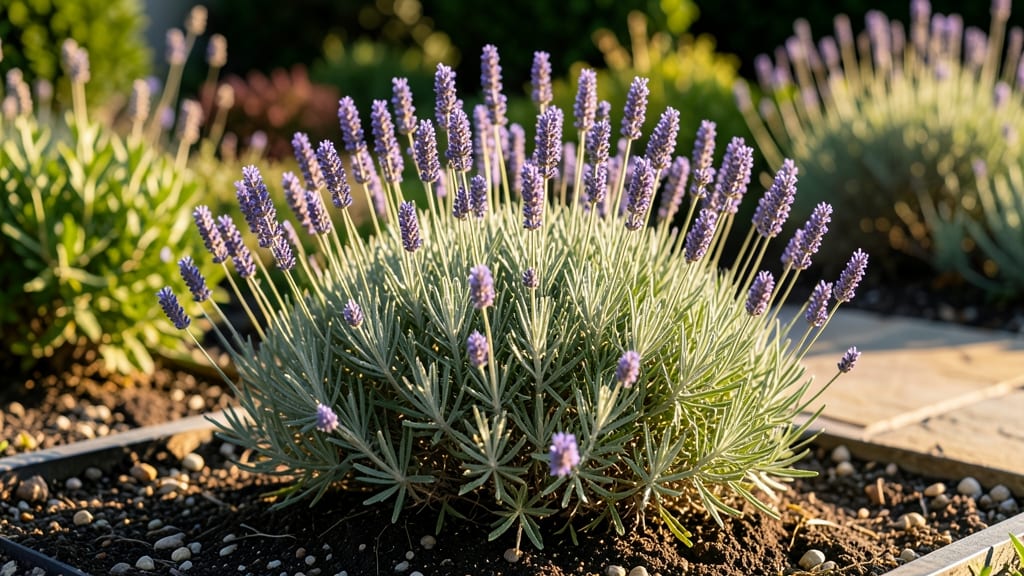
To grow thriving lavender 🌿, you might be surprised to learn that how much light does a lavender plant need is absolutely critical—these fragrant plants demand 6 to 8+ hours of full sun daily, and cutting corners here can mean the difference between lush, blooming bushes and sad, leggy stems that struggle to survive.
If you're wondering why your lavender seems to wilt or produce weak flowers, the answer might be hiding in plain sight—your garden's sunlight conditions. Too little light leads to sparse blooms and weak growth, while too much intense sun can scorch delicate leaves.
The key is finding that perfect balance where lavender gets enough brightness to flourish without getting stressed.
Don't worry if your space doesn't get constant sunshine—there are smart ways to work with what you've got. Whether you're dealing with partial shade or trying to maximize sun in containers, I'll show you how to give your lavender the light it craves.
Let's dive into the secrets of keeping these sun-loving plants happy and healthy.
You'll also discover how to spot when your lavender isn't getting enough light (hint: look for those telltale signs like yellowing leaves) and what simple adjustments can make all the difference.
By the end, you'll have all the tools to create the ideal growing conditions for lavender that will reward you with abundant blooms and that signature fragrance.


Optimal sunlight requirements for lavender plants: full sun vs. partial shade
Lavender plants are sun worshippers—they crave 6 to 8+ hours of direct sunlight daily to produce their signature fragrance and vibrant blooms. Without enough light, these Mediterranean natives become weak, leggy, and produce sparse flowers.
But how do you know if your garden spot is truly sunny enough? Let’s break down the essentials to help your lavender thrive.
First, understand that lavender is not a shade-tolerant plant. While it can survive in partial shade, it will never reach its full potential. The key is finding a location where your lavender gets at least 6 hours of full sun exposure, ideally between morning and late afternoon.
Southern exposures are perfect, but eastern or western spots can work too—just avoid deep shade or areas blocked by tall structures.
Here’s a quick visual guide to help you assess your garden’s sunlight conditions for lavender:
If your lavender isn’t getting enough sunlight, you’ll notice tell-tale signs like elongated stems and sparse blooms. These plants stretch toward light sources, creating a "leggy" appearance that weakens their structure.
In extreme cases, lavender grown in too little light may even develop pale, yellowing leaves or fail to flower altogether. On the flip side, too much direct afternoon sun can scorch lavender leaves, especially in hot climates.
For hot, dry climates, focus on providing morning sun and afternoon shade to prevent leaf burn. Use shade cloth or plant lavender near taller plants that cast afternoon shade.
In cooler regions, lavender can handle more direct sun year-round, but avoid watering leaves during peak sun hours to prevent sunburn.
Another trick is to place lavender in containers where you can move them seasonally. For example, in summer, position pots in a shadier spot to protect them from intense afternoon rays, then shift them back to full sun in spring and fall.
This flexibility works especially well for dwarf varieties like 'Hidcote' or 'Munstead', which are popular for containers and small gardens.
When assessing your garden, use a sunlight tracker for a week to map out how much light each spot gets. Mark the hours with a stake or chalk—this helps you identify the sunniest areas for lavender.
Remember, reflective surfaces like light-colored walls or gravel can increase sunlight exposure, so positioning lavender near these can boost growth.
If you’re growing lavender indoors near a window, a south-facing exposure is ideal. Place pots within 1–2 feet of the glass to maximize light. Supplement with a grow light for 12–14 hours daily if natural light is insufficient.
Indoor lavender may not bloom as heavily, but it can still thrive as a fragrant, low-maintenance houseplant.
Finally, mulch around lavender plants to retain moisture and regulate soil temperature, which indirectly supports their light needs. Use gravel or coarse sand—these materials improve drainage and reflect sunlight back to the plant’s roots.
With the right light conditions and a little extra care, your lavender will reward you with abundant blooms and intoxicating fragrance all season long. 🌿☀️
How to maximize lavender growth in different light conditions: pro tips for sunny and shady spots
Lavender plants are sun-worshippers at heart, but what happens when your garden doesn't offer the 6-8 hours of full sun they crave? The good news is that with a few clever strategies, you can still coax these fragrant beauties into thriving—even in shadier spots.
The key lies in understanding how to supplement natural light and adapt your care routine to match your garden's unique conditions.
For those lucky enough to have full-sun locations, the challenge shifts to avoiding over-exposure during scorching summer afternoons. Even lavender can suffer from sunburn when temperatures soar, so strategic placement and seasonal adjustments make all the difference. Let's explore how to give your lavender the perfect light balance year-round.
When dealing with limited sunlight, container gardening becomes your best friend. Terracotta pots absorb and radiate heat, creating a warmer microclimate for your lavender. Place containers on patio furniture or benches to elevate them slightly—this simple trick can increase sunlight exposure by up to 30%**.
Pair this with a light-colored gravel base to reflect additional light onto the plant's foliage.
For indoor lavender lovers, grow lights are a game-changer. I recommend using full-spectrum LED bulbs that mimic natural sunlight. Position them just above the plant's top leaves and set a timer for 12-14 hours per day to simulate a full growing season.
Remember to rotate your plants weekly so all sides receive even light exposure, preventing leggy growth toward the light source.
Don't overlook the power of seasonal adjustments during winter months when daylight hours shrink. If your lavender is outdoors, consider moving containers to a south-facing wall or under a clear plastic tunnel to capture reflected light.
For indoor plants, extend their light exposure by placing them in the brightest room during the day and using grow lights in the evening to add 2-3 extra hours of illumination.
With these light-maximizing strategies, your lavender can thrive whether basking in full sun or tucked into a shadier corner. The secret lies in creativity—experiment with placement, containers, and supplemental lighting to find what works best for your unique growing conditions.
Your fragrant garden oasis is closer than you think! 🌿☀️