
Plants
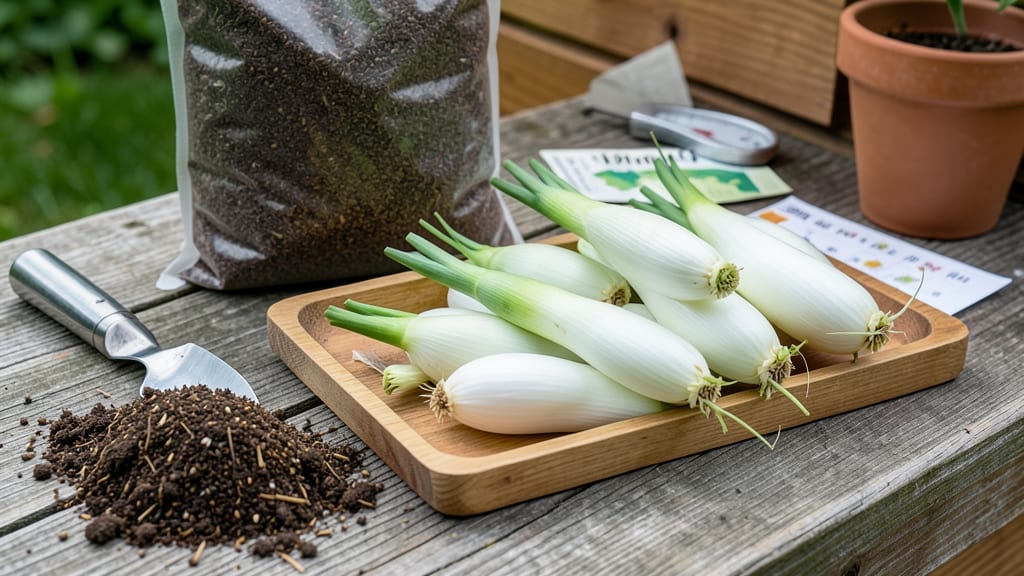
Planting freesia bulbs at the wrong time in Zone 5 can leave you with weak, sparse blooms—or worse, no flowers at all. The secret to vibrant 🌸 freesias lies in timing them perfectly, just 6-8 weeks before your first frost, when soil temperatures are cool but still workable.
Most gardeners in Zone 5 make the mistake of planting too late in fall or too early in spring, cutting short the bulbs' growth cycle. But with the right approach, you can enjoy fragrant clusters of blooms from late spring through summer.
Let me walk you through the exact weeks to plant, soil prep tips, and how to adjust for early or late frosts.
You’ll also discover how to protect your freesias from Zone 5’s unpredictable weather, ensuring they thrive even when temperatures dip unexpectedly. Whether you’re a first-time planter or a seasoned gardener, these strategies will help you maximize your freesia’s potential.
Ready to transform your garden with fragrant, eye-catching blooms? Let’s dive into the step-by-step guide that’ll have your freesias flourishing come spring.
Zone 5 freesia planting timeline: exact weeks before frost for peak blooms
In Zone 5, freesia bulbs need precise timing to thrive—plant too early, and they’ll rot in cold soil; too late, and you’ll miss the 6-8 week growing window before frost.
The sweet spot is 6-8 weeks before your first frost date, typically between late August and mid-September for most Zone 5 regions. This timing ensures bulbs establish roots before winter dormancy.
Your exact planting window depends on local frost dates and soil temperature. In northern Zone 5 (e.g., Minnesota, Wisconsin), aim for late August when soil cools to 60°F (15°C).
Southern Zone 5 (e.g., Missouri, Pennsylvania) can wait until mid-September as frost arrives later. Always check your USDA Plant Hardiness Zone map for precision.
Freesias are fall-planted perennials in Zone 5, unlike spring bulbs like tulips. They need cool soil and warm days to trigger blooming—planting too early (e.g., July) risks premature sprouting and frost damage.
Use a frost calendar (like the National Weather Service) to calculate your 8-week countdown from your area’s first frost.
For spring planting (less common but possible), plant freesia bulbs in early spring (March–April) when soil reaches 55°F (13°C). However, this method often yields smaller blooms due to Zone 5’s short growing season.
If you choose this route, use black plastic mulch to warm the soil faster and protect emerging shoots from late frosts.
Adjust your timeline if your area experiences unpredictable frosts. For example, if your 10-day forecast predicts an early frost, plant 2 weeks sooner. Conversely, if warm weather lingers, wait until soil temps drop below 65°F (18°C) to avoid rot risk.
Always plant bulbs 2–3 inches deep and 3–4 inches apart for optimal airflow and growth.
Pro tip: Use a soil thermometer to confirm readiness—freesias won’t sprout until soil cools to 50–60°F (10–15°C). If your soil is too warm, wait 1–2 weeks or use shade cloth to slow heating. Overheated soil can cause bulbs to pre-sprout and die before establishing roots.
After planting, mulch with 2–3 inches of straw to insulate bulbs from temperature swings and retain moisture. In Zone 5’s colder microclimates (e.g., valleys or high elevations), add an extra
How to prepare freesia bulbs for Zone 5 planting: pre-treatment steps for hardier growth
Zone 5’s short growing season demands extra care when preparing freesia bulbs for planting. Without proper pre-treatment, these delicate bulbs may struggle to establish roots before cold snaps arrive. I’ve learned that chilling and soil enrichment are the two most critical steps to ensure strong, hardy growth.
Freesias thrive in well-draining soil with a slightly acidic pH (6.0-6.5). In Zone 5, our native soil often lacks the organic matter needed to support bulb growth.
I recommend amending your planting area with compost or a balanced organic fertilizer at least 2-3 weeks before planting to give roots a nutrient boost.
Here’s my 3-step pre-treatment checklist to harden freesia bulbs for Zone 5’s climate:
Place bulbs in a cool, dark location (40-50°F) to simulate winter dormancy. This mimics natural conditions and ensures bulbs won’t sprout too early in Zone 5’s unpredictable spring.
Test soil pH and amend with organic matter (compost or peat moss). Zone 5 soils often compact easily—mix in perlite for better drainage to prevent bulb rot.
For extra insulation, plant bulbs in raised beds or cover with straw mulch (3-4 inches). This protects against early frost while maintaining soil warmth for root development.
I’ve found that organic soil boosters like worm castings or fish emulsion work better than synthetic fertilizers for freesias. Organic amendments improve soil structure over time, while synthetic options can burn delicate bulb roots.
For example, I mix 1 cup of compost with ½ cup of perlite per square foot of planting area.
One common mistake Zone 5 gardeners make is skipping the chilling step. Without it, bulbs may sprout too early and get damaged by late frosts. I always double-check my local frost dates and adjust my chilling timeline accordingly—typically starting in mid-July for a September planting.
For container gardening in Zone 5, use well-draining pots with a mix of potting soil and sand. Place containers in a sheltered spot to protect bulbs from sudden temperature drops. With these pre-treatment steps, your freesias will establish strong roots and reward you with vibrant, fragrant blooms next spring. 🌸