
Plants
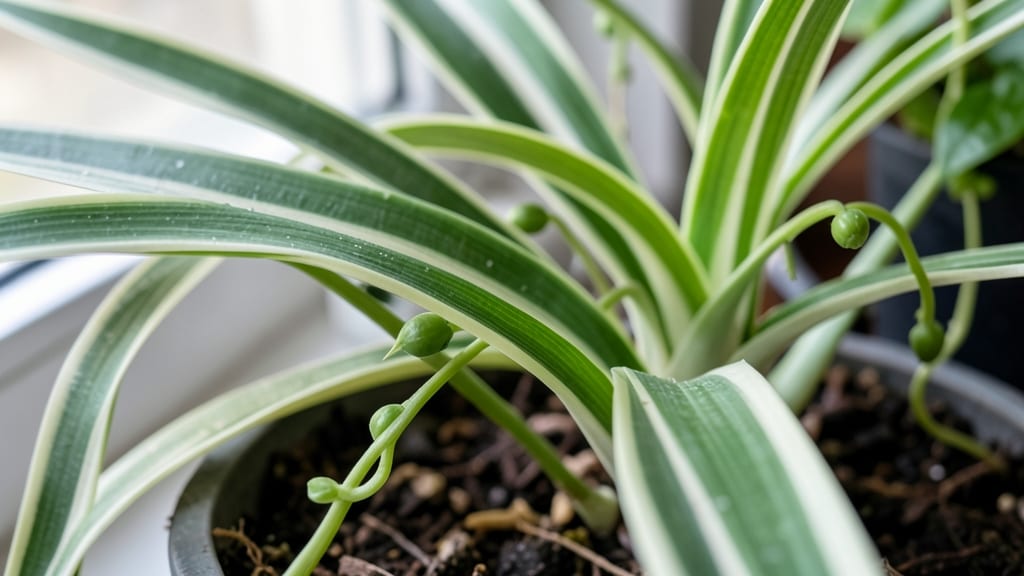
Want to know how much light does a spider plant need indoors to thrive without guesswork? You don’t need a sunroom—just 3-4 hours of bright, indirect light each day, and you’ll see those iconic striped leaves grow faster than you expect.
Most people overthink it, but spider plants are forgiving. They’ll survive in dimmer corners, though they’ll grow slower and look a little sad. The key is finding that sweet spot where they get enough light to stay happy without scorching.
I’ll show you exactly how to spot the signs—whether your plant is begging for more sun or already getting too much.
From east-facing windows to fluorescent-lit offices, I’ll break down the best spots in your home to place your spider plant. You’ll learn how to adjust care based on your space, plus common mistakes that even experienced plant parents make. Let’s get your spider plant looking lush in no time!
Ready to transform your plant care routine? By the end, you’ll know exactly where to put your spider plant so it thrives—no more brown tips or leggy stems. Let’s dive in!


Spider plant light requirements: the ideal balance of brightness and indirect sun
Spider plants (Chlorophytum comosum) are famous for their adaptability, but even they need the right light conditions to truly thrive indoors. Unlike sun-loving succulents, these plants prefer bright indirect light—think of it as morning sunlight filtered through a sheer curtain.
Too little light, and they’ll stretch awkwardly; too much direct sun, and their leaves will scorch. The sweet spot? 3-4 hours of bright, indirect light per day, which most homes can easily provide with the right window placement.
If you’re new to spider plant care, don’t worry—these plants are forgiving. They’ll survive in low-light conditions, but they’ll grow slowly and look leggy. For the healthiest, bushiest spider plant with those signature striped leaves, aim for moderate to bright indirect light.
This balance ensures vibrant foliage and encourages the plant to produce those adorable spiderettes (baby plants) that make spider plants so popular for propagation.
Your home’s natural light varies by window direction, and each offers different intensity. East-facing windows provide gentle morning sun—perfect for spider plants. North-facing windows offer consistent, soft light year-round, while west-facing windows can get intense afternoon sun, which may require a sheer curtain.
South-facing windows? Those are usually too harsh unless you’re at least 3 feet away from the glass.
Here’s a quick breakdown of your spider plant’s light needs—because every home’s lighting is unique:
Adjusting your spider plant’s light exposure is easier than you think. If your plant looks leggy (long stems with sparse leaves), it’s begging for more light. Move it closer to a window or rotate it weekly so all sides get even exposure.
Conversely, if the leaves develop brown patches or look crispy, it’s getting too much direct sun. Use a sheer curtain or shift it a few feet back from the window.
Pro tip: Spider plants in bathrooms or kitchens often thrive because the humidity from showers or cooking mimics their natural tropical habitat.
Just ensure they still get some indirect light—even a north-facing bathroom with a small window can work if supplemented with a grow light for 4-6 hours daily during darker months.
For offices or rooms with fluorescent lighting, place your spider plant within 3 feet of the light source. Fluorescent bulbs emit a spectrum similar to natural light, but they’re not as intense.
If your plant starts looking tired, consider upgrading to full-spectrum LED grow lights, which are energy-efficient and perfect for indoor gardening.
Remember, spider plants are low-maintenance, but they do reward attentive care. By giving them the right balance of bright indirect light, you’ll enjoy lush, striped foliage and plenty of spiderettes to share with fellow plant lovers.
Start with an east-facing window, monitor their response, and adjust as needed—your spider plant will thank you with vibrant growth!
How to tell if your spider plant isn’t getting enough light (and how to fix it)
Your spider plant might look healthy at first glance, but if it’s not getting enough bright indirect light, subtle signs will give it away. One of the first clues is yellowing leaves, especially on the lower stems.
This happens when the plant struggles to photosynthesize efficiently due to low light conditions. Even if you’re watering consistently, insufficient light can starve your plant of energy.
Another red flag is slow growth or sparse foliage. If your spider plant’s leaves are smaller than usual or the stems are leggy and stretched out, it’s reaching for more light.
This "etiolation" happens when the plant prioritizes growing taller to access sunlight over producing healthy leaves. Even the spiderettes (baby plants) may fail to develop properly.
Finally, check for brown tips or dull, pale leaves. While brown tips can also signal overwatering, if they appear alongside slow growth and weak stems, light deprivation is likely the culprit. These symptoms often go unnoticed until the plant’s overall health declines noticeably.
How much light does a spider plant need indoors? While they tolerate low light, 3-4 hours of bright indirect light daily is ideal. North or east-facing windows are perfect, but avoid south or west windows—direct sunlight burns leaves. In dim offices or bathrooms, supplement with a grow light 12-14 inches away for 6-8 hours daily.
To fix light deficiency, start by relocating your plant closer to a window, ideally within 2-3 feet of an east or north-facing one. If your home lacks natural light, rotate the pot ¼ turn weekly to ensure even growth.
This prevents the plant from leaning toward one side, which is a classic sign of light hunger.
For low-light spaces, invest in a LED grow light with a cool white spectrum. Place it 12-18 inches above the plant and use it for 6-8 hours daily.
Avoid cheap fluorescent bulbs—they emit too much heat and may damage leaves. Pair this with regular pruning to encourage bushier growth and remove any leggy or yellowed stems.
Remember, spider plants are resilient, but they won’t thrive in dark corners. Even a small adjustment—like moving it to a brighter spot or adding a grow light—can revive your plant’s vibrancy.
With the right light conditions, you’ll see new green leaves and healthy spiderettes in just a few weeks! 🌱