
Plants
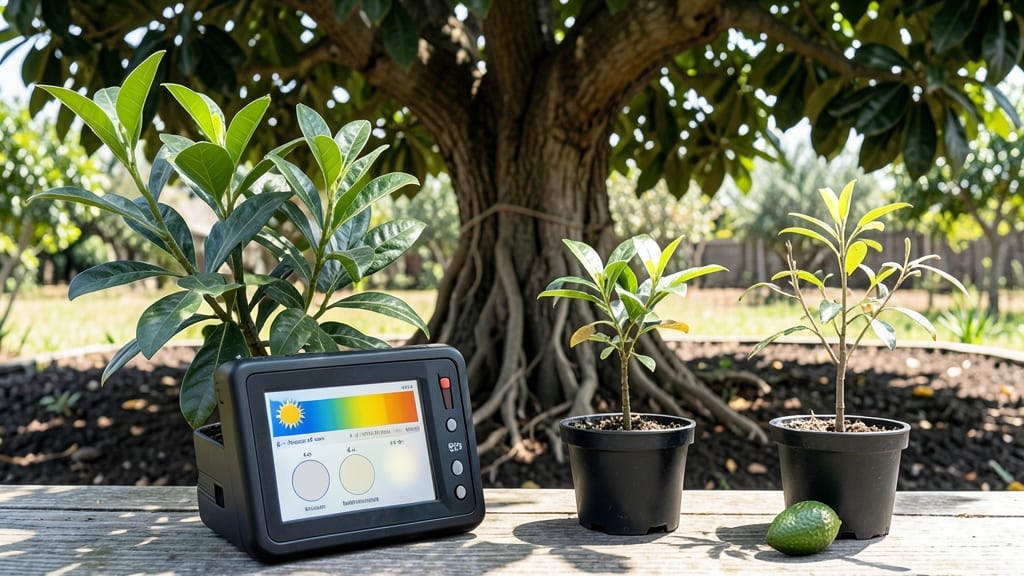
Want to grow a healthy 🥑 avocado plant but struggling with how much light an avocado plant needs? Getting the balance right isn't just about sunshine—it's about understanding how much and what kind your plant truly needs to thrive.
Avocado plants crave bright, indirect sunlight, ideally 6 to 8 hours per day, but too much direct heat can scorch those delicate leaves. Whether you're nurturing a seedling indoors or a mature tree outdoors, knowing the signs of under- or over-exposure is the key to avoiding common mistakes.
In this guide, I’ll break down exactly how to meet your avocado’s light needs—from positioning near a south-facing window to supplementing with grow lights when natural light falls short. You’ll also learn how seasonal changes affect your plant’s sunlight requirements, so you can adjust care without guessing.
Let’s dive into the easiest ways to give your avocado the perfect light conditions for lush growth and maybe even fruit someday!


Optimal sunlight hours for avocado plant growth by stage
Avocado plants are sun lovers, but their light needs change dramatically as they grow. Seedlings require gentle care, while mature trees crave full sun exposure. Understanding these shifts ensures your avocado thrives at every stage, whether indoors or outdoors.
Let’s break down the exact sunlight hours needed for each growth phase.
For seedlings and young plants, too much direct sun can scorch delicate leaves, while insufficient light leads to weak, leggy stems. The key is bright, indirect sunlight—think dappled shade under a tree or a north-facing window.
As your plant matures, it will gradually crave more intense light, but the transition must be gradual to avoid shock.
| Growth Stage | Sunlight Hours | Indoor Adjustments | Outdoor Conditions |
|---|---|---|---|
| Seedlings (0-6 months) | 4-6 hours bright indirect light | South-facing window with sheer curtain | Partial shade (50% sun) |
| Young Plants (6-24 months) | 6-8 hours direct light | Grow lights 12-14 hrs/day | Morning sun + afternoon shade |
| Mature Trees (2+ years) | 8+ hours full sun | Not recommended indoors | Full sun exposure (6+ hrs/day) |
When your avocado is a seedling (0-6 months), it needs 4-6 hours of bright, indirect sunlight daily. Place it near an east-facing window or under a grow light for 12-14 hours if indoors.
Outdoor seedlings should be shielded from harsh afternoon sun with shade cloth. Leggy growth or pale leaves signal insufficient light, while brown spots mean too much intensity.
As your avocado grows into a young plant (6-24 months), increase its sunlight to 6-8 hours of direct light. This is the critical phase for building strength—outdoors, gradually introduce it to full sun over 2-3 weeks.
Indoors, supplement with a full-spectrum LED grow light placed 6-12 inches above the plant. Avoid placing it in direct midday sun, which can cause leaf burn.
Once your avocado reaches maturity (2+ years), it demands 8+ hours of full sun daily to produce fruit. Outdoor trees thrive in USDA Zones 9-11, where they can bask in the sun without stress.
If you’re growing one indoors, consider relocating it to a sunroom or greenhouse—standard household lighting is insufficient for long-term health. Even dwarf varieties need bright light year-round to prevent decline.
Seasonal adjustments are key. In summer, filter intense sunlight with sheer curtains or move potted plants to partial shade during peak hours. In winter, supplement with grow lights if natural light drops below 6 hours.
Watch for yellowing leaves or dropped fruit—these are red flags for light deprivation, especially in mature trees.
For indoor avocado plants, rotate the pot quarter-turn weekly to ensure even light exposure. South-facing windows provide the best natural light, but west-facing windows can work if you use reflective surfaces (like mirrors) to bounce extra light onto the plant.
Avoid placing your avocado near drafty windows or heating vents, which create stress.
Outdoor avocados benefit from afternoon shade in hot climates (like Arizona or California), where temperatures exceed 90°F. Use drip irrigation to keep leaves cool and reduce sun scorch.
In cooler regions (like Florida or Hawaii), full sun is ideal year-round, but protect young trees from strong winds that can dry out foliage.
If your avocado’s leaves develop crispy brown edges, it’s getting too much direct sun. Move it to a shadier spot immediately. Conversely, dark green leaves with no yellowing indicate healthy light exposure.
For indoor growers, a light meter (under $20) helps track intensity—aim for 3,000-5,000 lux** for optimal growth.
Remember: avocados are tropical plants that mimic their native habitat’s bright, consistent light. Whether you’re nurturing a seedling or a towering tree, matching their sunlight needs at each stage is the secret to lush foliage and—eventually—delicious fruit. 🌱
Signs your avocado plant isn’t getting enough (or too much) light
If your avocado plant looks more like a sad office plant than a thriving tree, light might be the culprit. Avocados need bright, indirect sunlight—at least 6-8 hours daily—to grow strong and healthy.
Too little light leads to weak growth, while too much can scorch those delicate leaves. Let’s diagnose the problem and fix it before your plant gives up completely.
First, check your plant’s leaf color. Yellowing leaves, especially on the lower branches, are a classic sign of insufficient light. These leaves often start small and spread upward as the plant stretches toward any available light source.
Meanwhile, brown or crispy edges on leaves mean your avocado is getting too much direct sunlight, causing leaf burn. Both issues require immediate attention to save your plant.
⚠️ callout warning
Avocados need 6–8 hours of bright, indirect sunlight daily. Too little light causes stunted growth and yellow leaves, while too much direct sun leads to leaf burn and brown spots. Indoor plants near south-facing windows thrive, but outdoor plants need partial shade in peak afternoon sun.
💡 Fix it: Move plants to a bright, filtered light spot or use sheer curtains to diffuse harsh sunlight. For indoor setups, rotate the pot weekly to ensure even growth.
Another red flag? Leggy growth—those long, weak stems with small, widely spaced leaves. This happens when your avocado stretches toward the nearest light source, often near a window.
If you notice this, it’s time to relocate your plant closer to a sunny spot or invest in a grow light if natural light is limited. Without enough light, your plant will struggle to produce energy through photosynthesis, leading to poor overall health.
On the flip side, leaf burn is a clear sign of over-exposure. Look for brown, crispy patches on leaves, especially on the sides facing the sun. This is your avocado’s way of saying, “I’m getting too much heat!”
If your plant is outdoors, try moving it to a shadier spot during the hottest hours (11 AM–3 PM). For indoor plants, shift them away from direct southern or western sunlight, which can be intense even through windows.
Don’t ignore slow or no new growth either. If your avocado plant has stopped producing new leaves or flowers, it’s likely starving for light. Healthy avocados should grow new leaves regularly, especially in spring and summer.
If growth has stalled, consider supplementing with a full-spectrum grow light for 12–14 hours daily. This mimics natural sunlight and can revive a struggling plant.
Finally, pay attention to the stem thickness. A healthy avocado plant should have a sturdy, thick stem with compact growth. If the stem is thin and spindly, it’s a sign of light deprivation.
Thin stems are more prone to breaking and can’t support the weight of avocado fruit later on. To fix this, move your plant to a brighter location and ensure it gets consistent light exposure throughout the day.
With these signs in mind, you can quickly diagnose and fix your avocado’s light issues. Whether it’s relocating the plant, adjusting window placement, or adding a grow light, your avocado will thank you with lush green leaves and maybe even fruit one day! 🌿