
How To
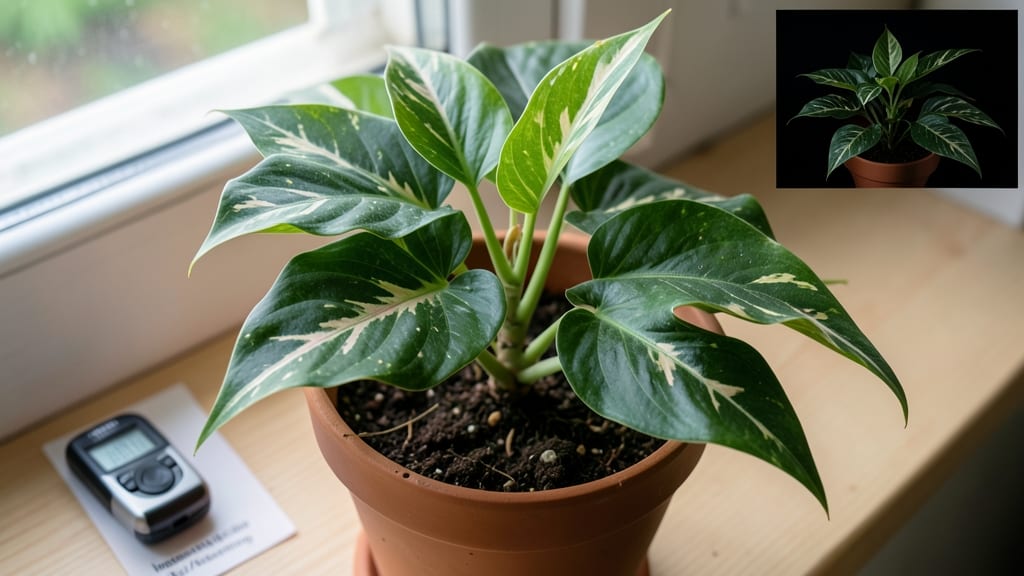
To keep your arrowhead plant thriving, you might be surprised by how much light it actually needs—it’s not just about survival, but about unlocking those vibrant, heart-shaped leaves you love.
Too little light, and your plant will stretch out like it’s desperate for more energy, while too much can leave those stunning foliage patterns faded or crispy at the edges.
This tropical beauty, with its 🌿 arrowhead-shaped leaves, craves bright indirect light—think of it as the perfect balance between sunshine and shade.
Whether you’re growing it indoors near a window or outdoors in USDA Zone 6a, understanding its light preferences is the key to preventing common issues like yellowing leaves or slow growth.
In this guide, I’ll break down exactly how much light your arrowhead plant needs, from the ideal spot in your home to signs it’s not getting enough (or too much). You’ll also discover easy fixes to keep your plant lush and healthy year-round.
Ready to transform your arrowhead plant into a stunning centerpiece? Let’s dive into the lighting secrets that will make all the difference.


Ideal light requirements for arrowhead plants: bright indirect sunlight explained
Your arrowhead plant (Syngonium) thrives on bright indirect sunlight, but many gardeners struggle to strike the perfect balance. Unlike sun-loving succulents, arrowheads hate harsh direct rays that cause leaf scorch. The key is mimicking their natural understory habitat—think dappled forest light.
Too little light leads to leggy growth, while too much causes crispy brown edges. Let’s break down exactly how to meet your plant’s needs.
The ideal light intensity for arrowheads falls between 1,000-2,500 foot-candles, measured 12 inches above the foliage. This translates to a spot near an east or west-facing window where sunlight filters through sheer curtains.
South-facing windows can work, but only if you place the plant 3-5 feet back from the glass to diffuse the intensity. North-facing windows often provide too little light, leading to slow growth and pale leaves.
| Light Condition | Foot-Candles | Best Window Placement | Plant Response |
|---|---|---|---|
| Bright Indirect | 1,000-2,500 | East/West window, 3-5 ft away | Vibrant leaves, compact growth |
| Low Light | <500 | North window or dark corner | Leggy stems, pale leaves |
| Direct Sun | >2,500 | South window, no curtain | Brown leaf edges, crispy spots |
| Medium Light | 500-1,000 | Indirect light, 6+ ft from window | Slow growth, smaller leaves |
Seasonal adjustments are crucial for arrowheads. During spring and summer, when sunlight is most intense, move your plant further from windows or use a sheer curtain to filter UV rays.
In fall and winter, when natural light dims, supplement with a grow light for 4-6 hours daily to maintain 4-6 hours of light exposure. Without this, your arrowhead may stretch toward the light, producing weak, elongated stems—a classic sign of light deprivation.
Pro tip: Rotate your arrowhead plant quarter-turn weekly to ensure even light exposure on all sides. This prevents lopsided growth and helps the plant develop symmetrical foliage. If you notice new leaves growing smaller than mature ones, it’s a red flag that your plant isn’t getting enough light.
Conversely, if leaves develop yellow or brown patches, especially along the edges, you’re likely overdoing it with direct sun.
For gardeners with limited natural light, consider placing your arrowhead on a sunny bookshelf or near a skylight. Even a well-lit bathroom with indirect light can work in a pinch.
The key is consistency—arrowheads prefer stable light conditions over fluctuating exposure. If you’re unsure about your space, use a light meter app to test foot-candles and adjust placement accordingly.
Outdoor growers can enjoy arrowheads in partial shade gardens, especially in hot climates where afternoon sun can be brutal. Pair them with hostas or ferns for a low-light understory combo.
Just remember: arrowheads are not drought-tolerant, so even in bright indirect light, maintain consistent moisture to prevent stress from combined light and water issues.
One common mistake is assuming all houseplants need the same light. Unlike snake plants or ZZ plants, which thrive in low light, arrowheads are moderate-light lovers. If your plant starts dropping leaves or developing crispy brown tips, reassess its light spot immediately.
A simple fix is moving it to a bathroom with a window or using a reflective surface like a white wall to bounce light onto the leaves.
To test your arrowhead’s light satisfaction, observe its leaf color and growth rate. Healthy arrowheads have deep green, arrow-shaped leaves with vibrant veins. If leaves turn yellow or develop white patches, it’s a sign of too much light.
On the flip side, pale, stretched-out leaves mean your plant is craving more light. Addressing these signs early can save your arrowhead from irreversible damage.
Final tip: If you’re using artificial lighting, opt for full-spectrum LED grow lights placed 12-18 inches above the plant. Run them for 12-14 hours daily to mimic natural daylight cycles.
With the right light balance, your arrowhead will reward you with lush, glossy foliage and even produce white or pink flowers
Signs your arrowhead plant isn’t getting the right light (and how to fix it)
Your arrowhead plant (Syngonium) might be silently screaming for help if its leaves are looking less than vibrant. Leggy stems, pale foliage, or crispy edges are classic red flags that the lighting isn’t quite right.
These signs often mean your plant is either starving for light or getting scorched by too much direct sun. Understanding these clues is the first step to reviving your plant’s lush, healthy glow.
One of the most common mistakes is assuming bright light = direct sunlight. While arrowheads love brightness, they despise harsh rays that can cause leaf burn. The key is finding that sweet spot of indirect brightness, where your plant gets enough light to thrive without risking damage.
Let’s break down the symptoms and solutions so you can give your arrowhead the perfect lighting setup.
⚠️ How Much Light Does Arrowhead Plant Need?
Arrowhead plants thrive in bright indirect light, ideally 4-6 hours daily. They can tolerate low light but will grow leggy, while direct sun causes leaf burn. Test your spot: if you can’t read a book comfortably under the light, it’s likely too dim.
Best locations: East or west-facing windows, 3-5 feet from a sheer curtain. Avoid south-facing windows without filtering.
If your arrowhead’s leaves are turning yellow, especially on the lower stems, it’s a sign of too much light or overwatering. Brown crispy edges, on the other hand, usually mean the air is too dry or the plant is getting direct afternoon sun.
To fix this, move your plant to a spot with filtered light or add a sheer curtain to diffuse harsh rays. A simple DIY light test can help: place a piece of paper near your plant. If it’s too dark to read comfortably, your arrowhead needs more light.
On the flip side, if your arrowhead plant is growing tall and spindly with small leaves, it’s stretching toward the light—classic low-light stress. This happens often in north-facing windows or dim offices.
Rotate your plant quarter-turns weekly to encourage even growth, and consider supplementing with a grow light if natural light is insufficient. Even a 12-inch LED bulb placed 6-12 inches away can make a world of difference.
For office environments, where light is often inconsistent, place your arrowhead near a bright desk lamp or under fluorescent lighting. If you notice slow growth or dull leaves, it’s time to upgrade to a full-spectrum grow light.
Just remember: 12-14 hours of light daily mimics natural conditions and keeps your arrowhead thriving. Pair this with regular misting to boost humidity, as indoor air can dry out leaves faster.
Finally, don’t overlook the seasonal adjustments your arrowhead might need. In winter, when daylight is shorter, supplement with artificial light to maintain 4-6 hours of brightness. In summer, watch for leaf scorch and adjust curtains or move your plant slightly away from windows.
With these tweaks, your arrowhead will reward you with bold, arrow-shaped leaves and vigorous growth.