
How To
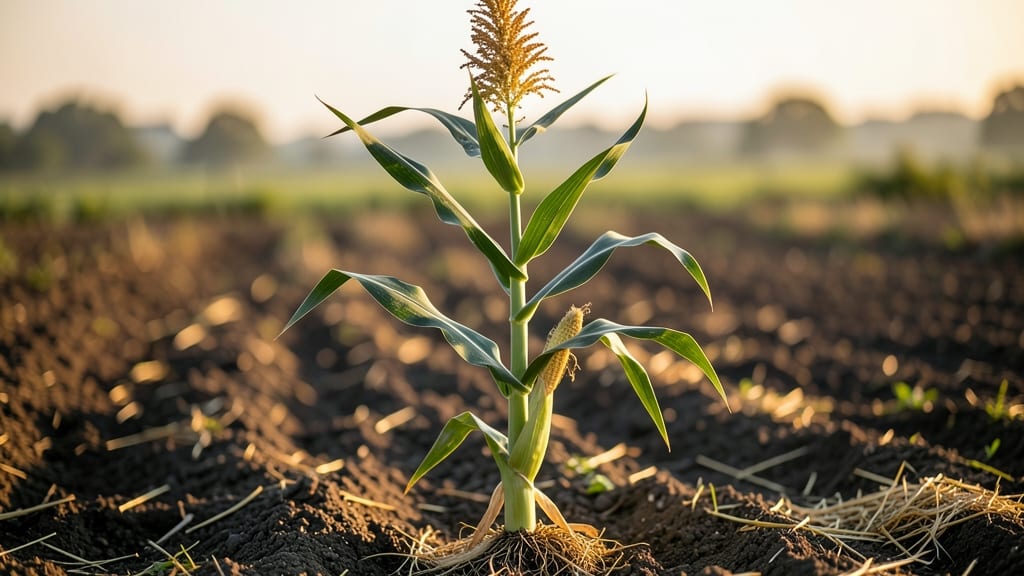
If you're wondering how tall your corn plants will grow, the answer might surprise you—some varieties stretch taller than a basketball hoop while others stay compact enough for small gardens. Knowing this ahead of time helps you plan spacing, trellising, and even where to plant in your yard.
Corn height varies dramatically depending on the type, with dwarf varieties reaching just 3–5 feet and towering giants soaring up to 12 feet or more. Whether you're growing sweet corn for dinner or field corn for livestock, understanding these differences is the key to a successful harvest.
Growing conditions also play a huge role in how tall your corn will grow. Sunlight, soil quality, and proper spacing can either boost your plants to their full potential or leave them stunted. I’ll break down what you need to know to get the tallest, healthiest corn in your garden.
Ready to learn which varieties fit your space and how to support them for maximum growth? Let’s dive into the details so you can plan your corn garden like a pro.


Corn plant height by variety: from dwarf to towering giants
Corn plants can range from dwarf varieties barely reaching your knees to towering giants that dwarf even the tallest gardeners. Understanding these differences is crucial for planning your garden layout, trellising needs, and maximizing your harvest.
The height of a corn plant is primarily determined by its genetic variety, but growing conditions like sunlight, soil fertility, and spacing also play a significant role in its final stature.
For example, a dwarf sweet corn variety like 'Sweet Baby' might only grow to 3–5 feet, making it perfect for small gardens or container growing. On the other hand, standard field corn varieties like 'Country Gentleman' can soar to 10–12 feet, requiring ample space and sturdy support.
Knowing these height ranges helps you avoid overcrowding and ensures your corn plants have room to thrive.
Below is a breakdown of common corn varieties by height category, including sweet corn, field corn, and popcorn, along with their typical mature heights and growth habits. This guide will help you select the right variety for your space and growing goals.
If you're growing dwarf corn varieties, you can plant them as closely as 8–12 inches apart since they won’t outcompete each other for space.
However, taller varieties like 'Country Gentleman' need at least 12–18 inches of spacing to prevent shading and ensure each plant has enough nutrients and sunlight to reach its full height.
For giant corn varieties, consider using trellises or sturdy stakes to support their weight, especially in windy conditions. This not only prevents lodging (where plants fall over) but also makes harvesting easier.
I’ve found that bamboo stakes or metal trellis netting works best for varieties exceeding 8 feet, as they provide the necessary stability without restricting growth.
Another factor to consider is the growth rate of your corn variety. Dwarf varieties may mature faster, giving you an earlier harvest, while taller varieties often take longer to reach their full height and produce ears.
For example, 'Silver Queen' (a semi-dwarf) typically matures in 70–80 days, while 'Country Gentleman' can take 90–110 days to reach maturity and full height.
When selecting corn varieties, also think about your garden layout. If you're growing corn in rows, taller varieties should be planted on the north side of shorter ones to avoid shading.
This simple trick can help maximize sunlight exposure for all your plants, ensuring even growth and a bountiful harvest. For instance, planting dwarf corn in the south and tall corn in the north creates a natural shade gradient that benefits both varieties.
Lastly, remember that soil fertility and water consistency can influence how tall your corn grows. Even dwarf varieties may struggle to reach their potential height if they’re planted in poor soil or experience drought stress.
To optimize growth, amend your soil with compost or aged manure before planting and maintain consistent moisture, especially during the tasseling and ear development stages. This ensures your corn plants have the energy to grow tall and produce abundant ears.
By choosing the right variety for your space and providing optimal growing conditions, you can enjoy corn plants that thrive—whether they’re compact dwarfs or towering giants. Happy planting! 🌽
How growing conditions affect corn plant height: sun, soil, and spacing secrets
Corn plants are fascinating because their height can vary dramatically based on growing conditions. While some varieties naturally reach 10-12 feet, others stay under 5 feet if conditions aren't ideal.
The difference often comes down to three key factors: sunlight exposure, soil quality, and proper spacing. Understanding these will help you grow corn that matches your expectations—and your garden space!
Sunlight is the most critical factor for corn height. These plants thrive in full sun (6-8+ hours daily), but even slight shade reductions can stunt growth. For example, a Silver Queen variety might reach 8 feet in full sun but only 5 feet with partial shade.
Soil fertility also plays a huge role—nutrient deficiencies or compacted soil can limit root development, directly affecting how tall your corn grows.
⚠️ WARNING: Common Mistakes That Stunt Corn Growth
Spacing is another secret weapon for taller corn. Most varieties need 12-18 inches between plants and 30-36 inches between rows. When corn is too close, plants compete for nutrients and sunlight, resulting in shorter, weaker stalks.
For example, 'Country Gentleman'—a tall variety—can reach 12 feet with proper spacing but may only hit 8 feet if crowded. Always follow variety-specific spacing guidelines!
Water availability also impacts height, especially during critical growth stages. Young corn needs 1-2 inches of water weekly, while mature plants require deep watering every 2-3 days during drought. Drought stress during tasseling (when pollen forms) can permanently stunt growth.
I once grew 'Bodacious' corn in a dry summer and saw stalks 3 feet shorter than expected—despite full sun and rich soil!
Soil fertility is the foundation for tall corn. Test your soil before planting—corn thrives in pH 6.0-6.8 with ample phosphorus and potassium. Adding compost or aged manure at planting time boosts nutrient availability.
I recommend a balanced 10-10-10 fertilizer applied at planting and again when tassels emerge. Without proper nutrients, even sun-loving varieties like 'Peaches and Cream' may stay under 6 feet.
To maximize height in tall varieties, combine these strategies: plant in full sun, use well-draining, fertile soil, space plants properly, and maintain consistent moisture. For shorter varieties like 'Sweet Baby', focus on compact spacing and light fertilization to prevent overgrowth.
With the right conditions, even dwarf varieties can surprise you with extra height!