
How To
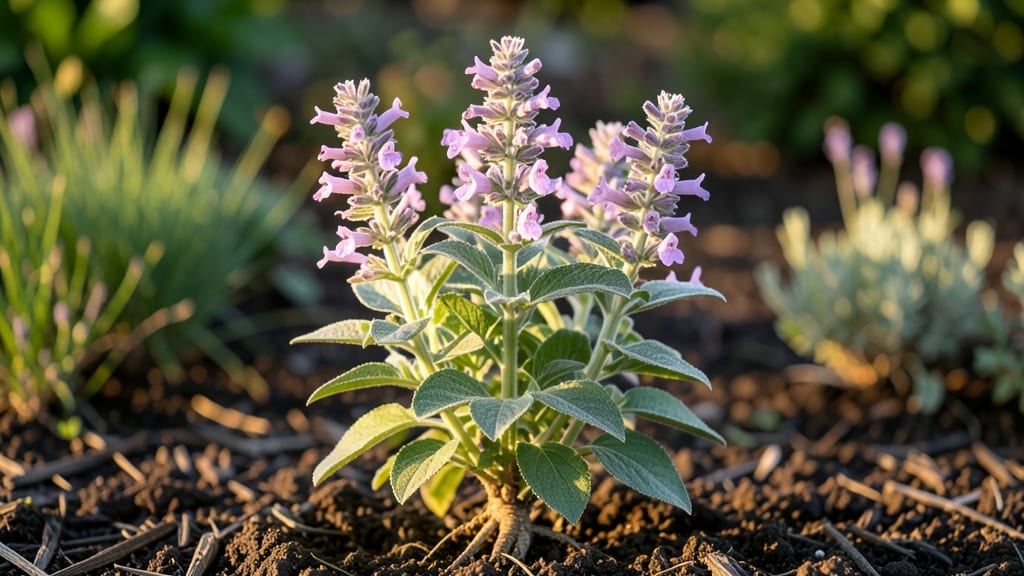
If you’ve ever wondered how tall does obedient plant grow before committing to a garden spot, here’s the key: this 🌿 Physostegia stays surprisingly tidy—typically reaching 2 to 4 feet at maturity, depending on variety and care.
Unlike some perennials that sprawl unpredictably, obedient plants earn their name by staying neatly contained, making them ideal for borders, containers, or cottage-style gardens.
For gardeners in USDA Zone 6a, where spring planting kicks off in April, choosing the right variety can make all the difference. Dwarf types like ‘Little Obie’ max out around 1 to 2 feet, while standard cultivars like ‘Miss Manners’ stretch toward 4 feet.
The good news? Their growth is predictable, so you can plan companion plants with confidence.
Want to keep your obedient plant on the shorter side? Pruning after flowering encourages bushier growth, while well-drained soil and partial shade help control height naturally. Whether you’re working with a compact garden or a sunny border, understanding these factors ensures your plant thrives without overpowering its neighbors.
Ready to add this easy-care perennial to your space? I’ll walk you through the best placement tips, pruning tricks, and companion plants to highlight its neat, vertical charm—no guesswork required.


Obedient plant height by variety: from dwarf to standard sizes
The obedient plant (Physostegia virginiana) is a garden favorite for its neat, upright growth and long-lasting blooms. Unlike sprawling perennials, it stays contained naturally, but its mature height varies dramatically by variety.
Understanding these differences ensures you choose the perfect cultivar for your garden space—whether a container garden or border planting. Let’s explore how tall obedient plants grow, from compact dwarfs to tall standards, and how to space them for maximum impact.
For gardeners planning vertical layers, knowing the height range of each variety is key. Some obedient plants stay under 2 feet tall, making them ideal for front-of-border planting, while others reach 4 feet or more, perfect for backdrop planting.
The spread also matters—some varieties sprawl 2 feet wide, while others stay clumped and compact. Below, we’ll break down the most popular cultivars, their mature sizes, and the ideal spacing for full, lush blooms.
Pro Tip: Always check the tag description when purchasing obedient plants, as nursery labels often specify mature height and spread. This small step saves you from crowding issues later! If you’re unsure, err on the side of more space—obedient plants thrive with room to breathe and produce more flowers when not overcrowded.
If you’re working with limited space, the 'Little Obie' and 'Vivid' varieties are my top picks. These dwarf obedient plants stay under 2 feet tall and 18 inches wide, making them perfect for container gardening or small urban plots.
Pair them with lavender or salvia for a low-maintenance pollinator-friendly combo. For larger gardens, the 'Sum & Substance' variety adds height and drama as a backdrop plant, especially when planted behind coneflowers or black-eyed Susans.
One common mistake I see is overcrowding obedient plants. Even compact varieties like 'Little Obie' need at least 10 inches of space to avoid competition for nutrients and reduced flowering. When planting, dig a hole twice as wide as the root ball but only as deep.
This encourages strong root establishment and prevents sinking over time. For taller varieties, like 'Sum & Substance,' stake them at planting if your garden gets
How to control obedient plant growth for compact gardens
The obedient plant (Physostegia virginiana) thrives in controlled spaces, but its growth can vary based on care. With the right techniques, you can keep it at your desired height range—whether you prefer dwarf varieties or standard sizes.
The key lies in pruning, soil management, and sunlight adjustments to encourage compact growth.
Start by understanding your plant’s natural growth habits. Most obedient plants reach 2–4 feet tall at maturity, but varieties like 'Little Obie' stay under 18 inches.
By mastering a few simple steps, you can guide its growth to fit even the tightest garden spaces without sacrificing those stunning lavender blooms.
Step-by-Step Guide to Compact Growth
-
1. Prune Regularly
Trim back one-third of the plant after flowering to encourage bushier growth. Use clean, sharp pruning shears and cut just above a leaf node to promote new shoots. -
2. Deadhead Spent Blooms
Remove faded flowers by pinching them off at the base. This redirects energy to foliage growth, keeping the plant dense and compact while extending the blooming season. -
3. Adjust Sunlight Exposure
For shorter growth, place your obedient plant in partial shade (4–6 hours of sun). Too much direct sun can elongate stems, while filtered light keeps it stocky and manageable. -
4. Amend the Soil
Mix in compost or organic matter to improve drainage and fertility. Well-fed plants grow more slowly but stay healthier and more compact over time. -
5. Water Consistently
Deep watering once a week encourages strong root development, which naturally limits excessive top growth. Avoid overwatering, which can lead to leggy stems.
Seasonal maintenance is just as important as initial pruning. In early spring, trim back any dead or overgrown stems to shape the plant and encourage fresh growth. By late summer, a light pruning can prevent the plant from becoming too tall before winter.
If your obedient plant still outgrows its space, consider dividing the roots every 3–4 years. This rejuvenates the plant, keeps it compact, and prevents overcrowding. Simply dig up the clump, separate the sections, and replant them in fresh soil.
With these techniques, your obedient plant will stay within your desired height limits while still producing those vibrant blooms. Compact growth isn’t just about cutting back—it’s about guiding the plant’s natural habits with care and attention to detail. 🌿