
Flowers
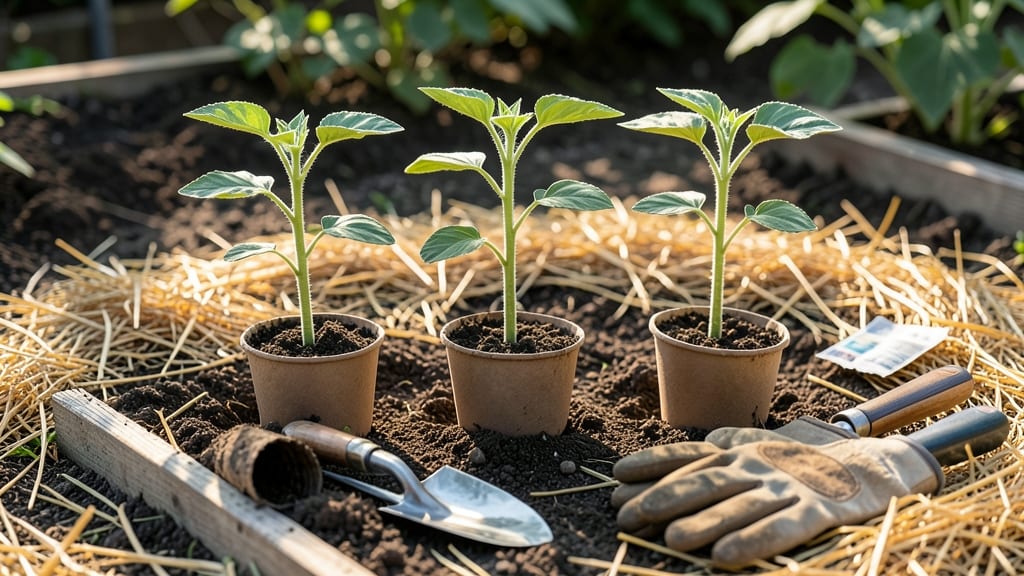
Planting sunflowers in Alabama isn't just about tossing seeds into the dirt—it's about catching the perfect window between frost and scorching heat to ensure those towering 🌻 blooms reach their full potential. Whether you're in Birmingham's 7a zone or Mobile's balmy 8b, timing matters more than you'd think.
Most gardeners in Alabama start sunflower seeds between mid-March and early July, but that wide range hides a crucial secret: soil temperature and frost dates create invisible deadlines.
Plant too early, and your seedlings might bolt in the heat; too late, and you'll miss the late summer harvest window when those golden faces turn toward the sun.
I'll break down exactly when to plant in your specific corner of the state, including how to adjust for sunflower varieties that mature in 55 days versus those that take 120+ days to reach their towering heights. No more guesswork—just sunflowers that thrive from your Alabama garden to your vase.
Ready to grow sunflowers that make your neighbors jealous? Let's dive into the heat zone map and frost-safe deadlines that will transform your planting season from hit-or-miss to consistently stunning.
Alabama sunflower planting dates by heat zone & frost deadlines
Alabama’s diverse climate—spanning USDA heat zones 7a to 8b—means your sunflower planting timeline depends heavily on where you live. In northern Alabama (7a), frost lingers until mid-April, while southern Alabama (8b) sees last frosts as early as mid-March.
These differences can mean the difference between bountiful blooms and frost-damaged seedlings.
Sunflowers (Helianthus annuus) thrive when planted after soil temperatures hit 50°F (10°C), ensuring quick germination. In Alabama, this typically aligns with late March to early April in most regions, but early March is safe in zone 8b.
Waiting too long risks bolting (premature flowering) or shorter stems from heat stress.
Here’s your heat zone-specific planting guide, including frost deadlines and ideal germination windows to maximize your sunflower’s potential:
For northern Alabama gardeners (7a), aim to plant sunflowers between late April and early June to avoid late frosts. In central Alabama (7b), you can start as early as mid-March in protected microclimates, but wait until soil warms to prevent rot from cold, damp soil.
Southern regions (8a-8b) offer flexibility—plant dwarf varieties in late February for early blooms or tall varieties in March for summer harvests.
Sunflowers are fast growers, with most varieties reaching maturity in 80-120 days. In Alabama’s heat, succession planting every 2-3 weeks ensures continuous blooms from summer to early fall.
For example, plant a batch in April for July blooms, then repeat in May for September flowers. This works especially well for cut flower gardens or birdseed production.
If you’re growing giant sunflowers (10+ ft), prioritize early planting (March-April) to give roots time to establish before Alabama’s summer heat sets in. Dwarf varieties (3-5 ft), however, can handle late summer plantings (June-July) and still thrive, making them perfect for fall harvests before the first frost in November.
Pro tip: Use a soil thermometer to confirm 50°F (10°C) soil temps
How to adjust planting time for sunflower varieties & mature height
Choosing the right planting time for sunflowers depends on whether you're growing dwarf varieties (3-5 ft) or giant cultivars (10+ ft). In Alabama, shorter sunflowers like 'Teddy Bear' (3-4 ft) can handle earlier spring plantings, while towering 'Mammoth' types (12+ ft) need warmer soil to thrive.
Fast-maturing varieties (55-70 days) like 'Autumn Beauty' can be sown as late as June 15 for fall blooms, while late-season giants (100+ days) need a March-April start to reach maturity before frost.
Alabama's USDA zones 7a-8b offer flexibility, but soil temperature is critical. Wait until the ground warms to 50°F (10°C)—this typically aligns with mid-March in North Alabama and early March in South Alabama.
For succession planting, stagger sowings every 2-3 weeks from March to June to enjoy continuous blooms through October. This works especially well for medium-height varieties (6-8 ft) like 'ProCut', which mature in 75-80 days.
| Variety Type | Mature Height | Days to Mature | Best Planting Window | Succession Tip |
|---|---|---|---|---|
| Dwarf (Teddy Bear) | 3-5 ft | 55-65 days | Feb 20 - Apr 15 | Plant every 2 weeks for summer-long blooms |
| Medium (ProCut) | 6-8 ft | 75-80 days | Mar 1 - May 1 | Stagger plantings every 3 weeks for cut flowers |
| Giant (Mammoth) | 10-14 ft | 100-120+ days | Mar 1 - Apr 15 | Single planting; needs full summer to mature |
| Late-Bloom (Autumn Beauty) | 5-7 ft | 80-90 days | May 15 - Jun 15 | Perfect for fall color; plant in late May |
For giant sunflowers, prioritize early planting to avoid stem weakness from Alabama's summer heat. Start seeds indoors 4-6 weeks before your last frost date if using 10+ ft varieties, then transplant after soil warms.
Use black plastic mulch to raise soil temperature 5-10°F faster, which helps giant varieties establish roots before extreme heat arrives. In contrast, dwarf sunflowers can tolerate cooler soils and even light frosts if planted in containers.
Succession planting is key for continuous blooms. In North Alabama, plant dwarf varieties every 2 weeks from March to June, while South Alabama gardeners can extend this to July 1.
For cut flower production, focus on medium-height varieties (6-8 ft) like 'ProCut', which mature in 75-80 days—ideal for staggered harvests. Always space giant sunflowers 18-24 inches apart to prevent stem lodging from Alabama's summer storms.
Adjust your planting schedule based on microclimates. Urban areas like Birmingham (Zone 7b) may experience earlier soil warming than rural Montgomery (Zone 8a). Monitor soil temperature with a soil thermometer—aim for 55°F (13°C) for optimal germination.
If planting late-season varieties like 'Autumn Beauty', choose a sheltered location to protect from hurricane winds that can snap tall stems before harvest.
Remember: Alabama's humidity speeds up sunflower growth, so fast-maturing varieties may bloom 2-3 weeks earlier than listed. Use this to your advantage by planting successive batches every 2 weeks for a non-stop floral display from June through October. For container growing, opt for dwarf or semi-d