
How To
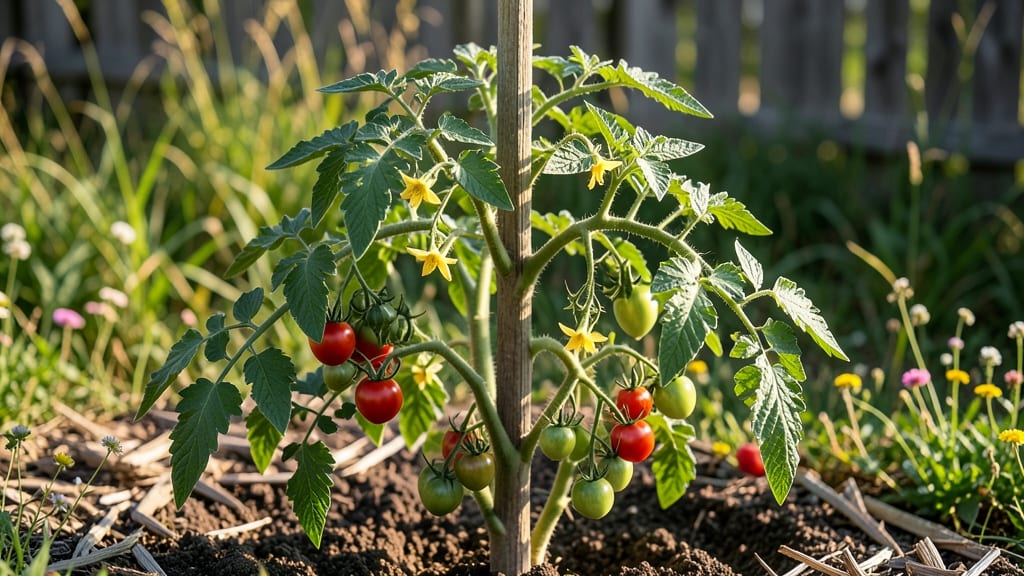
If you're planning your garden layout, knowing how tall your 🍅 tomato plants will grow can make or break your harvest—some varieties stretch skyward while others stay neat and compact.
The difference between a sprawling vine and a tidy bush often comes down to just two growth types: determinate and indeterminate.
Determinate tomatoes, like the classic Roma, top out around 3-4 feet, making them perfect for containers or small gardens. But indeterminate varieties? Those can climb to 6-10 feet or more, turning your garden into a vertical jungle if you're not prepared.
The right support—whether it's sturdy cages, trellises, or stakes—can save you from a tangled mess.
What most gardeners don’t realize is that even within these categories, heights vary wildly. A Sungold cherry tomato might stay under 5 feet, while a Brandywine can reach 8 feet without proper pruning.
Climate, pruning habits, and even your local soil can push plants taller or keep them shorter than expected.
Ready to pick the perfect tomato for your space? I’ll walk you through the height ranges, support needs, and pro tips to keep your plants thriving—no guesswork required.


Tomato plant height by variety: determinate vs indeterminate growth patterns explained
When planning your garden, understanding how tall your tomato plants will grow is essential for maximizing space and yield. The two main growth patterns—determinate and indeterminate—dictate everything from spacing to support needs.
Determinate varieties stop growing once they flower, while indeterminate types keep climbing until frost. This difference alone can change your entire garden layout strategy.
Determinate tomatoes typically reach 3 to 5 feet at maturity, making them ideal for small gardens or container growing. Their bushy growth habit produces fruit all at once, perfect for canning or sauces.
Indeterminate varieties, on the other hand, can stretch 6 to 12 feet or more, requiring sturdy trellises or cages to support their weight. These vining plants produce fruit continuously throughout the season.
Your choice between these growth types affects more than just height—it impacts harvest timing, disease management, and even pruning requirements. For example, determinate plants need less frequent pruning, while indeterminate varieties benefit from regular pinching to encourage stronger stems and better airflow.
Let’s dive into the key differences so you can pick the perfect varieties for your space.
If you’re working with limited space, determinate varieties like 'Roma' or 'Celebrity' are excellent choices. These plants mature quickly and produce fruit in clusters, making them perfect for container gardening or tight garden beds.
Their compact size also means less risk of disease spreading, as the foliage stays dense but manageable. For larger gardens or vertical spaces, indeterminate types like 'Sungold' or 'Brandywine' will thrive when given proper support.
Support structures play a critical role in managing height, especially for indeterminate tomatoes. Without proper trellising or staking, these plants can become top-heavy and prone to snapping. I recommend using 5-foot cages for medium-height varieties and tall trellises (8+ feet) for varieties like 'Cherokee Purple'.
For smaller spaces, consider floppy file cages or bamboo stakes, which are budget-friendly and easy to install.
Another key factor is pruning. Indeterminate tomatoes benefit from regular pruning to remove suckers (side shoots) and encourage stronger main stems. This not only controls height but also improves airflow, reducing the risk of blight and other fungal diseases.
Determinate varieties need minimal pruning—just remove any damaged or diseased leaves to keep the plant healthy. Always prune in the morning to allow wounds to heal before evening moisture sets in.
Climate also influences how tall your tomato plants will grow. In warmer regions, indeterminate varieties may grow taller and produce fruit later into the season. In cooler climates, you might see shorter growth overall, so choose early-maturing varieties to maximize your harvest.
For example, 'Early Girl' (indeterminate) grows well in shorter seasons, while 'Big Beef' (also indeterminate) thrives in long, hot summers.
When planning your garden, consider the maturity date alongside height. Some tall varieties, like 'Black Krim', produce fruit early but continue growing until frost. Others, like 'Better Boy', take longer to mature but reward you with massive, vine-ripened tomatoes.
Always check seed packets or plant tags for both height and days to maturity to ensure you’re choosing the right fit for your growing season.
For beginners, I’d recommend starting with a mix of both types to experience their differences firsthand. Plant a few determinate varieties in containers on your patio and a couple of indeterminate types against a trellis in your garden bed.
This way, you’ll see how spacing, support, and care differ—and which growth pattern you prefer for future gardens. Happy planting!
Best tall tomato varieties for vertical gardening and small spaces
When space is limited, tall tomato varieties become your best friend. These giants can reach heights of 6 to 12 feet, making them perfect for vertical gardening or small urban gardens.
Not only do they save space, but they also produce heavier yields when given proper support. The key is choosing the right variety and providing the right care to maximize their potential.
Indeterminate tomatoes are the stars of vertical gardens, as they grow continuously throughout the season. Unlike their determinate cousins, they don’t stop growing or fruiting at a certain height.
This makes them ideal for trellises, cages, or stakes. Below, I’ve highlighted the top varieties that thrive in vertical setups, along with practical tips to keep them growing strong.
- 🌱 'Sungold' – 8-12 feet: A cherry tomato that’s a vertical gardener’s dream. Its vines can climb trellises or fences effortlessly, producing sweet, golden fruit all season long.
- 🍅 'Brandywine' – 6-10 feet: A heirloom favorite with massive, beefsteak-sized tomatoes. Needs strong support like a wooden trellis or cage to handle its weight.
- 🌿 'Cherokee Purple' – 7-9 feet: Deep red, rich-flavored tomatoes that thrive on vertical stakes. Prune regularly to encourage airflow and fruit production.
- ✂️ 'Super Steak' – 6-8 feet: A hybrid that produces giant beefsteak tomatoes. Use a heavy-duty trellis to support its sprawling vines.
- 🪴 'Black Krim' – 5-7 feet: A unique, dark purple tomato that loves climbing. Perfect for small spaces with limited ground area.
To keep these tall varieties thriving, start with a strong support system. A wooden trellis or metal cage works well, but for heavier varieties like 'Brandywine', consider a freestanding arch trellis. Secure the main stem to the support early to prevent wind damage or stem breakage.
Pruning is another game-changer. For indeterminate varieties, remove suckers (the small shoots that form in the leaf axils) to direct energy toward fruit production rather than excessive foliage.
Leave 2-3 main stems for airflow and sunlight penetration. In small spaces, prune aggressively to keep plants compact but productive.
Sunlight is non-negotiable for tall tomatoes. Place your vertical garden in a spot with at least 6-8 hours of direct sun. If growing in containers, ensure the pot is large enough (at least 5 gallons) to support deep roots.
Mulch around the base to retain moisture and regulate soil temperature, which is especially important for heat-loving varieties like 'Sungold'.
With the right variety, support, and care, your vertical tomato garden can produce a bountiful harvest in even the smallest of spaces. Start with one of these tall varieties, and watch your tomatoes reach new heights—literally! 🌿