
Plants
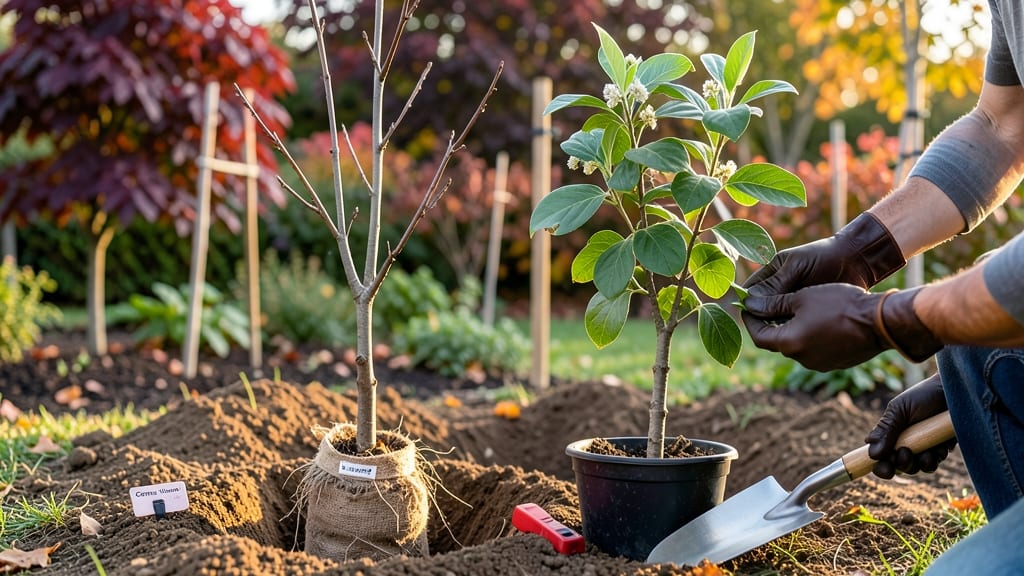
Planting a dogwood tree 🌳 in fall isn't just about timing—it’s about giving your tree a head start on survival. The right window (mid-to-late fall, about 4-6 weeks before frost) lets roots establish before winter, while the wrong timing can leave it vulnerable to cold stress.
Most gardeners overlook how chill hours play a role in root development, yet this is the secret to stronger growth. In USDA Zone 6a, where I garden, the ideal window falls between late September and early November—just before the ground freezes solid.
Why does this matter? Fall-planted dogwoods experience less competition from weeds and benefit from cooler temperatures, which reduce stress. But rush it too late, and you risk exposing tender roots to frost damage.
I’ll walk you through exactly how to time it right, from soil prep to winter protection, so your dogwood thrives from day one. Let’s get those roots growing strong before the cold sets in!
Optimal fall planting window for dogwood trees based on climate zones
Fall planting gives dogwood trees a head start on root development, but timing varies dramatically by USDA hardiness zone. Plant too early, and your sapling may struggle with summer heat before establishing roots.
Plant too late, and frost damage can kill new growth. The sweet spot? 4-6 weeks before ground freeze—but your exact window depends on where you live.
Dogwoods thrive when planted during their dormant season, allowing roots to grow without competing with summer foliage. Cooler fall temperatures also reduce transplant shock and help soil microbes work more efficiently.
However, late fall planting—especially in zones 3-5—can leave roots vulnerable to freeze-thaw cycles before they’ve had time to harden off.
Here’s how to pinpoint the perfect planting window for your region, including adjustments for early frosts and microclimates:
| USDA Zone | Ideal Planting Window | Regional Notes | Avoid Planting After |
|---|---|---|---|
| Zones 3-4 (Northeast, Midwest) | Mid-September to early October | Soil temps drop below 40°F; risk of early frost by mid-October | November 1 (ground freeze likely) |
| Zones 5-6 (Upper Midwest, New England) | Late September to mid-October | Wait until soil temps stabilize below 70°F; avoid planting after first frost | October 20 (frost risk increases) |
| Zones 7-8 (Southeast, Mid-Atlantic) | October to early November | Longer growing season; plant after humidity drops (late Oct) to reduce fungal risks | November 15 (soil may freeze) |
| Zones 9-10 (Deep South, Coastal) | November to early December | Mild winters; plant after first 50°F nights to encourage root growth | December 10 (risk of hard freeze) |
⚠️ Pro Tip: Check your local frost date averages (e.g., USDA Plant Hardiness Map) and plant 6 weeks before the last expected frost.
In the Northeast (zones 3-5), aim for mid-September to early October. This gives roots time to establish before winter, but avoid planting after October 15—soil temps drop too quickly, and roots may not harden off in time.
For example, in New York or Michigan, early October is ideal, while New England gardeners should plant by September 20 to avoid frost.
Southern gardeners in zones 7-9 have more flexibility. Planting in October or early November works well, as mild winters reduce frost risks. However, avoid late November in zone 7—soil can still freeze, especially in inland areas.
In Florida or coastal Georgia, you can even plant into early December, but monitor nighttime temps closely.
If you’re in a transition zone (6-7), like Virginia or the Carolinas, pay attention to microclimates. A north-facing slope may freeze earlier than a south-facing yard.
Err on the earlier side (late September) if your area has a history of early frosts. Use a soil thermometer to confirm temps are below 70°F before planting.
Late fall planting—after November 15—is risky because roots won’t have enough time to develop before ground freeze. In zone 5, this means planting after October 20 often fails.
The exception? Bare-root dogwoods planted in December (only in zones 7-10) can still root if soil isn’t frozen. Always water deeply before winter to protect roots.
To adjust for early frosts, use row covers or mulch heavily (4-6 inches) after planting. In zone 4, consider planting in containers and burying them in mulch for winter protection. For late frosts (common in zones 8-9), delay planting until mid-October to avoid heat stress on young roots.
Remember: The goal is to give your dogwood 6-8 weeks of root growth before winter dormancy. Use a moisture meter to check soil conditions—roots need consistent moisture
How chill hours determine dogwood root development in fall
Dogwood trees thrive when planted in fall because of a little-known secret: chill hours. These are the cumulative hours below 45°F (7°C) that trigger root dormancy and prepare the tree for winter. Without enough chill hours, your dogwood may struggle to establish roots before spring growth begins.
Most dogwood varieties need between 500-1,000 chill hours to break dormancy properly. In colder climates like USDA Zones 4-6, these hours accumulate naturally in fall and winter. But in milder zones (Zones 7-9), you may need to plant earlier or use artificial chilling methods like shade cloth.
Why chill hours matter: They signal the tree to stop active growth and focus on root development. Fall-planted dogwoods with adequate chill hours can establish 30-50% more roots before winter than spring-planted trees, giving them a head start for spring growth.
| Planting Method | Chill Hours Needed | Root Growth Rate | Best For Zones |
|---|---|---|---|
| Fall Planting (4-6 weeks before freeze) | 500-1,000 hours | 30-50% faster | 3-8 |
| Spring Planting (after last frost) | 0-200 hours | 10-20% slower | All zones |
| Fall Planting + Shade Cloth (for mild zones) | 300-500 hours | 25-40% faster | 7-9 |
To calculate your local chill-hour accumulation, check your USDA zone and use a chill-hour calculator (available from local extension offices). For example, in Zone 6, chill hours typically accumulate from mid-October to mid-March. In Zone 8, you might only get 300-400 hours, requiring earlier fall planting.
I recommend planting dogwoods in mid-to-late fall (typically 4-6 weeks before ground freezes) to ensure they receive enough chill hours. In warmer climates, you can extend the window by using shade cloth or frost blankets to simulate cooler temperatures and boost chill-hour accumulation.
By aligning your planting with local chill-hour patterns, you’ll give your dogwood the best chance to establish a robust root system before spring—setting the stage for years of vibrant blooms and lush foliage. 🌳