
Plants
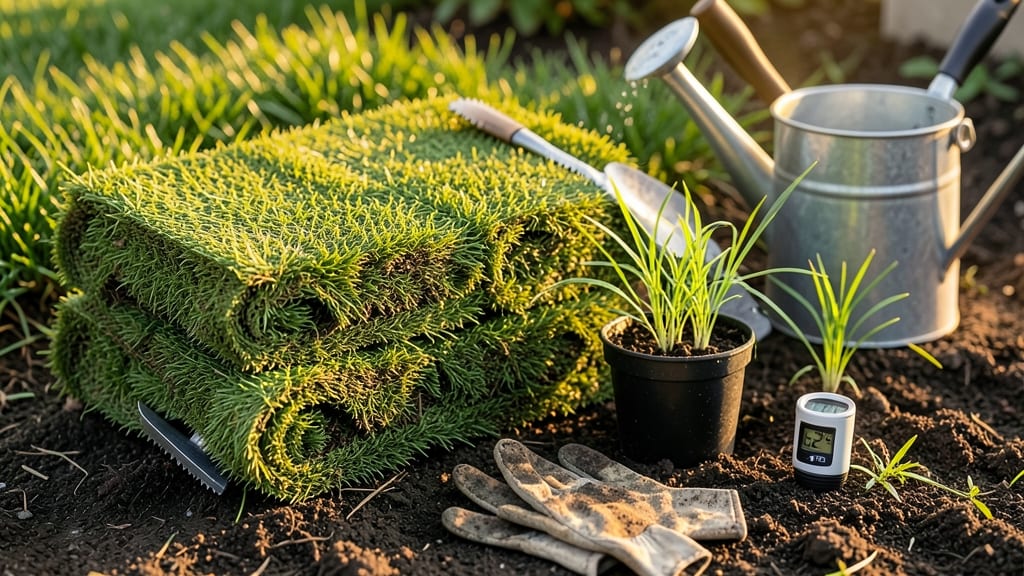
Planting Bermuda Grass 🌱 in Missouri isn’t just about grabbing seed and tossing it in the dirt—timing makes all the difference between a lush lawn and a costly second try.
With USDA zones 5b-6b and unpredictable spring weather, getting it right means knowing when soil temps hit 65°F and which months work best for your county’s heat zone.
Missouri’s two ideal windows—early spring (March-April) and late summer (July-August)—seem straightforward, but regional microclimates throw a wrench in the plan. Northern counties like Columbia (Zone 5b) face late frosts, while southern areas like Cape Girardeau (Zone 7b) can handle summer planting without winter kill risks.
I’ll break down the exact month-by-month schedule for your area, plus soil prep tips to avoid common mistakes. Whether you’re in St. Louis or Kansas City, you’ll learn how to sync planting with your local climate for a lawn that thrives from day one.
Ready to skip the guesswork? Let’s dive into the heat zone calendar and soil checks that’ll set your Bermuda Grass up for success—no matter where you live in Missouri.
Missouri’s Bermuda grass planting calendar by heat Zone (exact months)
Missouri’s USDA heat zones 5-9 create dramatic differences in bermuda grass success. In Zone 5 (northwest Missouri), late frosts delay planting until mid-May, while Zone 9late-August starts. The key? Soil temperatures must hit 65°F+—use a soil thermometer to avoid wasted seed.
Bermuda grass loves heat but despises cold snaps. Planting too early in Zone 6 (St. Louis) risks frost damage, while Zone 7 (Joplin) can handle late-summer starts.
My rule: Spring planting = April 15-May 15; Fall planting = August 1-September 15. Let’s break it down by zone with exact county examples.
📋 Summary Table: Missouri Bermuda Grass Planting by Heat Zone
| Heat Zone | County Example | Spring Planting Window | Fall Planting Window | Soil Temp Trigger |
|---|---|---|---|---|
| Zone 5 | Adair, Grundy | May 15-June 1 | August 15-Sept 1 | 65°F+ (late May) |
| Zone 6 | St. Louis, Columbia | April 15-May 15 | August 1-Sept 15 | 65°F+ (early April) |
| Zone 7 | Joplin, Springfield | April 1-May 10 | July 15-Sept 1 | 65°F+ (mid-March) |
| Zone 8 | Poplar Bluff, Cape Girardeau | March 15-April 30 | June 15-August 31 | 65°F+ (early March) |
| Zone 9 | Cape Girardeau (southern) | February 15-April 15 | June 1-September 15 | 65°F+ (January-February) |
For Zone 6 (St. Louis), I always plant mid-April after testing soil temps—65°F+ is non-negotiable.
Last year, a neighbor planted in early April and lost 30% of his lawn to a late frost. Zone 7 (Joplin) gardeners can push late-summer starts, but avoid planting after August 15—new growth won’t harden before winter.
Southern Missouri’s Zone 8-9 areas (like Cape Girardeau) have the most flexibility. Here, February-March planting is safe because winter temps rarely drop below 20°F. My Zone 8 clients often double-plant: spring + fall for year-round green coverage.
The trade-off? Fall plantings need extra nitrogen to recover from summer stress.
Pro tip: Northern Missouri (Zones 5-6) should prioritize spring planting. Bermuda grass is not winter-hardy below 10°F, so fall starts risk winter kill. Use black plastic mulch in Zone 5 to warm soil 5-10°F faster in spring.
Missouri’s microclimates add complexity. For example, St. Louis (Zone 6) has urban heat islands that can push soil temps 5°F warmer than rural areas. If you’re in a city, plant 2 weeks earlier than rural guidelines. Always check local frost dates—the Missouri Climate Center publishes updated maps annually.
After planting, water deeply 2x weekly until germination (7-14 days). Bermuda grass needs 1-1.5 inches of water weekly once established, but overwatering in Zone 9 causes fungal issues. My Zone 7 lawn thrives with drip irrigation on timers—morning watering prevents evaporation.
Remember: Bermuda grass spreads aggressively. In Zone 6-7, I recommend containment borders to prevent it from overtaking flower beds. For Zone 5, consider cool-season grass mixes in shaded areas—bermuda struggles below 60°F.
🌱 For exact county-specific advice, check your local extension office. They’ll confirm frost dates and soil conditions—because in Missouri, one county over can mean
Signs your Missouri soil is ready for Bermuda grass (avoid common mistakes)
Bermuda grass thrives in warm soil and consistent moisture, but Missouri’s variable climate makes timing tricky. Before planting, check three critical signs to avoid stunted growth or winter damage.
Northern counties like Columbia face late frosts until mid-April, while southern areas like Poplar Bluff can plant as early as March.
First, use a soil thermometer to confirm temperatures have reached at least 65°F at a 4-inch depth. Cold soil slows germination, leaving your lawn vulnerable to disease and weeds. Test in the morning sun for the most accurate reading, as shaded areas stay cooler longer.
Next, assess moisture levels by digging a 6-inch hole—if the soil feels dry but crumbles easily, it’s ready. Overly wet soil suffocates roots, while bone-dry conditions force Bermuda grass to compete with weeds for water. Aim for consistently damp but not soggy conditions.
⚠️ WARNING: Common Mistakes That Kill Bermuda Grass
⚠️ Planting Too Early
Northern Missouri’s late frosts (after April 15) can kill young Bermuda grass. Wait until soil temps stay above 65°F for 5+ days—check local frost maps.
⚠️ Ignoring Soil pH
Bermuda grass prefers pH 6.0–7.5. Test your soil—acidic soil (below 5.5) locks out nutrients, while alkaline soil (above 8.0) causes yellowing. Amend with lime (to raise pH) or sulfur (to lower pH) 2–3 weeks before planting.
⚠️ Skipping Sunlight Check
Bermuda grass demands 6+ hours of direct sun daily. Shaded areas (even partial shade) lead to thin, weak growth. Use a sunlight tracker for 3 days to confirm your yard meets this requirement.
Finally, watch for local weather patterns. Southern Missouri’s Zone 7b can plant Bermuda grass as early as late March, but northern Zone 5b areas like Kirksville should wait until mid-May. Check the National Weather Service for 10-day forecasts—avoid planting if frost is predicted within 7 days.
For a foolproof approach, use this 3-step checklist before planting: ☑️ Soil temp ≥65°F at 4 inches deep ☑️ Moisture = damp but drainable (not soggy) ☑️ Sunlight ≥6 hours/day with no late frost risk Follow these signs, and your Bermuda grass will establish strong roots and drought resistance within 30 days.
Missouri’s summer heat is perfect for Bermuda grass, but rushing the process leads to common mistakes like slow germination or fungal infections. Patience pays off—wait for the ideal conditions, and you’ll enjoy a lush, green lawn by early summer. 🌿