
How To
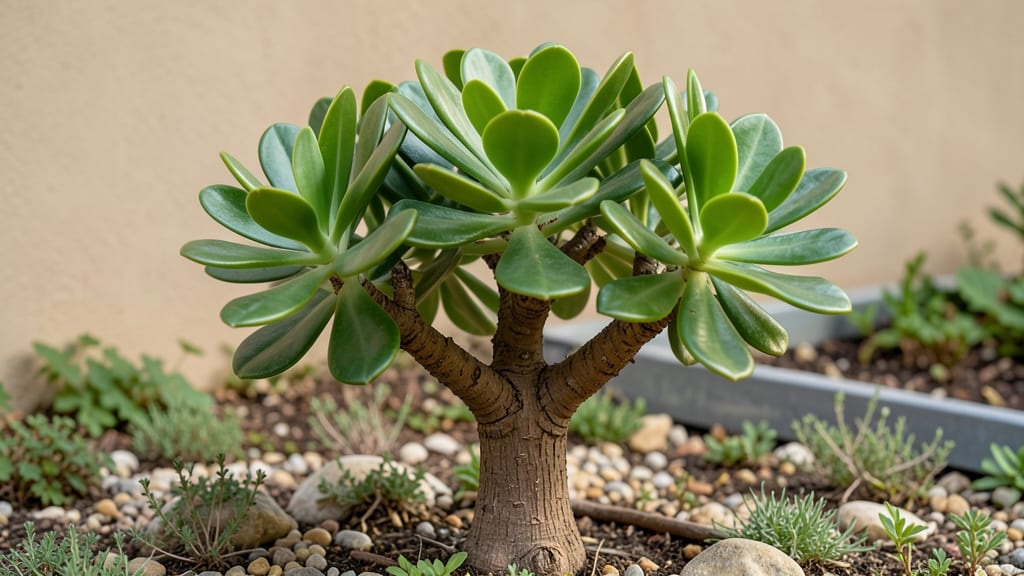
If your 🌿 jade plant how much light needs is the real mystery behind its stretchy, sun-starved growth, you’re not alone—light is the most misunderstood need for these plump-leaved beauties. Too little, and they grow leggy; too much, and those pretty leaves turn crispy.
The secret to keeping your jade plant thriving isn’t guesswork—it’s about hitting that sweet spot of bright indirect light for 4 to 6 hours daily.
Most beginners assume jade plants love full sun, but the truth is, they’re more like sun-worshippers with a sunburn risk. A south-facing window might feel like a tanning bed to your plant, while a north-facing spot could leave it weak and stretched.
The key is mimicking their natural habitat—dappled shade under trees—so I’ll show you exactly where to place yours for that perfect balance.
Whether you’re dealing with a sunburned leaf or a plant that’s growing toward the light like a zombie, I’ve got the fixes.
We’ll cover how to adjust your setup for winter’s weaker sunlight, when to bring your jade plant outside safely, and even how to use grow lights if natural light just isn’t cutting it. Let’s get your plant back to its happy, bushy self.
By the end, you’ll know not just how much light your jade plant needs, but how to tell if it’s getting the right amount—no more guessing, just lush, healthy growth. Ready to unlock the secret?
How many hours of light does a jade plant need daily?
A jade plant (Crassula ovata) thrives on bright, indirect sunlight—the sweet spot for photosynthesis without scorching those coveted plump leaves. While they’re succulents and love light, they’re not desert plants craving 24/7 sun.
Think of them as sunbathers who prefer a morning tan over a midday bake. The ideal daily light exposure falls between 4 to 6 hours, but this varies by season and your plant’s location.
Too little light? Your jade will stretch toward the nearest window, growing leggy and weak with pale leaves. Too much? Watch for sunburned patches or crispy edges—signs your plant is getting a harsh dose of direct afternoon sun.
The key is balancing light intensity and duration, especially indoors where windows can distort natural light patterns.
🌱 Summary Table: Jade Plant Light Requirements
| Light Requirement | Ideal Duration | Seasonal Adjustments | Indoor Light Source |
|---|---|---|---|
| Minimum Light | 4 hours | Winter: Reduce to 3-4 hours | East-facing window |
| Optimal Light | 4-6 hours | Spring/Fall: 5-6 hours | South-facing window (filtered) |
| Maximum Tolerance | 6-8 hours | Summer: Acclimate gradually to 6+ hours | Grow light (12-14 hrs/day) |
| Danger Zone | >8 hours direct | Year-round: Avoid harsh afternoon sun | None (risk of sunburn) |
In spring and fall, when sunlight is gentler, your jade plant can handle 5 to 6 hours of bright light daily—perfect for an east- or west-facing window. But during summer’s intense midday sun, even outdoor jades need afternoon shade to prevent leaf damage.
Think of it like sunscreen for plants: morning sun is safe, but afternoon rays are the enemy.
Measuring light isn’t just about hours—it’s about light quality. A north-facing window might give you 8 hours of dim light, while a south-facing window delivers 4 hours of intense rays.
Use a light meter (or the shadow test: if your hand’s shadow is shorter than your fingers, the light is too strong) to gauge intensity. For indoor setups, LED grow lights with a cool white spectrum (5000-6500K) mimic natural light best.
Outdoors, jade plants love partial sun—think 3 to 4 hours of morning sun followed by dappled shade. If you’re transitioning your plant from indoor to outdoor, acclimate it slowly over 1-2 weeks to avoid sun shock.
Start with 1 hour of outdoor light, then gradually increase by 30 minutes daily until it’s ready for full exposure.
Artificial light can bridge gaps, especially in low-light winter months. A 12- to 14-hour photoperiod with a grow light keeps your jade thriving when natural light fades.
Place the light 6-12 inches above the plant and adjust the height as it grows. Fluorescent bulbs are budget-friendly, but full-spectrum LEDs deliver better results for leaf health and compact growth.
Watch for seasonal shifts—winter’s shorter days mean your jade might need supplemental light to maintain its compact, bushy form. If leaves start stretching (etiolation), it’s a cry for more light.
Conversely, yellowing or crispy edges signal too much direct sun. The goal is consistency: jade plants prefer stable light conditions over dramatic changes.
Pro tip: Rotate your jade plant quarter-turns weekly to ensure even light exposure on all sides. This prevents lopsided growth and keeps those thick, jade-green leaves uniform. And remember—patience is key.
A jade plant’s slow, steady growth is a sign it’s happy in its light conditions. Too much rushing leads to stress and decline, so let it set its own pace.
🌿 Whether you’re battling a dim office window or blazing summer sun, your jade plant’s light needs boil down to balance: enough to thrive, but not so much it fries. Master this, and you’ll reward yourself with a lush, healthy plant that’s the star of your space.
Signs your jade plant isn’t getting the right light (and how to fix it)
Your jade plant might be silently screaming for help if its leaves are turning yellow or stretching toward the light like a sleepy cat. These are classic signs your succulent isn’t getting the bright indirect light it craves.
Without the right light, even the hardiest jade plant will struggle to maintain those thick, plump leaves and vibrant green color.
Jade plants thrive in 4-6 hours of morning sunlight daily, but they can’t handle harsh afternoon rays. Too little light causes leggy growth, while too much leads to sunburned patches that look like someone drew on them with a marker.
Let’s diagnose the problem and fix it before your plant throws in the towel.
⚠️ Light Crisis Checklist
Check these 5 signs to diagnose your jade plant’s light issues:
- Stretched stems (reaching for light) = Underlighting
- Pale or yellow leaves = Too little light
- Brown patches on leaves = Sunburn from too much direct sun
- Leaning growth toward one side = Light source imbalance
- Slow growth or no new leaves = Light deprivation
Action: Move your plant to a bright, indirect spot (like an east-facing window) and rotate it weekly for even growth.
If your jade plant is stretching toward the window, it’s begging for more light. This condition, called etiolation, happens when plants grow tall and weak in search of sunlight.
To fix it, move your plant closer to a sunny window or supplement with a grow light for 6-8 hours daily. A simple LED grow light costs under $20 and can save your plant from a leggy fate.
On the flip side, sunburned leaves with crispy brown edges mean your jade plant is getting too much direct sunlight. This often happens when placed in a south-facing window or left in hot afternoon sun.
The fix? Move your plant 3-4 feet back from the window or use a sheer curtain to diffuse the light. Jade plants can handle morning sun but need protection from the intense afternoon rays.
For indoor growers, grow lights are a game-changer. A full-spectrum LED light placed 6-12 inches above your jade plant for 12-14 hours daily mimics natural sunlight perfectly. Brands like Spenon or Barrina offer affordable options under $30 that work wonders for succulents.
Just remember: more light = better growth, but never leave the light on 24/7—your plant needs rest too!
Pro tip: Rotate your jade plant every 2-3 weeks so all sides get equal light exposure. This prevents lopsided growth and ensures your plant stays compact and bushy.
If you notice new growth leaning, it’s a clear sign your plant is chasing light—time to adjust its spot or add a grow light!
With the right light, your jade plant will reward you with thick, glossy leaves and a sturdy, compact shape. Keep an eye on those leaves—they’re your plant’s way of communicating its needs.
Give it the bright indirect light it loves, and you’ll have a thriving jade plant for years to come. 🌿