
Plants
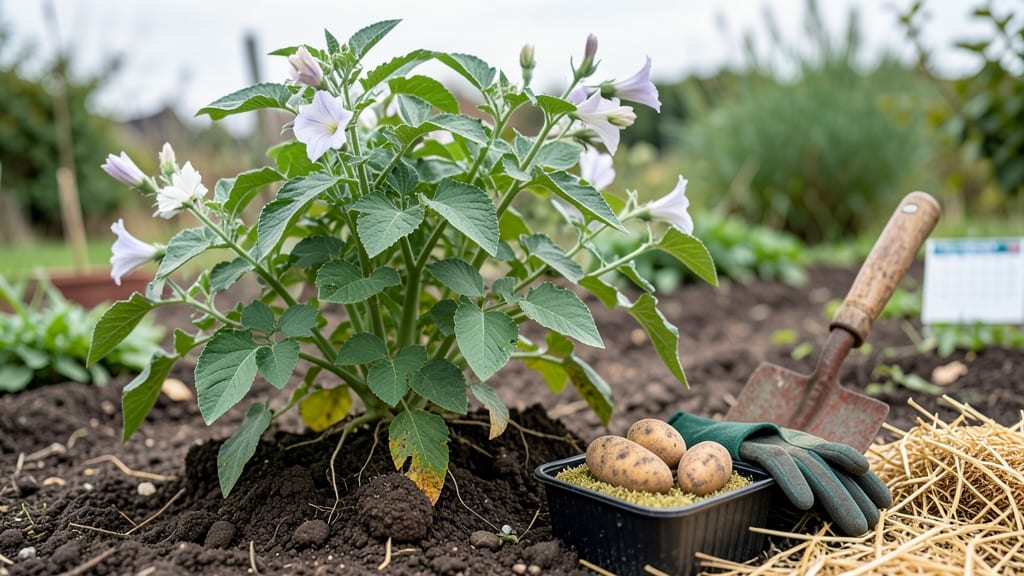
Planting potatoes in Zone 5 at the wrong time could mean the difference between a bountiful harvest of crisp 🥔 or a sad, frost-nipped failure.
The key isn't just guessing when to stick those spuds in the ground—it's knowing exactly when your soil warms enough and your last frost date falls.
For Zone 5 gardeners, timing matters because cold soil slows germination, and frost will kill tender sprouts. Most varieties thrive when planted 2-4 weeks before your last frost date, typically between early March and mid-April.
But here's the catch: not all potatoes are created equal—early varieties like Yukon Gold can handle cooler soils, while late varieties need warmer temperatures to avoid rot.
I've learned the hard way that planting too early means wasted seed potatoes, and planting too late cuts your harvest window short. The solution? A simple strategy: test soil temperature (aim for 45-50°F), adjust for your sub-region (5a vs. 5b), and use cold-hardy varieties if spring drags on.
Let me walk you through the exact steps to get it right every time.
Whether you're a first-time gardener or a seasoned pro, these insights will help you maximize your potato yield—no more guessing, no more lost crops. Ready to dig in? Let's make this your best potato season yet.
Zone 5 potato planting schedule: exact weeks before last frost for maximum yield
Getting your potatoes in the ground at the right time is the secret to a bountiful harvest in Zone 5. Unlike warmer climates, we have to work around unpredictable last frost dates and cool soil temperatures.
Plant too early, and frost will kill tender sprouts; too late, and you’ll miss the 90-day growth window most varieties need. The key is timing your seed potatoes for soil temperatures between 45-50°F and planting 2-4 weeks before frost—but not so early that they rot in cold soil.
Zone 5 spans two sub-regions: 5a (colder, shorter season) and 5b (warmer, slightly longer). Your last frost date can vary by 1-2 weeks between them, so knowing your exact sub-region is critical.
For example, in 5a (like Minneapolis), the average last frost is May 10, while in 5b (like Chicago), it’s May 15. Planting too early in 5a risks frost damage, while 5b gardeners can start slightly sooner.
Here’s the golden rule: Aim to plant 4-6 weeks before your last frost date, but wait until the soil warms to 45°F at least 6 inches deep. In Zone 5, this typically lands in late March to early April for most varieties.
Cold-hardy types like Yukon Gold can handle slightly earlier planting, while heat-loving Red Pontiac needs warmer soil.
For Zone 5a gardeners, I recommend starting with cold-hardy varieties like Kennebec or Russian Banana as early as mid-March, even if the soil is still chilly. These varieties tolerate 40°F soil and can handle a light frost.
In contrast, Zone 5b gardeners have more flexibility and can plant Yukon Gold or Red LaSoda by late March without risking frost damage.
Pro tip: Use a soil thermometer to check temperatures before planting—45°F is the magic number for most varieties. If the ground is still too cold, wait another week. Cold soil slows germination, and soggy, rotting seed potatoes are a heartbreaking waste of time.
I’ve learned this the hard way after planting too early in Zone 5a and losing half my crop to rot!
Don’t forget about fall planting for a second harvest! In Zone 5b, you can plant early-maturing varieties like Red Norland in late July for a harvest before the first frost. These potatoes need only 70
How to adjust planting time for early vs. late potato varieties in Zone 5
Not all potato varieties thrive under Zone 5’s unpredictable spring weather. Cold-hardy types like Yukon Gold and Kennebec can handle early planting, while heat-sensitive varieties like Red Pontiac and Fingerlings need warmer soil to avoid rot.
Staggering your planting schedule lets you extend your harvest window from July to September, ensuring fresh spuds all summer long.
Your success hinges on soil temperature—not just air temperature. For early varieties, aim to plant when soil reaches 45°F (7°C), about 2-4 weeks before your last frost date. Late varieties, however, should wait until soil hits 50°F (10°C), closer to 2 weeks before the last frost.
This timing difference can mean the difference between a thriving crop and a failed one.
| Variety Type | Cold Tolerance | Ideal Planting Time | Soil Temp Requirement | Harvest Window |
|---|---|---|---|---|
| Cold-Hardy (Early) | High (40-45°F) | 2-4 weeks before last frost | 45°F (7°C) | July-August |
| Heat-Sensitive (Late) | Low (50°F+) | 2 weeks before last frost | 50°F (10°C) | August-September |
| Examples | Yukon Gold, Kennebec | Red Pontiac, Fingerlings | — | — |
Avoid the common mistake of planting too deep or too shallow. Cold soil can stunt early varieties, while overly warm soil may cause late varieties to rot.
Bury seed potatoes 4 inches deep in loose, well-draining soil, with 12 inches between rows. This spacing gives tubers room to grow without competing for nutrients.
For a continuous harvest, plant early varieties first (late March to early April), then follow with mid-season types (mid-April), and finally late varieties (early May). This staggered approach ensures you’ll have potatoes ready to dig every 2-3 weeks throughout summer.
Just be sure to hill soil around stems as plants grow to protect tubers from light exposure.
If your spring is particularly chilly, consider chitting your seed potatoes indoors 4-6 weeks before planting. Place them in a bright, cool spot (around 55°F) with sprouts facing up. This jumpstarts growth, giving cold-hardy varieties a head start in Zone 5’s unpredictable climate.
Remember, the key to success is soil temperature, not just calendar dates. Use a soil thermometer to confirm conditions before planting—this small investment can save your entire crop from frost damage or rot. With the right timing, you’ll enjoy homegrown spuds from July through September!