
Plants
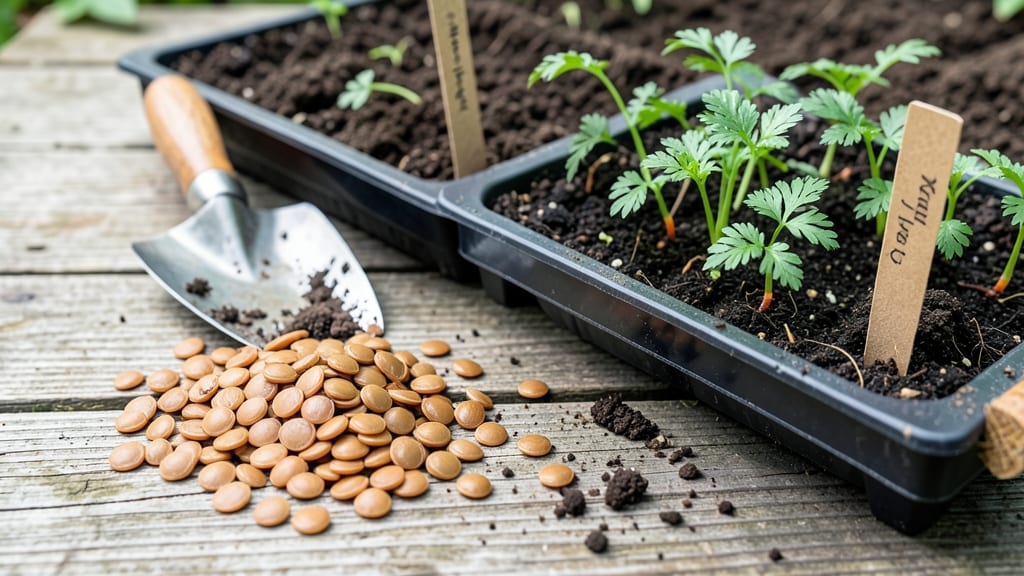
Best planting windows for carrots in Zone 7a (avoid bolting and frost)
Zone 7a’s mild winters and hot summers create unique challenges for growing carrots. The key is planting when soil temperatures stay between 45°F and 85°F—too cold, and seeds won’t germinate; too hot, and they’ll bolt prematurely. My foolproof schedule balances these extremes for crisp, sweet roots all season.
Carrots thrive in cool-season conditions but struggle with extreme heat. In Zone 7a, the primary planting windows are early spring and late summer, with a fall option for extended harvests. Let’s break down the exact timing to avoid bolting and frost damage.
For early spring planting, aim for March 15–April 15 after the last frost date (typically March 15 in Zone 7a). Soil should be workable but not frozen, and daytime temps should stay below 70°F. Use shade cloth if temps spike unexpectedly to delay bolting.
My late summer window (July 15–August 15) is critical for avoiding bolting. Plant short-day varieties like ‘Paris Market’ or ‘Little Finger’ to tolerate heat better. Water deeply in the morning to keep soil moist and roots cool.
Fall planting in early September gives you a second harvest before frost. Choose cold-hardy varieties like ‘Danvers’ or ‘Chantenay’ and use row covers if temps drop below 40°F. Harvest before the first frost (November 15) for the sweetest roots.
Avoid planting in late spring (May–June) unless you’re using shade cloth. Soil temps often exceed 80°F, triggering bolting. Instead, opt for successive plantings every 2–3 weeks in spring or fall to stagger harvests.
To prevent bolting, monitor soil temps with a soil thermometer. Keep temps below 75°F by watering consistently and mulching with straw. If your carrots start flowering, harvest the roots immediately—they’ll be smaller but still edible.
Zone 7a’s humidity can also stress carrots, leading to forked roots or diseases. Improve drainage by amending soil with compost and sand. Raised beds work well for loose, stone-free soil, which carrots crave.
Pro tip: Direct-sow seeds—carrots hate transplanting. Space them 1/4 inch deep and 2 inches apart, then thin to 3 inches when seedlings are 2 inches tall. This prevents overcrowding and ensures straight, crisp roots.
With these timing adjustments, you’ll enjoy harvests from June through November—no bolting, no frost damage, just perfect carrots all season. Happy planting!
How to extend your carrot harvest: successive planting strategies for Zone 7a
Want a steady supply of sweet, crisp carrots all season? The secret is successive planting—a simple strategy to avoid harvest gaps. In Zone 7a, where summers are hot and winters mild, timing your plantings just right ensures you enjoy fresh carrots from spring through fall.
The key is spacing out sowings every 2-3 weeks to keep roots growing while others mature.
Start with bolt-resistant varieties like ‘Danvers Half Long’ or ‘Nantes’—they handle Zone 7a’s heat better than delicate types. These varieties also tolerate thinning (a must for straight roots) and perform well in both spring and fall.
Before you begin, loosen your soil to 12 inches deep—carrots need room to grow without forking or splitting.
Here’s your step-by-step schedule to maximize harvests without overcrowding:
Sow seeds 1/4 inch deep in well-draining soil. Use a row cover if nights dip below 40°F to prevent bolting. Thin seedlings to 2–3 inches apart when they’re 2 inches tall.
Plant every 2 weeks until May 15. Space rows 12 inches apart to allow airflow and reduce disease risk. Mulch with straw to retain moisture and suppress weeds.
Shift to shorter-day varieties like ‘Paris Market’ for fall harvests. Water deeply in the morning to avoid fungal issues. Harvest spring-planted carrots as they mature, leaving space for summer crops.
Plant every 3 weeks until September 15 for a late harvest. Use black plastic mulch to warm soil and extend the season. Stop planting by October 1 to avoid frost damage.
Pro tip: Keep a planting journal to track which varieties perform best in your Zone 7a microclimate. For example, ‘Rainbow’ carrots thrive in my garden’s partial shade, while ‘Chantenay’ bolts faster in hot spells. Adjust your schedule based on these notes each year for even better results.
With this method, you’ll enjoy fresh carrots from May through October—no gaps, no waste. Just remember: consistent moisture and thinning are your best friends for straight, sweet roots every time. Happy planting!