
Plants
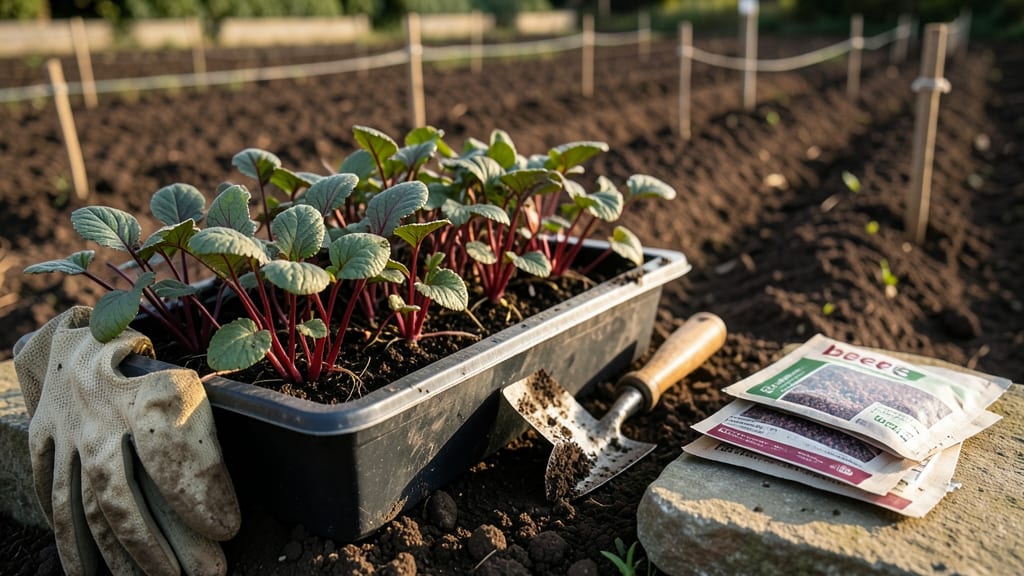
Timing your beet planting in Illinois can make or break your harvest—get it wrong, and you’ll end up with bitter, tough roots instead of the crisp, sweet 🍠 gems you’re craving.
The key is planting at the right moment, whether you’re aiming for a spring bounty or a fall feast, because Illinois’s variable climate (USDA zones 5-6) demands precision.
Most gardeners in Illinois know the basics: start seeds in early spring or late summer, but the exact dates matter more than you think. Planting too early risks frost damage, while waiting too long means summer heat turns your beets woody.
I’ll break down the perfect weeks before last frost for both seasons, plus how to adjust for Illinois’s northern vs. southern microclimates.
You’ll also discover how succession planting can stretch your harvest from June through November—no more gaps between crops! Whether you’re a first-time gardener or a seasoned pro, these insights will help you grow beets that are juicy, tender, and ready to harvest at their peak.
Let’s dive into the exact schedule, soil prep tips, and variety choices that work best for Illinois gardens. Your next perfect beet harvest starts here!
Illinois beet planting schedule: exact weeks before last frost for peak harvests
Beets thrive in Illinois' cool spring and fall seasons, but planting too early or late can lead to woody roots or bolting. The key is timing your sowing 4-6 weeks before the last expected frost in your USDA Zone 5-7 area.
For northern Illinois (Zone 5), this means starting seeds by mid-March to early April, while southern Illinois (Zone 7) can begin as early as late February.
Soil temperature is just as critical as frost dates. Beets germinate best in soil that's at least 45°F (7°C). Use a soil thermometer to confirm—cold soil delays germination and attracts pests.
In my Zone 6 garden, I wait until soil warms to 50°F (10°C) before planting, which usually aligns with mid-April for spring crops.
| Zone | Last Frost Date | Spring Planting Window | Fall Planting Window | Soil Temp Requirement |
|---|---|---|---|---|
| Zone 5 (Northern IL) | April 15 | March 15 - April 15 | August 1 - September 15 | 45°F+ (7°C+) |
| Zone 6 (Central IL) | April 1 | March 1 - April 15 | July 30 - September 15 | 45°F+ (7°C+) |
| Zone 7 (Southern IL) | March 15 | February 20 - April 1 | July 15 - October 1 | 45°F+ (7°C+) |
For baby beets (harvested at 1-2 inches), you can plant 2-3 weeks earlier than full-sized roots. These quick-maturing varieties like 'Babybeat' tolerate cooler soil and give you harvests in just 30-40 days.
I often start a succession planting every 2 weeks from March through May to ensure a continuous supply.
Fall planting is equally important for a second harvest before winter sets in. Aim to sow seeds 8-10 weeks before your first frost date. In Zone 6, this means late July to early September.
Beets planted in late summer often produce sweeter, more tender roots because they grow quickly in cooler weather.
Transplants are not recommended for beets—they develop woody roots when disturbed. Instead, sow seeds directly in the garden at ½-inch depth, spacing them 1-2 inches apart in rows 12-18 inches apart. Thin seedlings to 3-4 inches apart when they're 2 inches tall to prevent competition.
If you're growing storage beets like 'Detroit Dark Red', plant them 6-8 weeks before the first hard frost. These varieties mature slower and need 50-60 days to reach harvest size.
In my garden, I plant storage beets by mid-August to harvest before October 15—just in time for root cellar storage.
Extend your harvest window with row covers or cold frames in early spring or late fall. These protect tender seedlings from late frosts and early cold snaps, allowing you to plant 2-3 weeks earlier in spring or 3-4 weeks later in fall.
Just remove covers when soil warms to 50°F (10°C) to prevent overheating.
Remember: Consistent moisture is key during germination. Keep soil evenly moist (not soggy) until seeds sprout, which typically takes 7-14 days. Once established, beets are drought-tolerant but produce best-quality roots with 1 inch of water per week.
Mulch with straw or grass clippings to retain moisture and suppress weeds.
By following these zone-specific timelines and soil temperature guidelines, you'll enjoy crisp, sweet beets from early summer through fall—with minimal woody or bitter roots. Happy planting!
How to adjust beet planting for Illinois weather: heat tolerance and bolting risks
Illinois summers can push beet plants to bolt—sending them from sweet roots to bitter greens—if you don't adjust planting strategies. The key is balancing heat tolerance and cool-season preferences by using shade, watering tricks, and strategic timing for fall harvests.
Beets thrive in 55-75°F soil temps, but Illinois summers often exceed 80°F, triggering bolting. Even heat-resistant varieties like Boltardy need protection when daytime temps hit 85°F+. Late summer plantings (after August 15) benefit from cooler fall air, extending your harvest window.
⚠️ WARNING: Avoid planting beets in Illinois when:
⚠️ Daytime highs hit 90°F+ without shade
⚠️ Dry spells last >5 days (bolting risk increases)
⚠️ Planting after July 1 for spring harvests (too late for maturity)
For summer plantings, use 30-40% shade cloth to lower soil temps by 10-15°F. Install it 2-3 feet above plants to maintain airflow—beets need 6+ hours of sunlight daily. Water deeply twice weekly (1-1.5 inches total) during heatwaves, focusing on soil moisture rather than foliage.
Late-summer plantings (August 15-September 30) succeed because Illinois' first frost typically arrives October 15. Aim for varieties with 50-55 day maturity (like Detroit Dark Red) to harvest before cold sets in. Succession plant every 2 weeks for continuous fall harvests.
Mulch with 2-3 inches of straw to retain moisture and block heat. Avoid synthetic mulches—they trap heat. If your garden gets consistent 90°F+ days, consider growing beets in raised beds with drip irrigation for precise water control.
Always harvest beets when roots reach 1-3 inches in diameter—larger roots become woody. In Illinois, this means pulling spring beets by mid-July and fall varieties by early November before hard frost. Store harvested beets in cool, dark conditions (40-50°F) for winter use.