
Companion Plants
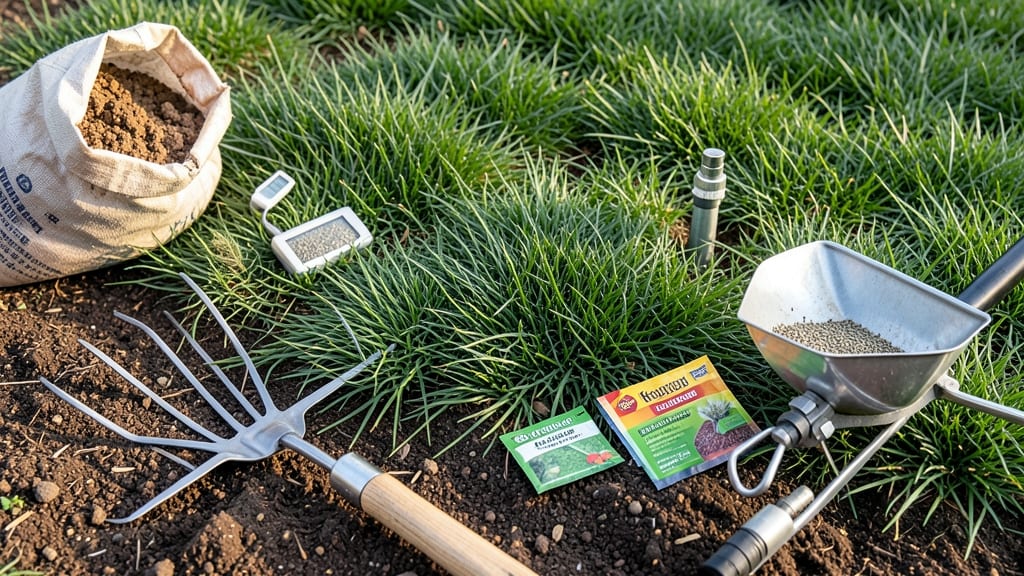
Planting grass seed in Colorado isn't just about grabbing a bag and scattering it—it's about catching the perfect window when your 🌱 will thrive, not just survive. The wrong timing could mean waiting months for germination, battling unpredictable mountain frost, or watching your seed blow away before roots take hold.
Most gardeners assume "spring" is the only answer, but Colorado's microclimates—from the Front Range to the Eastern Plains—create wildly different deadlines. What works in Denver might fail in Grand Junction, and elevation changes can shift your ideal planting date by weeks.
The key? Soil temperatures between 50-65°F and knowing your last frost date.
I've tested these strategies across Colorado's zones, and what I'm about to share will help you avoid the most common mistakes—like planting too early when frost lingers or too late when summer heat dries out new shoots.
Whether you're seeding a lawn from scratch or repairing bare patches, timing is everything.
Let's break down exactly when to plant in your specific corner of Colorado, plus the pro tips that make all the difference between a patchy lawn and a lush, green carpet by summer.
Colorado’s grass planting zones: exact dates by region (Front Range vs. mountains vs. Eastern Plains)
Colorado’s diverse geography means one planting date doesn’t fit all. The Front Range (Denver, Boulder) has earlier frost-free windows than the Rocky Mountains, while the Eastern Plains (Pueblo, Colorado Springs) often see warmer soil sooner.
Cool-season grasses like Kentucky bluegrass and tall fescue dominate, but warm-season Bermuda thrives in lower elevations. Let’s break down the exact windows for each region.
Timing depends on soil temperature (ideal: 50–65°F for cool-season grasses) and frost risk. In the Front Range, last frost typically falls between March 15–April 15, while mountain areas (e.g., Aspen, Breckenridge) can wait until late May.
The Eastern Plains often see earlier soil warming, allowing February–March planting for drought-resistant varieties.
Here’s the region-by-region breakdown of optimal planting windows, including cool-season vs. warm-season grasses and elevation adjustments:
| Region | Grass Type | Optimal Planting Window | Soil Temp Threshold | Key Notes |
|---|---|---|---|---|
| Front Range (Denver, Boulder) | Cool-Season (Kentucky Bluegrass, Fescue) | March 15–April 30 | 50–65°F | High frost risk; avoid late spring planting. |
| Front Range (Denver, Boulder) | Warm-Season (Bermuda, Buffalo Grass) | Late May–June 15 | 65–75°F | Requires consistent moisture; drought-prone. |
| Rocky Mountains (Aspen, Breckenridge) | Cool-Season (Fescue, Ryegrass) | Late May–June 15 | 45–55°F | Short growing season; use fast-germinating seeds. |
| Eastern Plains (Pueblo, Colorado Springs) | Cool-Season (Tall Fescue, Bluegrass) | February 15–March 30 | 50–60°F | Warmer microclimate; drought-resistant varieties preferred. |
| Eastern Plains (Pueblo, Colorado Springs) | Warm-Season (Buffalo Grass) | April 15–May 30 | 60–70°F | Low water needs; ideal for arid conditions. |
For Front Range gardeners, March–April is prime for cool-season grasses, while late May–June suits warm-season types. In the Rocky Mountains, wait until after May 15 to avoid late frosts, which can kill young seedlings.
The Eastern Plains offer earlier windows, but drought conditions demand drought-tolerant varieties like tall fescue or buffalo grass.
Soil temperature is critical: Use a soil thermometer to confirm 50–65°F for cool-season grasses. In higher elevations (e.g., Vail, Leadville), soil may stay too cold until June. For warm-season grasses, wait until soil reaches 65–75°F—typically late May–June in most regions.
Pro tip: Fall planting (late August–September) works for cool-season grasses in the Front Range and
How to adjust planting timing for Colorado’s unpredictable weather: soil temperature, frost risk, and rainfall triggers
Colorado’s weather can shift from freezing nights to 90°F heat in a single week, making grass seed timing a high-stakes game. Unlike flatland states, our elevation zones (5,000 ft vs. 10,000 ft) create wildly different frost dates.
For example, Denver’s last spring frost typically hits April 15, while Aspen’s can linger until May 15. Adjusting your schedule based on soil temperature—not just calendar dates—is the key to avoiding seed waste.
Start by checking the NOAA Colorado frost forecast and your local CoCoRaHS rainfall data. These tools reveal when your area’s soil warms to 50°F (the magic threshold for cool-season grasses like Kentucky bluegrass).
Pro tip: Use a soil thermometer ($15 at garden centers) to verify—surface temps can lie! If your thermometer reads 60°F+ at 4-inch depth, it’s go-time for seeding.
🌱 5 Critical Timing Adjustments for Colorado Grass Seed
- 1. Wait for 3 consecutive frost-free days—even if your calendar says "spring." Mountain valleys can drop 10°F overnight in May.
- 2. Plant when rainfall predicts 1 inch/week—use Colorado Climate Center data. Drought-stressed seed fails to germinate.
- 3. Shift warm-season grasses (Bermuda) to June 15+—early planting risks fungal rot in Colorado’s humid summers.
- 4. Use black plastic mulch to warm soil 5–10°F faster if you’re in a high-elevation zone (7,000+ ft).
- 5. Seed in fall (Sept–Oct) for 60% less weed competition—cooler temps mean faster root establishment before winter.
Rainfall is your secret weapon in Colorado’s dry climate. Aim to plant when NOAA predicts 1 inch of rain within 2 weeks. Without moisture, even the best tall fescue seeds will dry out before sprouting.
I once planted in late April with zero rain—my seed sat dormant for 3 weeks until a monsoon hit. Now I cross-reference NOAA’s 7-day forecast with my soil thermometer.
For late-spring delays (common in the Rocky Mountainsannual ryegrass mixes—they germinate in 5–7 days at 40°F, buying you time. If you miss the fall window, overseed in early November when soil stays above 45°F at night. Just cover seeds with straw mulch to protect from winter winds.
Pro move: Set up a DIY frost alert system with a thermometer in your yard and NOAA’s Colorado-specific alerts. When temps dip below 32°F after planting, drape frost cloth over seed trays or new lawns. I’ve saved $200 in seed costs by adjusting timing based on these tools—no guesswork!
Remember: Soil temperature > calendar dates. Even if your neighbor plants in March, their lowland Denver yard might thrive while your 7,000-ft elevation plot freezes overnight. Trust the data, not the hype—and your lawn will thank you with deep green roots instead of patchy brown spots. 🌱