
Plants
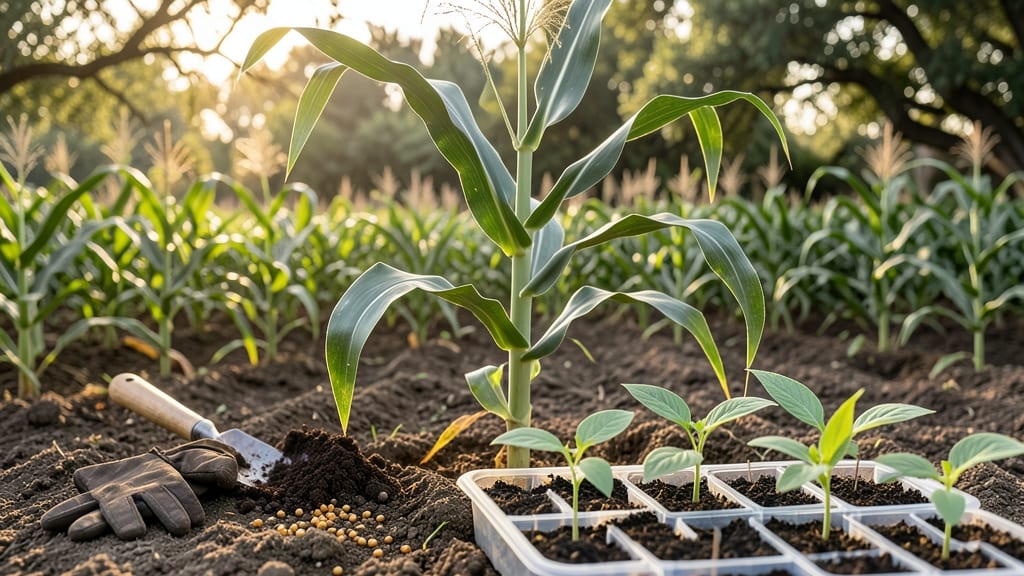
Planting your 🌽 corn at the wrong time in Mississippi can turn your garden dreams into a sad, stunted harvest—soil temperatures are the real game-changer here. The magic window opens when the ground warms to 60°F or higher, typically between mid-April and mid-June, depending on your region.
If you're in North Mississippi, where frost lingers a little longer, aim for early May to avoid those chilly surprises. Meanwhile, gardeners in the Delta can start as early as late April, when the soil finally shakes off winter's grip.
The key is waiting for those consistent warm days—no more guessing games!
I've seen firsthand how a few weeks' difference can mean the difference between plump, sweet ears and struggling seedlings. Let me walk you through the exact soil temperature triggers and regional planting windows that'll have your corn thriving from July through October.
Ready to turn your Mississippi garden into a cornucopia? We'll cover everything from testing soil readiness to choosing the perfect varieties for your microclimate—so you can finally stop second-guessing and start planting with confidence.
Mississippi corn planting timeline by soil temperature and region
Corn thrives in Mississippi’s warm climate, but getting the timing right ensures strong germination and high yields. The key trigger is soil temperature—corn seeds need at least 50°F to sprout, with 60°F+ being ideal.
Since Mississippi has three distinct regions with varying frost dates, I’ll break down the best planting windows for each to maximize your harvest potential.
Mississippi’s climate divides into three main regions: the Delta region (southern), Central Mississippi, and the North Mississippi hills. Each has unique frost-free dates and soil warming patterns. For example, the Delta warms earliest, while the northern hills often lag by 2-3 weeks.
Understanding these differences helps avoid common mistakes like planting too early in cold soil or missing the optimal window.
Here’s a quick reference for ideal planting windows based on soil temperature and regional frost-free dates:
| Region | Last Frost Date | Soil Temp Trigger | Planting Window | Harvest Window |
|---|---|---|---|---|
| Delta Region | Mid-February to early March | 50°F+ (earliest in state) | Mid-March to early May | Late June to October |
| Central Mississippi | Late February to mid-March | 55°F+ (ideal for germination) | Late March to early June | Early July to October |
| North Mississippi | Late March to early April | 60°F+ (warms slowest) | Early April to mid-June | Mid-July to mid-October |
Note: Adjust planting dates by 1-2 weeks based on your local microclimate or soil warming trends.
For the Delta region, you can start planting as early as mid-March because soils warm quickly. This early start allows for multiple harvests if you use succession planting every 2 weeks. In Central Mississippi, aim for late March to early April when soil temperatures consistently reach 55°F.
This timing aligns with the last frost date and gives plants enough time to mature before fall frosts arrive.
In North Mississippi, wait until early April or later, as cooler nights and slower soil warming can delay germination. Planting too early in this region risks rot or poor emergence due to cold soil.
If you’re unsure about your local frost dates, check the Mississippi State University Extension for updated climate data or use a soil thermometer to confirm readiness.
Corn is a warm-season crop, so planting too early—even if frost risk is low—can stunt growth. Always wait until the soil is at least 60°F at 4 inches deep.
A simple trick is to press your hand into the soil: if it feels warm but not hot, it’s likely ready. For extra insurance, use black plastic mulch to warm the soil faster in cooler regions like North Mississippi.
Succession planting works well in Mississippi’s long growing season. After your first planting, add new rows every 2 weeks until mid-June. This stretches your harvest from July through October, ensuring fresh ears when summer heat peaks.
Just be mindful of drought stress—corn needs 1-2 inches of water weekly during tasseling and ear development.
Regional varieties also play a role. In the Delta, heat-tolerant varieties like Silver Queen thrive, while Central Mississippi gardeners often choose Peaches and Cream for its sweetness.
Northern growers may prefer early-maturing varieties like Golden Bantam to avoid fall frosts. Always check seed packets for days to maturity and adjust your planting timeline accordingly.
Mississippi’s climate rewards patient gardeners who time their plantings carefully. By aligning your corn planting with soil temperature triggers and regional frost-free dates, you’ll enjoy a bountiful harvest and avoid common pitfalls like slow germination or stunted growth. Start testing your soil now—your future corn crop will thank you!
How to test soil temperature and prepare beds for corn in Mississippi
Corn thrives in warm soil, and Mississippi’s 50°F minimum for germination means waiting for the right moment can make or break your harvest. Testing your soil temperature ensures seeds sprout quickly and uniformly, while proper bed preparation prevents common issues like poor drainage or compacted soil.
Mississippi’s three distinct regions—Delta, Central, and North—have slightly different planting windows, but the soil temperature rule remains consistent: aim for 60°F+ at 4 inches deep before planting. This typically aligns with late April to early June, depending on your location.
Step-by-Step Guide to Testing Soil and Prepping Beds
- 1 Test Soil Temperature: Use a soil thermometer (inserted 4 inches deep) to check daily. Morning readings are most accurate. Aim for 60°F+ consistently for 3-5 days before planting.
- 2 Choose the Right Location: Select a sunny spot with 6+ hours of sunlight. Avoid low-lying areas where cold air pools, delaying soil warming.
- 3 Clear and Loosen Soil: Remove weeds, debris, and old plant matter. Use a garden fork or tiller to loosen soil to a depth of 8-12 inches, improving root penetration.
- 4 Amend with Compost: Mix in 2-3 inches of compost or well-rotted manure to enrich soil with nutrients. Corn is a heavy feeder, so organic matter boosts yield potential.
- 5 Check Drainage: Ensure beds drain well by digging a hole, filling it with water, and checking if it drains within 6 hours. Poor drainage leads to rotten seeds and stunted growth.
- 6 Level and Firm: Rake the bed smooth and firm the soil lightly with your hands or a board. This creates a consistent seedbed for even germination.
For Mississippi’s Delta region, where soil warms faster due to longer growing seasons, you can plant as early as mid-April if soil hits 60°F. In North Mississippi, wait until early May to avoid late frost risks. Central Mississippi falls in between, with ideal planting in late April.
Once your bed is prepped, plant seeds 1-1.5 inches deep and space them 4-6 inches apart in rows 24-36 inches apart. Mulch with straw or grass clippings to retain moisture and suppress weeds, which is critical during Mississippi’s hot, dry summers.
Pro tip: Plant in blocks (not single rows) to improve pollination and reduce edge effects. This is especially important in Mississippi’s humid climate, where wind can disrupt corn’s self-pollination process.