
Plants
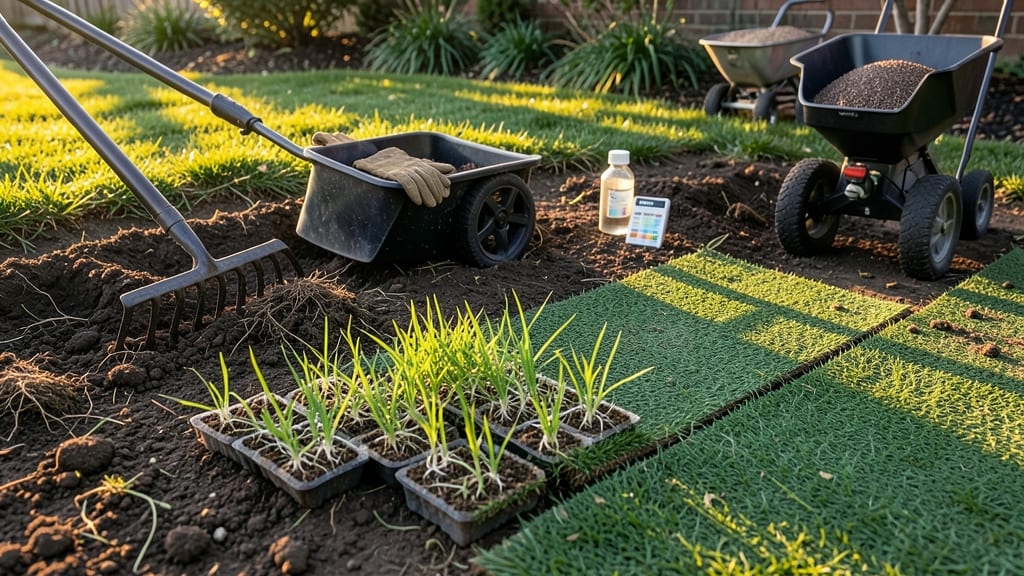
When is the best time to plant grass in Ohio? It isn’t just about grabbing seed and digging in—it’s about catching that narrow window when soil temperatures and rainfall align for strong root growth. Too early, and frost will nip your seedlings before they take hold; too late, and summer heat stresses young plants. The ideal planting window actually depends on whether you’re working with cool-season or warm-season varieties, with early spring and late summer offering the most reliable conditions.
For most Ohio lawns, the best time to plant grass in Ohio runs from mid-April through early May or late August to early September. These periods balance soil warmth (around 50-65°F for cool-season grasses like Kentucky bluegrass) with consistent rainfall to keep seeds moist without drowning them.
But here’s the catch: Ohio’s 6a climate means northern regions may need to wait longer than southern areas, where milder springs arrive earlier.
Why does timing matter so much? Grass roots need consistent moisture and warmth to establish before summer’s heat or winter’s freeze sets in. Skipping soil prep or planting at the wrong time can leave your lawn thin, patchy, or struggling to recover.
I’ll break down exactly how to time it right—plus soil tests, watering schedules, and the grass types that thrive best in Ohio’s variable weather.
Whether you’re seeding a new yard or overseeding an existing one, getting the timing perfect saves you hours of frustration down the road. Let’s make sure your grass gets off to the best possible start—no guesswork, just lush results.
Ohio’s ideal grass planting window: soil temperature & rainfall timeline
Timing your grass planting in Ohio is like nailing a moving target—weather shifts fast, and soil conditions vary wildly between northern and southern regions. The key to success? Planting when soil temperatures hit the sweet spot for your grass type, paired with Ohio’s rainfall patterns.
For cool-season grasses (like Kentucky bluegrass), aim for 50-65°F soil temps, while warm-season grasses (like Bermuda) thrive at 65-75°F. Miss these windows, and you risk stunted growth or seedling loss.
Ohio’s microclimates add another layer of complexity. Northern Ohio (think USDA Zone 5b-6a) typically has 2-3 weeks earlier frost dates than southern Ohio (Zone 6b-7a). This means your Cleveland neighbor might plant in early April, while Columbus gardeners can wait until mid-April.
Always check your local last frost date—usually mid-April for north, late April for south—and plan 4-6 weeks before for spring planting.
Here’s the data-backed timeline for 2024, based on Ohio’s 30-year historical averages. Use this as your guide, but always double-check with your local Cooperative Extension office for real-time updates.
| Planting Window | Soil Temp Range | Grass Type | Ohio Region | Rainfall Needs | 2024 Target Dates |
|---|---|---|---|---|---|
| Early Spring | 50–65°F | Cool-Season (Kentucky Bluegrass, Tall Fescue) | North Ohio (Zones 5b-6a) | 1–1.5" weekly | March 20–April 15 |
| Early Spring | 50–65°F | Cool-Season (Kentucky Bluegrass, Tall Fescue) | South Ohio (Zones 6b-7a) | 1–1.5" weekly | April 1–April 30 |
| Late Summer | 65–75°F | Warm-Season (Bermuda, Zoysia) | All Regions | 0.75–1" weekly | August 15–September 15 |
| Fall | 50–65°F | Cool-Season (Perennial Ryegrass) | North Ohio (Zones 5b-6a) | 0.5–1" weekly | September 1–September 30 |
| Fall | 50–65°F | Cool-Season (Perennial Ryegrass) | South Ohio (Zones 6b-7a) | 0.5–1" weekly | September 15–October 15 |
Spring planting in Ohio is a race against frost. Seedlings need consistent moisture to germinate, but Ohio’s April showers can quickly turn into drought conditions. If you’re planting in March or early April, use a seed
Best grass seed types for Ohio’s climate & when to plant them
Ohio’s diverse climate demands the right grass seed type and planting timing for a thriving lawn. Cool-season grasses like Kentucky bluegrass dominate, while warm-season varieties like Zoysia offer drought resilience. The key? Matching your lawn’s needs to Ohio’s spring and fall windows when soil temps and moisture align perfectly.
For cool-season grasses, aim for early spring (March-April) or late summer (August-September) planting.
These grasses thrive in Ohio’s 50-65°F soil temps and establish roots before winter. Warm-season grasses, however, prefer late spring (May-June) when soil warms to 65-75°F, but they struggle in Ohio’s harsh winters, making them less common for full lawns.
Kentucky bluegrass is Ohio’s gold standard—lush, shade-tolerant, and cold-hardy—but requires regular watering and mowing. Tall fescue offers drought resistance and low maintenance, while perennial ryegrass germinates quickly, ideal for over-seeding in fall. Meanwhile, Bermuda and Zoysia grasses excel in full sun and dry spells, but their high heat tolerance comes with winter dormancy challenges.
Pros-Cons Box: Ohio Grass Seed Planting
Cool-Season Grasses (Spring/Fall Planting)
- Thrives in Ohio’s winters
- Shade-tolerant options
- Deep root systems
- Needs consistent moisture
- Thatch buildup risk
- Slow germination in heat
Warm-Season Grasses (Late Spring Planting)
- Drought-resistant
- Heat-loving
- Low mowing needs
- Goes dormant in winter
- Poor shade tolerance
- Aggressive spread
🌱
Ohio’s northern regions (like Cleveland) benefit from Kentucky bluegrass mixes, while southern Ohio (Cincinnati, Columbus) can handle tall fescue blends with 10-20% perennial ryegrass for faster germination. For shady lawns, mix fine fescue (30%) with Kentucky bluegrass (70%)—this combo thrives in 2-4 hours of sun daily. Drought-prone areas?
Opt for tall fescue with 15% Bermuda for resilience.
Timing is everything: Spring planting (March-April) gives seeds 6-8 weeks to establish before summer heat, while fall planting (August-September) lets grass grow roots before winter. Warm-season grasses planted in late May avoid frost but may struggle if summer drought hits early.
Always check soil temps—use a soil thermometer to confirm 50°F+ for cool-season seeds or 65°F+ for warm-season types.
Pro tip: Test your soil before planting—Ohio’s clay-heavy soils often need compost or sand for drainage. Over-seed in fall (September) to fill bare spots, and avoid planting during extreme heat (July-August) or freeze threats (November).
With the right grass type and planting window, your Ohio lawn can achieve year-round greenery—even through our unpredictable winters.