
Plants
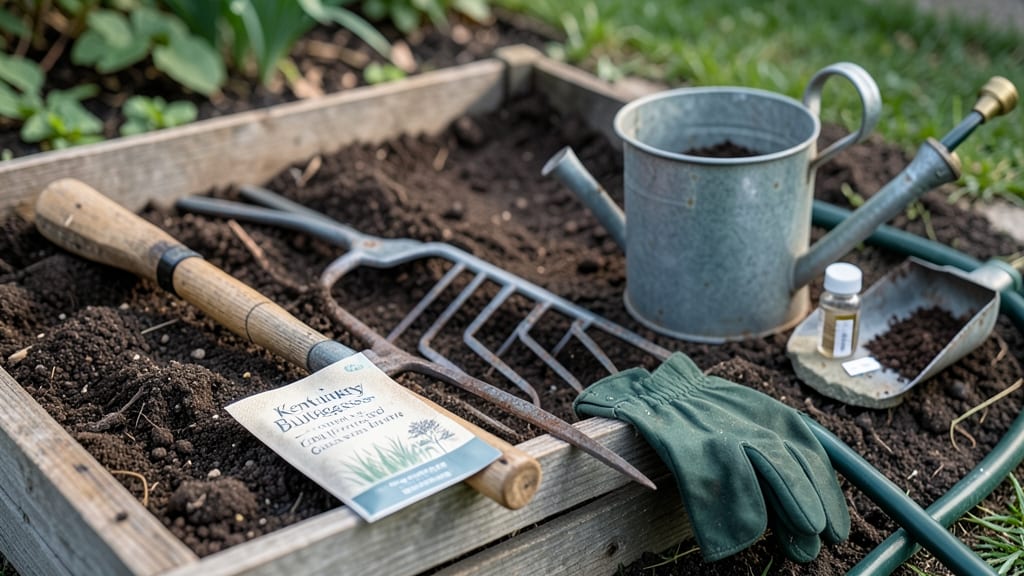
Planting your 🌱 Grass Seed (Lawn) at the wrong time in spring can turn your dream of a lush green yard into a frustrating gamble with patchy results.
The secret to faster germination and a thicker lawn isn't just timing—it's understanding when your soil is truly ready to support new growth.
Most gardeners assume "spring" means "go time," but soil temperatures below 55°F can stall germination for weeks. In USDA Zone 6a, where frost lingers until mid-April, planting too early means risking frost damage or slow starts that leave your lawn vulnerable to weeds.
The key is waiting until the ground warms enough to fuel those tiny seeds.
I’ve learned the hard way that rushing the process leads to uneven growth or wasted seed. What you’ll discover here are the exact soil temperature ranges that trigger germination, plus region-specific planting windows tailored to your grass type—whether you’re growing cool-season varieties like fescue or warm-season grasses like Bermuda.
Ready to skip the guesswork? Let’s break down the fastest way to time your planting for a lawn that takes hold in weeks, not months. Your future self will thank you.
Ideal soil temperature ranges for spring grass seed germination
Spring is the perfect time to plant grass seed, but timing is everything—especially when it comes to soil temperature. Grass seeds need the right warmth to sprout consistently, and planting too early or late can leave you with patchy lawns or wasted effort.
The key lies in understanding the optimal temperature ranges for your grass type and how to measure them accurately. For cool-season grasses like Kentucky Bluegrass or Fescue, aim for soil temps between 45-55°F, while warm-season varieties like Bermuda or Zoysia thrive at 60-75°F.
These ranges ensure faster germination and stronger root development.
Testing your soil temperature is simpler than you think. A soil thermometer (available for under $10) is the gold standard—just insert it 2-3 inches deep in the soil and wait 30 seconds for an accurate reading.
If you don’t have one, try the DIY "hand test": Press your hand into the soil for 5 seconds. If it feels cool but comfortable (not cold), it’s likely in the ideal range for cool-season grasses. For warm-season grasses, the soil should feel warm, almost like a summer day.
This method isn’t precise, but it’s a great backup when you’re in a hurry.
Why does soil temperature matter so much? Grass seeds contain enzymes that activate only within specific temperature ranges. Below 40°F, cool-season seeds may not germinate at all, while above 80°F, warm-season seeds can dry out before sprouting.
Even a few degrees off can delay germination by weeks, giving weeds a competitive edge. For example, Tall Fescue might take 14-21 days to sprout at 50°F but could stall entirely at 40°F. Knowing these ranges helps you plan your planting window with confidence.
Here’s a quick guide to help you decide when to plant based on your grass type and climate:
| Grass Type | Ideal Soil Temp (°F) | Best Spring Planting Time | Key Tip |
|---|---|---|---|
| Cool-Season (Kentucky Bluegrass, Fescue, Ryegrass) | 45-55°F | Early spring (after last frost) or early fall | Wait until soil warms to 50°F+ for consistent germination. |
| Warm-Season (Bermuda, Zoysia, St. Augustine) | 60-75°F | Late spring (after soil warms) | Plant when morning temps stay above 65°F for 3+ days. |
| Transition Zone (Mixed Grasses) | 50-65°F | Early to mid-spring (adjust for local climate) | Use a soil thermometer to avoid guessing. |
If you’re planting in early spring and the soil is still too cold, don’t rush—waiting a few weeks can make the difference between a thin, patchy lawn and a thick, vibrant carpet of grass. For warm-season grasses, the urgency is higher.
If you plant too early, the seeds may sprout only to wither in late spring heat. A good rule of thumb is to plant warm-season grasses 2-3 weeks after your last frost date, when the soil has had time to warm up naturally.
Check your local USDA hardiness zone for more precise timing.
Pro tip: If your soil is consistently 10°F below the ideal range, try warming it up with black plastic mulch or a clear plastic sheet laid over the area for a few days. This simple trick can raise soil temps by 5-10°F and speed up germination.
Just remove the plastic before planting to avoid overheating the seeds. For cooler climates, consider using a seed starter or microclimate (like a south-facing slope) to create a warmer pocket for your grass to establish.
Common mistakes to avoid include planting when the forecast calls for frost or ignoring soil temperature in favor of "as soon as possible." Always check the 5-day forecast and monitor soil temps for at least 3 consecutive days before planting.
This ensures your seeds get the stable conditions they need to germinate evenly. For example, Tall Fescue seeds planted at 48°F may germinate in 10-14 days, but at 40°F, they could take 3-4 weeks—or not sprout at all.
Remember, the goal is consistent germination, not speed. Even if your seeds sprout faster in warmer soil, the roots need time to establish before facing heat or drought stress. By mastering soil temperature, you’ll set your lawn up for success from day one.
Grab that soil thermometer, check the conditions, and give your grass the perfect start it deserves. Your future lawn will thank you with lush, even growth all season long.
Best spring planting windows by region and grass type
Timing your spring grass seed planting is everything—miss the window, and you risk slow germination, weeds taking over, or even seed rot. The best planting time depends on whether you're in a Northern or Southern climate and the type of grass you're growing.
Cool-season grasses like Kentucky Bluegrass and Fescue thrive when planted in early spring, while warm-season varieties like Bermuda need warmer soil to sprout.
Your USDA hardiness zone is your best guide. Northern regions (Zones 3-6) typically plant in late April to early June after the last frost, while Southern zones (7-10) can start as early as March or wait until May for warm-season grasses.
Let’s break it down by region and grass type so you can plant with confidence.
| Region & Zone | Grass Type | Best Planting Window | Soil Temp Requirement | Key Tip |
|---|---|---|---|---|
| Northern (Zones 3-6) | Kentucky Bluegrass | Late April–Early May | 45–55°F | Wait for soil to warm to 50°F consistently. |
| Northern (Zones 3-6) | Tall Fescue | Early April–Mid-May | 50–60°F | Avoid planting if frost is forecasted. |
| Southern (Zones 7-10) | Bermuda | Late April–June | 60–75°F | Wait until soil is 65°F+ for best results. |
| Southern (Zones 7-10) | Zoysia | May–Early June | 65–75°F | Use a soil thermometer to confirm readiness. |
| Transition Zones (6-7) | Fine Fescue | Early April–Mid-May | 50–60°F | Best in shadier lawns—plant early to avoid heat stress. |
If you’re in a Transition Zone (6-7), like parts of the Midwest or Southeast, you might need to plant cool-season grasses in early spring and warm-season grasses in late spring. For example, Fine Fescue thrives in cooler months, while Centipede grass waits for summer heat.
Always check your local last frost date and aim to plant 4-6 weeks before summer’s peak heat to avoid stressing young seedlings.
Pro tip: Use a soil thermometer to confirm readiness—cool-season grasses need soil at 45–55°F, while warm-season varieties like Bermuda require 60–75°F. If your soil is too cold, cover it with a black plastic sheet for a few days to warm it up naturally.
This small step can mean the difference between a lush lawn and a patchy mess.
Don’t forget to prep your soil 1–2 weeks before planting. Rake out debris, loosen compacted soil, and add a starter fertilizer to give seedlings a nutrient boost.
Water lightly the day before planting to settle the soil, then keep it consistently moist (but not soggy) for the first 2–3 weeks to encourage strong root development.
Timing isn’t just about the calendar—it’s about soil temperature, grass type, and your local climate. By following these region-specific windows, you’ll set your lawn up for success from day one. Happy planting!