
Companion Plants
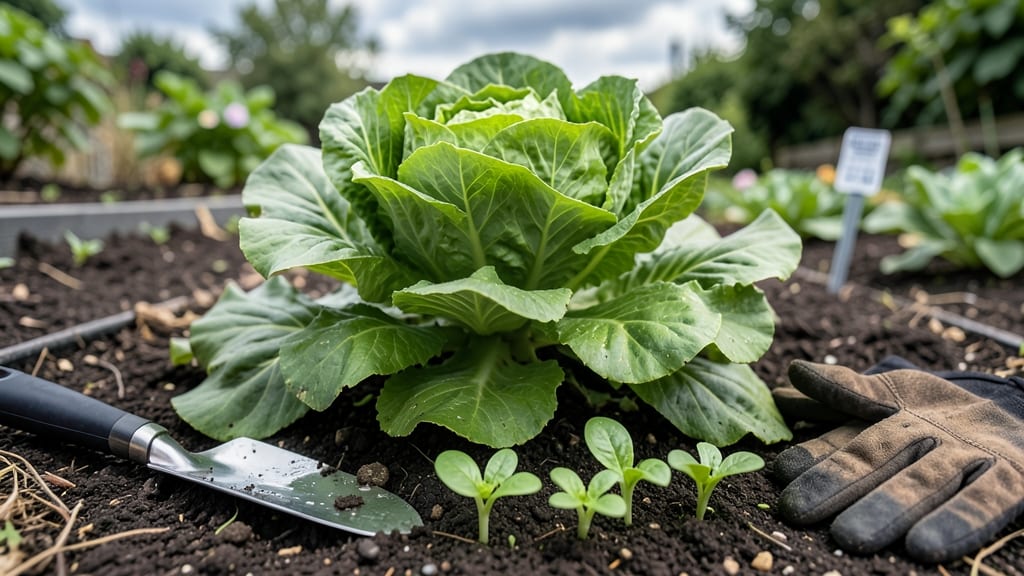
Timing your lettuce planting just right in Zone 6 is the difference between crisp, sweet 🥬 salads and bitter, bolted disappointment. If you've ever watched your lettuce turn to seed before you could even harvest, you know how frustrating it can be.
Zone 6's unpredictable weather makes getting this right tricky—too early and frost zaps your plants, too late and summer heat sends them bolting. But with the perfect planting windows, you can enjoy fresh lettuce from spring through fall without the stress.
I'll show you exactly when to plant for two perfect harvests: early spring and late summer. Plus, I'll share my top tips for extending your growing season so you can enjoy homegrown lettuce almost year-round.
Ready to grow lettuce that actually tastes fresh? Let's dive into the exact dates and techniques that work in Zone 6's climate.
Zone 6 lettuce planting calendar: exact dates for spring and fall success
Growing crisp, sweet lettuce in Zone 6 requires precision timing to avoid the two biggest enemies: heat-induced bolting and frost damage. Unlike warmer climates, Zone 6's variable weather means your planting windows are shorter but critical.
The key? Plant when soil temperatures stay between 40°F and 75°F—any hotter, and your lettuce will bolt (go to seed) faster than you can say "bitter greens."
Most Zone 6 gardeners get two main planting seasons: early spring and late summer. But with the right strategies, you can even squeeze in a fall harvest before the first frost.
The average last frost date for Zone 6 is around mid-April, while the first frost typically arrives in mid-October. Let's break down the exact dates and soil conditions for each window to maximize your harvest.
| Season | Ideal Planting Window | Soil Temp (°F) | Key Notes |
|---|---|---|---|
| Early Spring | Late February - Early April | 40-55°F | Start seeds indoors 6-8 weeks before last frost; transplant 4-6 weeks before frost |
| Spring Succession | April - May | 50-65°F | Sow every 2-3 weeks for continuous harvest; use shade cloth if temps exceed 70°F |
| Late Summer | Mid-July - Early August | 60-70°F | Choose heat-tolerant varieties; provide afternoon shade to prevent bolting |
| Fall Harvest | Late August - Mid-September | 55-65°F | Sow 8-10 weeks before first frost; use row covers for extended protection |
| Winter Protection | October - November | Below 40°F | Plant cold-hardy varieties; use cold frames or thick mulch for overwintering |
For spring planting, start seeds indoors in late February if you want a jumpstart. Transplant seedlings outdoors 4-6 weeks before your last frost date (around mid-March to early April in most of Zone 6).
The soil should be at least 40°F—any colder, and germination slows dramatically. Use a soil thermometer to check; most garden centers sell them for under $15.
Here's a pro tip: If you're in Zone 6a (colder end of the spectrum), aim for March 15-April 15 for your first outdoor planting. Zone 6b gardeners can push it slightly earlier, around March 1-March 30.
The goal is to get your lettuce established before soil temperatures climb above 75°F—that's when bolting becomes inevitable.
Don't make the mistake of planting lettuce in late May or June unless you're using shade cloth. By then, daytime temperatures often exceed 80°F, and your lettuce will bolt within weeks. Instead, wait until mid-July for your second planting window.
This is when daytime highs start to dip below 85°F, giving your lettuce a fighting chance. Choose heat-tolerant varieties like 'Jericho' or 'Black Seeded Simpson' for better success.
For fall lettuce, the window is tight but rewarding. Start seeds in late August for a harvest before winter sets in. If you're aiming for a winter harvest, plant in mid-September and protect your plants with row covers or a cold frame.
Some varieties like 'Winter Density' can survive light frosts, but most lettuce won't tolerate temperatures below 20°F for long.
One common mistake I see is planting lettuce too close to the first frost. Even cold-hardy varieties need time to mature. If you're in Zone 6a, your first frost is likely around October 15, so aim to have your lettuce ready to harvest by mid-October.
In Zone 6b, you might get an extra week or two. Always check your local Almanac's frost dates—they're more precise than general Zone 6 averages.
To extend your growing season, consider using shade cloth during summer months. A 30-50% shade cloth can drop soil temperatures by 10-15°F, making it possible to grow lettuce in June and
How to extend lettuce season in Zone 6: cold hardiness hacks for year-round growth
Zone 6 gardeners know the struggle: crisp spring lettuce bolts by summer, and fall harvests vanish with the first frost. But with the right cold hardiness hacks, you can enjoy fresh lettuce from early spring through winter.
The key? Combining protection strategies with bolt-resistant varieties and smart planting timing.
Even when temperatures dip below 40°F, lettuce can thrive with minimal protection. I’ve successfully grown winter lettuce in my Zone 6b garden using row covers and shade cloth—here’s exactly how. These methods prevent bolting while shielding tender leaves from freezing temperatures and late-season heat.
- 1 Plant cold-hardy varieties like 'Winter Density' or 'Arctic King'—they tolerate 25°F without protection.
- 2 Use row covers (like Reemay) to shield from 20-30°F drops—remove during daytime for airflow.
- 3 Apply 30% shade cloth in summer to block 85°F+ heat, which triggers bolting.
- 4 Mulch with straw (4-6 inches) to insulate roots from freezing soil and retain moisture.
- 5 Sow succession crops every 2-3 weeks from March to September for continuous harvests.
For winter lettuce, start seeds indoors 8-10 weeks before your average first frost (mid-October in Zone 6). Transplant seedlings into the garden when soil temps hit 40°F—this ensures roots establish before cold sets in.
I’ve had success with 'Outredgeous' and 'Salad Bowl' varieties, which stay crisp even at 28°F with protection.
Don’t overlook microclimates—south-facing beds warm up faster in spring and stay milder in winter. If your garden has a sunny, sheltered spot, it’s the perfect place for extended-season lettuce.
Pair this with a cold frame or hoop tunnel to push limits further. Just remember: ventilate on warm days to prevent overheating.
One common mistake? Skipping soil prep before winter planting. Amend beds with compost and aged manure in fall to improve drainage—wet, compacted soil accelerates rot in cold weather. I also top-dress with compost tea in early spring to jumpstart growth after winter dormancy.
With these strategies, I’ve harvested lettuce in January—yes, really! The secret is layered protection: row covers for light frost, mulch for insulation, and shade cloth for summer.
Rotate varieties to avoid disease buildup and always harvest outer leaves first to prolong the plant’s life. Your year-round salad bar is just a few cold-hardy hacks away. 🥬