
Companion Plants
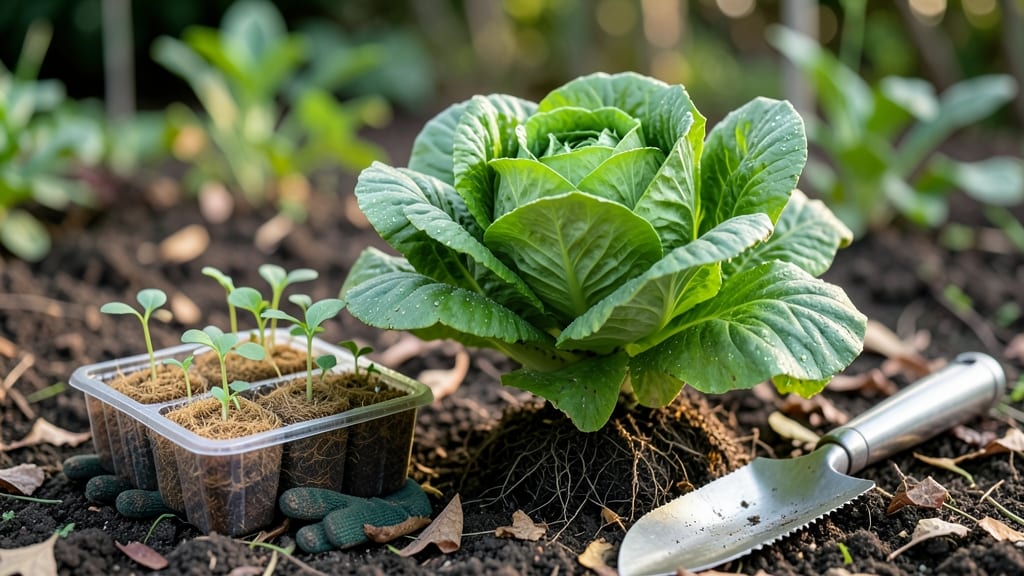
Planting lettuce 🥬 in Zone 7 at the wrong time means watching your crisp greens bolt into bitter seeds before you even get to taste them. The key to success lies in understanding your local frost dates and working with—not against—Zone 7's unpredictable spring and fall weather patterns.
In Zone 7 (7a-7b), your best window opens 4-6 weeks before your last frost date—typically between mid-March and early April for spring plantings. This timing gives your lettuce enough cool weather to thrive without rushing into heat stress.
But here's the catch: if you wait too long, even a single warm snap can trigger bolting, turning your salad greens into seed stalks overnight.
Don't stop there—fall plantings are just as crucial. Aim to sow seeds 8-10 weeks before your first frost, usually around late August to early September. This second planting window ensures you'll have fresh 🥬 harvests well into November, when many gardeners are already dreaming of winter soups.
I'll show you exactly how to time your plantings, which varieties perform best in Zone 7's climate, and simple tricks to extend your growing season—so you can enjoy crisp, homegrown lettuce from spring through fall without the frustration of bolting.
Let's get those seeds in the ground at the perfect moment.
Zone 7 lettuce planting calendar: exact weeks before last frost for success
Timing your lettuce planting in Zone 7 is the secret to avoiding bitter bolting and maximizing crisp harvests. Unlike cooler zones, Zone 7's unpredictable spring warmth means you've got a tight window—just 4-6 weeks before your last frost date—to get seeds in the ground for spring lettuce.
Miss that window, and you risk your plants turning into seed stalks before you even taste them.
For fall planting, the stakes are even higher. You only have about 8-10 weeks before the first frost hits, and heat-tolerant varieties become your best friend. The key?
Understanding your exact frost dates and planning around them—because in Zone 7, a single warm spell can turn your salad greens into dinner-table decorations overnight.
Here's the Zone 7 lettuce planting calendar broken down by season, including exact weeks before last frost and the best varieties for each window:
| Planting Window | Weeks Before Last Frost | Best Varieties | Harvest Time | Key Tip |
|---|---|---|---|---|
| Early Spring | 4-6 weeks | Buttercrunch, Romaine, Bibb | May-June | Use shade cloth if temps rise above 75°F |
| Mid-Spring | 2-3 weeks | Leaf Lettuce (Black Seeded Simpson) | June | Plant in partial shade to avoid bolting |
| Late Summer | 8-10 weeks before first frost | Jericho, Oakleaf, Green Forest | October-November | Choose heat-tolerant varieties |
| Fall Succession | Every 2 weeks until Sept 15 | Any cold-hardy variety | October-December | Use row covers for early frosts |
For Zone 7a (colder end of the spectrum), aim to plant your first spring lettuce around March 15—that's about 6 weeks before your average last frost date.
If you're in Zone 7b, you can push it back slightly to March 22 to give yourself a little more buffer against those early warm spells.
Succession planting is your best friend in Zone 7. Instead of planting all your lettuce seeds at once, stagger your plantings every 2 weeks from March through September. This ensures you always have fresh greens ready to harvest while older plants mature.
For example, if you plant your first batch on March 15, follow up with another batch on March 29, then April 12, and so on.
Don't forget about fall lettuce—this is where Zone 7 gardeners really shine. Start your final succession planting around August 15 for a harvest before winter sets in.
Heat-tolerant varieties like Jericho and Green Forest are perfect for this window because they can handle the lingering summer heat while still producing sweet, crisp leaves.
Pro tip: Monitor your soil temperature—lettuce thrives when soil temps are between 40-75°F. If your soil heats up above that, your lettuce will bolt faster than you can say "salad spinner."
Use a soil thermometer to check before planting, and consider using shade cloth if your area gets too hot too quickly.
Remember, the last frost date in Zone 7 typically falls between March 15-31, depending on your specific microclimate. For fall, the first frost usually arrives around November 1-15.
Plan your lettuce calendar around these dates, and you'll enjoy fresh greens from May through December—that's nearly half the year of crisp, homegrown lettuce!
🥬
How to extend your lettuce growing season in Zone 7 without bolting
Zone 7's unpredictable heat spikes can turn your crisp lettuce into bitter bolts before harvest. The key to success? Strategic timing and protective measures that shield your plants from stress.
I've learned that shade cloth, soil temperature control, and companion planting can extend your harvest window by 4-6 weeks—even in summer's heat.
First, understand that lettuce bolts when soil temperatures exceed 75°F (24°C). In Zone 7, this often happens by mid-May, but with the right techniques, you can keep your plants happy through July harvests.
My secret? A combination of shade solutions, cooling soil methods, and protective plant partnerships that work together like a well-oiled machine.
- Shade Cloth Timing: Install 30-50% shade cloth when daytime temps hit 70°F (21°C). For Zone 7, this is typically late April for spring plantings.
- Soil Cooling: Use mulch (straw or grass clippings) to keep soil 10°F cooler than air temperature. Apply 3-4 inches around plants.
- Companion Planting: Pair lettuce with radishes, carrots, or bush beans—these plants provide light shade and improve soil structure.
- Succession Planting: Sow new seeds every 2 weeks from March to September to ensure continuous harvests. Use heat-tolerant varieties like 'Black Seeded Simpson' for summer.
- Watering Schedule: Water deeply in mornings to maintain consistent soil moisture. Avoid wetting leaves to prevent disease.
For shade cloth, I recommend 30% coverage for leaf lettuces and 50% for head varieties. Hang it 3-4 feet above plants to allow airflow. In my garden, this simple setup has kept lettuce growing through June's heat waves—something I never thought possible in Zone 7!
Monitor soil temperature with a soil thermometer—lettuce roots prefer 60-65°F (15-18°C). If temps climb above 75°F (24°C), your plants will bolt within 3-5 days.
My trick? Water the soil (not leaves) in early morning to create a cooling effect. This works best with drip irrigation or soaker hoses.
Don't overlook companion planting—it's one of my most reliable tricks. Radishes mature quickly and provide shade, while bush beans fix nitrogen in the soil. I've seen lettuce thrive next to these plants even when temperatures hit 85°F (29°C) during the day.
Plus, the intercropping maximizes space in my small garden.
Finally, embrace succession planting to keep your harvests coming. Start with cold-hardy varieties like 'Winter Density' in early spring, then transition to heat-tolerant types like 'Jericho' by late summer. With this approach, I've enjoyed fresh lettuce from March through November—without a single bolt!