
Planting
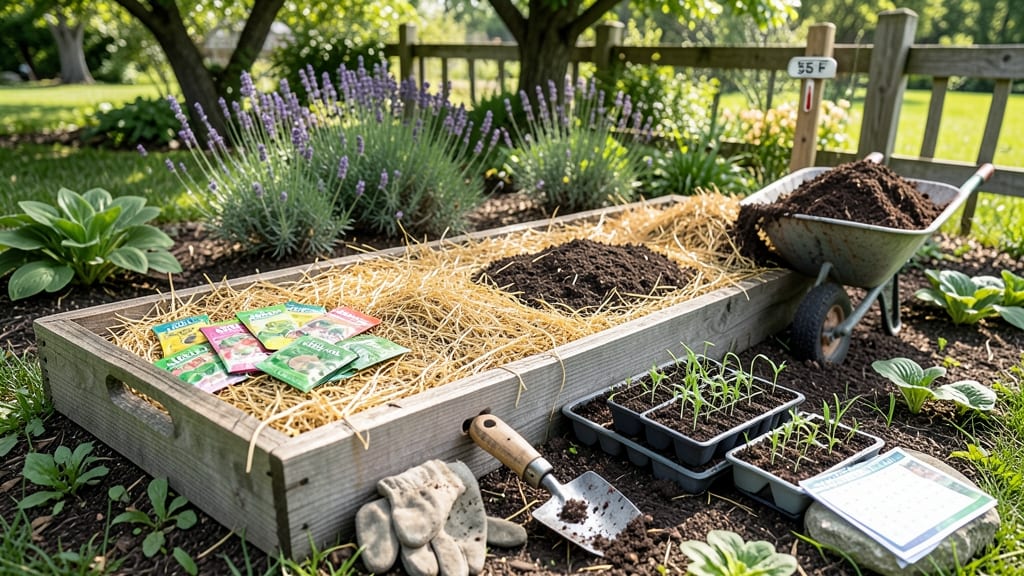
If you’ve ever rushed to plant your 🌱 General Garden Vegetables only to watch frost nip your seedlings, you’re not alone—Michigan’s unpredictable spring weather makes timing everything.
The key to a thriving garden lies in knowing exactly when the last frost typically passes in your 5b-6b zone, so you can avoid those heartbreaking setbacks.
For most of Michigan, the mid-April to mid-June window is your golden opportunity to get cool-season crops like lettuce and peas in the ground. But warm-season favorites—think tomatoes and peppers—need to wait until the soil warms to at least 50°F, usually by late May or early June.
Skipping this step means stunted growth or worse.
Here’s the good news: with the right frost-free dates and a few simple adjustments, you can extend your planting season into August or September for fall harvests. I’ll break down the exact timing for your zone, plus how to handle those unexpected late frosts that Michigan is famous for.
Ready to turn your garden into a high-yielding success story? Let’s dive into the perfect planting schedule tailored just for you.
Michigan frost-free dates by zone: when to plant cool vs warm season crops
Michigan’s USDA hardiness zones 4-6 create a diverse planting landscape, where last frost dates can vary by 2-3 weeks between northern and southern regions.
Understanding your zone helps you align cool-season crops (like spinach and peas) with early spring and fall windows, while warm-season crops (tomatoes, peppers) thrive after the last frost. Let’s break down the specifics so you can plan with confidence.
In Zone 4 (northern Michigan), the average last frost date falls between May 15-20, while Zone 6 (southern Michigan) sees frost-free conditions by April 20-May 5. These dates shift yearly, so always check local weather alerts or the Michigan State University Extension for updates.
For cool-season crops, start seeds indoors 4-6 weeks before your last frost date, while warm-season crops should wait until soil temperatures hit 55-60°F.
Here’s a quick reference for Michigan’s frost-free zones and ideal planting windows:
| Zone | Last Frost Date | First Frost Date | Cool-Season Planting | Warm-Season Planting |
|---|---|---|---|---|
| Zone 4 | May 15-20 | September 25-October 5 | March 15-April 15 (spring) / August 15-Sept 15 (fall) | May 20-June 15 |
| Zone 5 | May 1-10 | October 1-10 | March 1-April 1 (spring) / August 1-Sept 10 (fall) | May 10-June 10 |
| Zone 6 | April 20-May 5 | October 15-25 | February 28-April 1 (spring) / August 15-Sept 20 (fall) | April 25-May 30 |
For cool-season crops, prioritize early spring (March-April) and late summer (August-September) plantings. Leafy greens like kale, spinach, and lettuce tolerate light frosts, while root vegetables like carrots and beets thrive in cooler soil. Use row covers to extend the season and protect tender seedlings from unexpected frosts.
Warm-season crops, including tomatoes, peppers, and cucumbers, demand consistent warmth to germinate and grow. Plant these 2-3 weeks after your last frost date, once soil temperatures exceed 55°F. If you’re eager to start earlier, use black plastic mulch or a cold frame to warm the soil faster.
Historical data shows that Zone 5 and 6 gardeners can often push warm-season crops into late July plantings for a fall harvest, while Zone 4 gardeners should focus on early spring starts for crops like peas and radishes.
Always monitor soil temperature—a simple soil thermometer (available for $10-$15) is a game-changer for precision planting.
Pro tip: Use Michigan’s 10-year frost data to adjust your schedule. For example, if your area has seen late frosts in 3 of the last 10 years, delay warm-season planting by 1-2 weeks as a buffer. This proactive approach minimizes risk and maximizes your harvest potential.
Don’t forget about fall planting! Many cool-season crops thrive in Michigan’s September-October windows. Start seeds indoors in July for a late-summer transplant, or direct-sow hardy varieties like broccoli and cabbage in August for a frost-sweetened harvest.
For real-time updates, bookmark the Michigan State University Extension’s frost date maps or use apps like Old Farmer’s Almanac or PlantNet. These tools sync with local weather patterns, ensuring you’re always ahead of the curve.
With the right timing, you’ll enjoy a longer growing season and healthier plants—no matter your Michigan zone.
Ready to dive deeper? Explore our next section on best crops for early spring, late spring, and summer in Michigan, complete with succession planting tips to keep your harvest flowing all season long. 🌱
Best crops to plant in early spring, late spring, and summer in Michigan
Michigan’s short growing season demands smart planting choices. Early spring brings cool temperatures perfect for leafy greens and root vegetables, while late spring and summer open the door to heat-loving tomatoes, peppers, and cucumbers. The key? Succession planting—staggering crops to ensure a steady harvest all season long.
For early spring planting (March-April), focus on cold-hardy crops like spinach, peas, and radishes. These thrive in 40-50°F soil and can handle light frosts. Late spring (May-June) is prime time for warm-season staples like tomatoes and peppers, while summer planting (July-August) extends the season with beans, cucumbers, and squash.
- Spinach – 40-50°F soil, partial shade, harvest in 30-50 days.
- Peas – 45-75°F soil, trellis support, 60-70 days to harvest.
- Radishes – fast-growing, 3-4 weeks, direct sow.
- Lettuce – cool weather, harvest leaves for continuous yield.
- Tomatoes – 55-65°F soil, full sun, 60-85 days to fruit.
- Peppers – 70-85°F soil, warmth-loving, 75-90 days.
- Cucumbers – trellis or vines, 50-70 days, succession plant.
- Basil – direct sow after frost, harvest leaves regularly.
- Green Beans – 60-70°F soil, bush or pole, 50-60 days.
- Squash – warm soil, large space, 45-55 days.
- Zucchini – fast producer, harvest young for best flavor.
- Marigolds – pest repellent, full sun, blooms all summer.
Succession planting is my secret weapon for extending harvests. For example, sow bush beans every 2 weeks from June to July to enjoy fresh pods all summer. Similarly, lettuce can be replanted in late summer for a fall harvest before frost.
Don’t forget herbs like cilantro and dill—they bolt in heat but thrive in early spring and fall. For flowers, marigolds and zinnias attract pollinators and add color. Plant them alongside vegetables to boost yields naturally.
Pro tip: Use row covers to protect early spring plants from late frosts. And always check soil temperature with a thermometer—warm-season crops won’t germinate in cold soil, no matter how eager you are!