Companion Plants
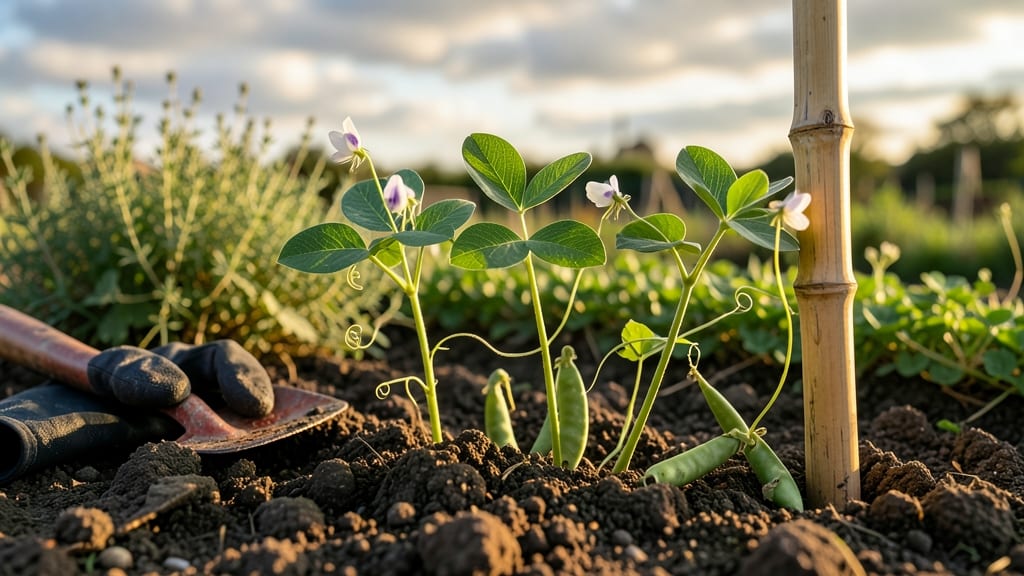
Planting peas in Zone 6 at the wrong time can mean the difference between a garden full of sweet, crisp pods and a sad, frost-killed disappointment.
Unlike many veggies, these cool-weather 🌱 peas thrive when temperatures are still crisp, but getting the timing right is everything—especially when those unpredictable spring frosts lurk around the corner.
If you’ve ever wondered why some gardeners swear by early spring plantings while others prefer late summer, the answer lies in understanding your local frost dates and soil conditions.
I’ll break down exactly when to plant—whether you’re sowing directly into the ground or starting seeds indoors—to ensure your peas get a strong, frost-free start. Trust me, skipping this step means risking weak plants or worse.
What you’ll discover is that Zone 6’s two best windows—early spring and late summer—each come with their own tricks.
From calculating weeks before your last frost to choosing the right varieties for your climate, I’ll cover all the essentials so you can harvest fresh peas straight from your garden in just 60 days or less. Let’s get those seeds in the ground at the perfect moment.
The key to success? Planting 4-6 weeks before your last frost date—typically mid-March to early April for spring—and avoiding the temptation to jump in too early when the soil is still cold and soggy.
With the right timing, you’ll be enjoying homegrown peas long before store-bought options even hit the shelves. Ready to learn the exact weeks that work best for your garden?
Peas planting timeline in Zone 6: exact weeks before last frost for success
Timing is everything when planting peas in Zone 6, where frost dates vary dramatically from northern to southern regions.
In colder Zone 6a areas (like Buffalo, NY), your last frost typically arrives around April 20, while warmer Zone 6b areas (like Richmond, VA) see frost depart by March 25. Planting 4-6 weeks before your local last frost ensures strong seedlings before warm soil arrives.
Peas thrive in cool soil temperatures (40-85°F), but cold, wet soil can delay germination.
Northern Zone 6 gardeners should wait until soil reaches 45°F (test with a soil thermometer), while southern areas can plant as early as February 15 if soil is workable. Fall planting is also viable in Zone 6—sow 8-10 weeks before first frost (typically October 15) for a late-season harvest.
Here’s your Zone 6 pea planting timeline, accounting for regional frost variations and soil temperature thresholds:
| Planting Window | Zone 6a (Northern) | Zone 6b (Southern) | Soil Temp Threshold | Key Tip |
|---|---|---|---|---|
| Early Spring | March 15–April 15 | February 20–March 30 | 45–50°F | Use row covers if nights dip below 30°F. |
| Late Summer/Fall | August 1–September 1 | August 15–September 15 | 50–60°F | Choose frost-tolerant varieties like 'Oregon Sugar Pod.' |
| Succession Planting | Every 2–3 weeks until May 1 | Every 2–3 weeks until April 15 | 40–55°F | Stagger plantings for continuous harvests. |
For Zone 6a gardeners, March 15 is your sweet spot for spring planting—early enough to avoid cold soil but late enough to dodge late frosts. Test soil temperature daily if unsure; peas won’t germinate below 40°F.
In Zone 6b, you can push planting to February 20 if you’re using black plastic mulch to warm the soil faster.
One common mistake? Planting peas too early in cold, wet soil. Soggy conditions cause seeds to rot before sprouting. Amend soil with compost and plant on raised beds or hills for better drainage. If your soil stays below 45°F past April 1, wait—patience pays off with faster germination.
Fall planting in Zone 6 requires precise timing. Sow seeds 8–10 weeks before first frost (typically August 1–September 1 in Zone 6a). Oregon Sugar Pod and Lincoln varieties tolerate light frosts, but avoid planting after September 15—vines need 60+ days to mature before cold sets in.
Pro tip: Use a frost calendar (like the National Gardening Association’s) to pinpoint your exact last frost date. For example, Madison, WI (Zone 6a) averages April 22 for last frost, while Raleigh, NC (Zone 6b) sees frost depart by March 28.
Adjust your planting window accordingly—even 2 weeks makes a difference in pea yield.
If you’re unsure about your local frost dates, check with your local Cooperative Extension Service. They provide hyper-local data and can recommend pea varieties best suited to your microclimate. For example, 'Green Arrow' thrives in cooler Zone 6a springs, while 'Sugar Snap' prefers the slightly warmer Zone 6b summers.
Remember: Peas are cold-hardy but not frost-proof. While seedlings survive light frosts (28–32°F), mature plants can handle down to 20°F if grown quickly. Use frost cloth for extra protection during late spring or early fall planting windows.
How to extend pea planting season in Zone 6: cold-hardy hacks for earlier/later harvests
If you love fresh peas but hate missing the short harvest window in Zone 6, you’re not alone. The key to earlier spring or later fall harvests lies in smart strategies that protect tender seedlings from late frosts or early chills.
With the right tools and varieties, you can stretch your pea season by 4-6 weeks on either end—without risking your crop!
I’ve tested these methods in my own Zone 6a garden, where last frosts can hit as late as April 15 and first frosts arrive by October 15.
The goal? Push your planting dates while keeping your peas happy and productive. Let’s dive into the best cold-hardy hacks to maximize your harvest.
🌱 Extending Pea Season: Pros & Cons
- Pros: Extends season by 2-4 weeks
- Protects from light frosts (28°F)
- Increases soil warmth for faster germination
- Cons: Can overheat plants in sunny weather
- Requires secure anchoring in wind
- May trap excess moisture if not ventilated
- Pros: Staggered harvests for continuous supply
- Reduces risk of crop failure from weather shifts
- Works for both spring and fall plantings
- Cons: Requires space management
- More labor-intensive than single planting
- Late plantings may outgrow season before harvest
- Pros: Survives 20-25°F temperatures
- Faster maturity (50-60 days) for early harvests
- Examples: 'Green Arrow', 'Sugar Snap'
- Cons: Limited pod production in heat
- Some varieties bolt faster in warm spells
- May require staking for support
My top recommendation for earlier harvests is using row covers combined with frost-tolerant varieties. Start seeds indoors 6-8 weeks before your last frost date, then transplant under a lightweight frost blanket.
This combo lets me harvest 'Green Arrow' peas as early as late April, even if frost lingers.
For fall plantings, succession planting is your best bet. Sow seeds every 2 weeks from mid-August through early September. Choose short-day varieties like 'Oregon Sugar Pod', which matures in 55 days—just in time for October harvests before hard frosts arrive.
One hack I swear by is warm soil prep. Peas germinate poorly in cold, wet soil. To speed things up, cover the bed with black plastic mulch for 1-2 weeks before planting.
This raises soil temps by 10-15°F, ensuring faster sprouting—critical for early spring or late fall starts.
Remember, overheating is the biggest pitfall with row covers. If temps rise above 80°F, remove covers during the day to prevent heat stress. I use hoop tunnels with vents for extra control, especially in Zone 6’s unpredictable weather.
With these tweaks, you can enjoy peas from April to November—no more sad, wilted pods!