
Companion Plants
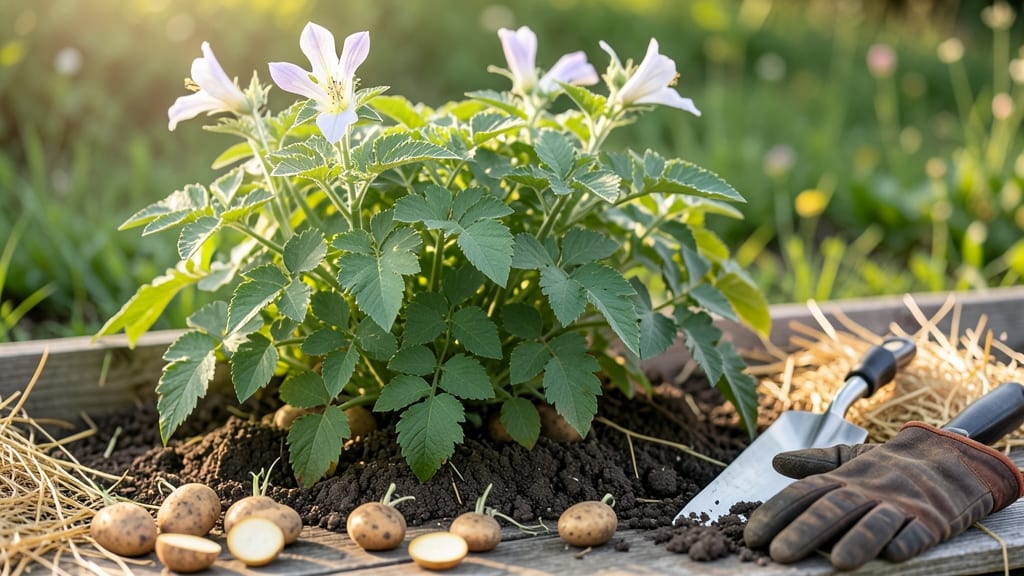
Planting potatoes in Ohio at the wrong time means risking frost damage or missing out on that golden harvest window—especially when you're just 2-4 weeks away from peak growing conditions.
The key isn't just waiting for spring; it's understanding your zone's last frost date and soil temperature, which can shift from Zone 5 to Zone 8 across the state.
For most Ohio gardeners in Zone 6a, the sweet spot is early March to mid-April, when soil warms to 45°F—but that timeline can change with unpredictable weather.
Whether you're a first-timer or a seasoned grower, getting this right means the difference between a bountiful 🥔 harvest and a sad, shriveled crop.
I’ll break down exactly when to plant—whether you’re starting indoors or going straight into the garden—plus how to adjust for Ohio’s unpredictable springs.
You’ll learn which varieties thrive in your microclimate and how to protect your spuds from late frosts, so you can enjoy homegrown potatoes by July or August.
Let’s dive into the frost-free timeline that’ll have your potatoes growing like they’re in Idaho—without the long drive to the grocery store.
Ohio potato planting dates by hardiness Zone (5-8): exact frost-free timelines
Ohio’s diverse USDA hardiness zones 5-8 create wildly different potato planting windows. In Zone 5, where last frosts average April 15, you’ll plant 4 weeks earlier than in Zone 8, where frost lingers until April 25.
The secret? Soil must reach 45-50°F—not air temperature—for tubers to thrive. Ohio State University Extension confirms this threshold prevents cold soil shock, which stunts growth.
NOAA data shows Zone 6 (central Ohio) has the tightest window: March 25-April 10 for early varieties. Gardeners in Zone 7 (southern Ohio) can start 2 weeks later, while Zone 8 (far southwest) often waits until April 15.
Missing these dates risks blight from wet springs or underdeveloped tubers from late planting.
🌱 Pro Tip: Use row covers to plant 2 weeks early in Zones 5-6 if soil warms faster than predicted. Test with a soil thermometer—potatoes won’t sprout until soil hits 50°F consistently.
| Zone | Last Frost Avg | Planting Window | Soil Temp Threshold | Harvest Ready |
|---|---|---|---|---|
| 5 (Northeast) | April 15 | March 15-April 5 | 45°F (7°C) | July 15-August 10 |
| 6 (Central) | April 10 | March 25-April 10 | 48°F (9°C) | July 1-August 5 |
| 7 (South) | April 5 | April 1-April 15 | 50°F (10°C) | June 20-July 15 |
| 8 (Southwest) | April 25 | April 10-April 25 | 52°F (11°C) | June 10-July 5 |
Zone 5 gardeners face the biggest risk: false springs where warm air tricks you into planting early. Check the 10-day forecast—if nights dip below 32°F, delay until soil stabilizes. In Zone 8, late planting can still yield potatoes, but expect smaller tubers due to shorter daylight hours.
Ohio State’s trials show Yukon Gold thrives in Zones 5-6, while Red LaSoda handles Zone 8’s heat better.
For container growing, add 2 weeks to your zone’s window—pots cool faster. Fill containers with well-draining mix and place them in south-facing spots to warm soil quicker. My Zone 6 containers hit 50°F 5 days later than in-ground beds, so I plant April 5 instead of March 25.
Watch for soil crusting after rains—it delays warming. Break up clods with a broadfork to let heat penetrate. In Zone 7-8, mulch with straw to retain moisture while keeping soil temps ideal. Avoid black plastic—it overheats tubers, turning them green and toxic.
Harvest timing varies by variety: Early potatoes (like ‘Early Rose’) need 60-70 days, while late varieties (like ‘Kennebec’) take 100+ days. In Zone 5, I harvest July 15 for new potatoes, then again August 10 for storage spuds.
Miss this window, and tuber skin toughens, making them less ideal for fresh eating.
Use NOAA’s frost maps (available at [NOAA Climate](https://www.ncdc.noaa.gov))
How to adjust planting for Ohio’s unpredictable spring weather: pro tips for success
Ohio’s spring weather can be as fickle as a March wind—one day sunshine, the next a surprise frost. For potatoes, this unpredictability means the difference between a bumper crop and wasted seed potatoes.
The key is flexibility: knowing how to extend your growing season and when to trust Mother Nature’s cues rather than the calendar.
False springs happen often in Ohio, where warm spells can trick you into planting too early. A late frost in May can devastate tender potato sprouts. To avoid this, I rely on the 10-day moving average method for frost dates, not just the "last frost" date on your calendar.
This approach accounts for Ohio’s microclimates, where urban areas like Columbus may warm faster than rural zones near Lake Erie.
Here’s how to adapt your planting strategy to Ohio’s whims—without losing your crop to frost or heat stress:
Even with these strategies, Ohio’s summer heat can stress potatoes after 85°F for more than 3 days. To combat this, I use shade cloth (30-50%) during peak heat waves and mulch heavily with straw to retain moisture.
This keeps tubers from developing greening (toxic solanine) and ensures a smooth harvest.
For late-season planting, don’t forget about fall potatoes! In Ohio’s Zone 6-8, you can plant seed potatoes in early August for a harvest before the first frost.
Use early-maturing varieties like ‘Early Girl’ and hill soil around stems to protect tubers from cold. This trick gives you 2 harvests in one season—a gardener’s dream.
Remember: Ohio’s climate rewards patience. By combining soil temperature checks, season-extending tools, and succession planting, you’ll turn unpredictable springs into a potato-growing goldmine. Happy digging! 🌱