
Companion Plants
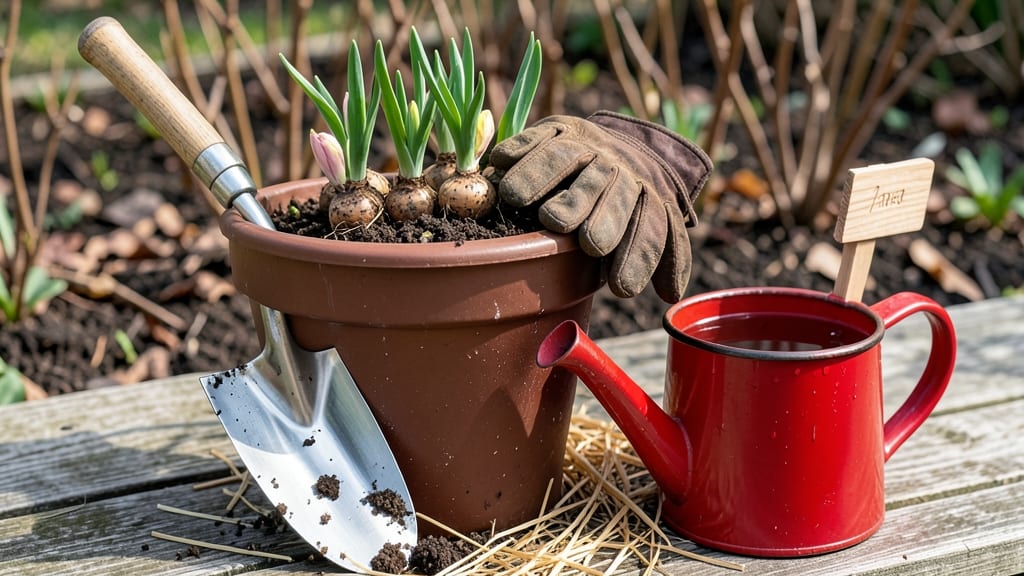
To plant potted tulips in the ground at the perfect time means the difference between vibrant spring blooms and disappointment. These cold-hardy beauties thrive when transplanted during their natural dormancy window—typically fall or early spring—but timing varies by your USDA zone.
In Zone 6a (like much of the Midwest), your best bet is to move potted tulips 4-6 weeks before the first hard frost—usually between September and November. This gives roots time to establish before winter, so they burst into color next spring.
But if you’re in a warmer zone, like Zone 8 or 9, late winter or early spring planting works just as well.
Why does timing matter so much? Planting too early can stress bulbs, while waiting too long risks weak root growth.
I’ll walk you through the exact zone-specific windows, how to tell when your tulips are ready, and what to do to set them up for success—so you can enjoy show-stopping blooms without the guesswork.
Whether you’re a first-time gardener or a seasoned pro, these tips will help you transplant with confidence. Let’s get those potted tulips in the ground the right way—so you’re rewarded with a garden full of cheerful 🌷 come spring.
Best planting timeline for potted tulips by USDA hardiness zones
Timing is everything when transplanting potted tulips into your garden beds. These cold-hardy bulbs thrive when planted during their natural dormancy period, but the exact window varies by USDA hardiness zone. Planting too early risks frost damage, while waiting too late can delay next spring's vibrant blooms.
Let's break down the ideal planting months for each zone to ensure your tulips establish strong roots before winter.
Most gardeners focus on fall planting because it allows bulbs to root before winter dormancy. However, spring planting is also possible in warmer zones. The key is understanding your last frost date and soil temperature thresholds.
Tulip bulbs need soil temps between 40°F and 50°F (4°C-10°C) for optimal root development. In colder zones, this means planting 4-6 weeks before the first hard frost.
Here's a quick reference for soil temperature requirements by zone. Remember, these are general guidelines—always check your local frost dates for precise timing. For example, Zone 3 gardeners should plant in September or early October, while Zone 10 gardeners can extend planting into December or even early January.
| USDA Zone | Ideal Planting Window | Soil Temp Requirement | Key Consideration |
|---|---|---|---|
| Zones 3-4 | Mid-September to early October | 40°F-50°F (4°C-10°C) | Plant 6 weeks before first hard frost |
| Zones 5-6 | Late September to mid-October | 45°F-55°F (7°C-13°C) | Avoid planting after first frost |
| Zones 7-8 | October to early November | 50°F-60°F (10°C-15°C) | Can plant through winter in mild areas |
| Zones 9-10 | November to January | 55°F-65°F (13°C-18°C) | Spring planting also successful |
For gardeners in Zones 3-4, aim to plant potted tulips between mid-September and early October. This gives bulbs enough time to establish roots before winter sets in. I always check my local National Weather Service frost predictions to confirm my planting window.
In my Zone 4 garden, I've found that planting by October 10th ensures bulbs have 6-8 weeks of root growth before the ground freezes.
In Zones 5-6, the window extends slightly later—late September to mid-October. The key is to finish planting before the first hard frost arrives. I recommend testing your soil temperature with a soil thermometer to confirm it's below 50°F (10°C) before covering bulbs with mulch.
This prevents premature sprouting that could be damaged by late frosts.
Warmer zones like 7-8 offer more flexibility. You can plant through November and even into December in mild microclimates. I've successfully planted tulips in my Zone 7 garden as late as December 1st when soil temps remained above 50°F (10°C).
However, always monitor weather forecasts for unexpected cold snaps that could damage newly planted bulbs.
Gardeners in Zones 9-10 have the most extended window, potentially planting through January. This makes spring planting a viable option too. I've had great success planting tulips in March in my Zone 9 garden, though I always choose early-blooming varieties that tolerate warmer soils.
The trade-off is slightly smaller blooms compared to fall-planted bulbs.
Remember that soil drainage is critical for tulip success. Even in ideal planting windows, bulbs will rot if planted in soggy soil. Amend heavy clay soils with compost or sand to improve drainage before transplanting.
I always dig a test hole to check drainage—if water pools after 30 minutes, I know I need to improve the soil first.
One common mistake is planting tulips too deep. While they need 6 inches of soil coverage, planting them deeper than 8 inches can delay flowering. I use a simple trick: measure the bulb's height and plant it 3 times as deep.
For example, a 2-inch bulb goes 6 inches deep. This ensures proper root development without burying the bulb too deeply.
After planting, mulch with 2-3 inches of organic mulch to protect bulbs from temperature fluctuations. In colder zones, I add an extra layer of straw in December to prevent frost heave. This simple step has increased my tulip
Signs your potted tulips are ready to transplant outdoors
Transplanting potted tulips too early or late can stress your bulbs and reduce next year's blooms. The key is watching for natural dormancy signals and root development that show they're ready for ground planting.
Unlike annuals, tulips thrive when moved during their natural dormancy cycle, typically in fall or early spring.
Start by checking for yellowing lower leaves—this signals the bulb is storing energy for dormancy. Next, look for crowded roots circling the pot, which means they've outgrown their container. These signs combined with cool soil temperatures (below 60°F) confirm it's time to transplant.
- 1. Yellowing lower leaves – Indicates natural dormancy cycle beginning
- 2. Roots circling pot bottom – Sign of being root-bound (gentle pot squeeze test)
- 3. Soil temperature <60°F – Ideal for bulb dormancy transition
- 4. 6+ inches of new foliage – Shows bulb has stored enough energy
- 5. No new growth for 2+ weeks – Confirms dormancy readiness
For fall planting (best for most zones), aim to transplant when daytime temps stay below 70°F but nights dip near freezing. In USDA Zones 3-7, this usually means late September to early November. If you missed fall, early spring (March-April) works too, but bulbs may bloom later.
Before digging, perform a root-bound check by gently squeezing the pot—if roots spill out or circle tightly, they're ready. Also, ensure your garden soil is well-draining (tulips hate soggy roots). Amend heavy clay with compost or sand to prevent rot. Plant bulbs 6 inches deep with the pointed end up.
After transplanting, water deeply to eliminate air pockets and mulch with 2-3 inches of straw to protect bulbs during winter. Avoid fertilizing for 6-8 weeks—your tulips need to focus on root establishment, not foliage growth.
In Zone 8+, wait until spring to plant, as warmer winters prevent proper dormancy.
Watch for transplant shock signs like wilting or yellowing—this usually means the bulb wasn't ready or soil conditions were poor. If this happens, give it 2-3 weeks to recover before assessing. With the right timing, your potted tulips will reward you with bold spring blooms for years to come! 🌷