
Plants
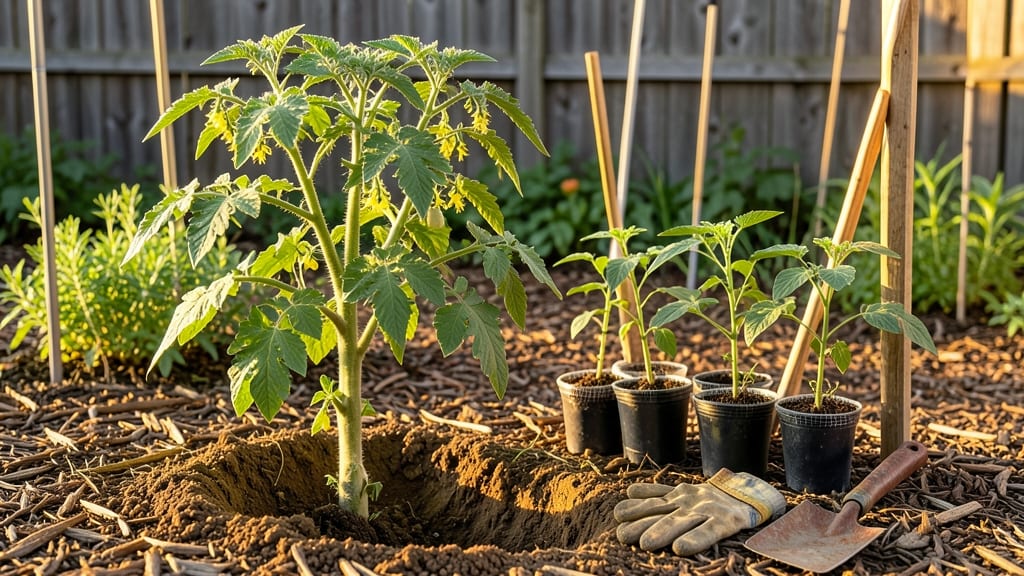
When can you plant tomatoes in Massachusetts—timing your harvest can make or break your garden’s success. With USDA Zone 6a frost dates ranging from mid-April to October, knowing the exact window for starting seeds indoors and transplanting outdoors is the key to a thriving 🍅 crop.
Most gardeners in Massachusetts start tomato seeds indoors 4-6 weeks before the last frost date, which typically falls around April 15. But here’s the catch: rushing outdoors too soon—even with warm soil—can leave your plants vulnerable to late frosts.
I’ll walk you through the exact dates for starting seeds, hardening off seedlings, and transplanting for zero-frost success, no matter where you garden in the state.
Whether you’re a first-time gardener or a seasoned pro, adjusting for microclimates (like urban heat islands or coastal breezes) can add critical weeks to your growing season. You’ll also discover how to extend harvests with row covers and which varieties thrive in Massachusetts’ shorter summers.
Let’s get your tomatoes in the ground at the perfect moment.
By the end, you’ll have a clear planting schedule tailored to your location, plus tips to troubleshoot late starts and protect your plants from unexpected cold snaps. Ready to turn your garden into a tomato powerhouse? Let’s dive in.
Massachusetts planting zones: when to start tomatoes indoors vs. outdoors
Massachusetts spans USDA hardiness zones 5-7, creating distinct planting windows for tomatoes. In Zone 5 (western MA), last frosts can linger until May 15, while Zone 7 (Cape Cod/Nantucket) typically sees frost-free soil by April 15.
These differences mean your indoor seed-starting and outdoor transplant dates must align with your specific zone to avoid frost damage.
For all zones, follow the 10-day rule: Wait 10 days after your average last frost date before transplanting seedlings outdoors. This buffer accounts for late cold snaps. In Zone 6a (most of MA), this usually means May 25-30 for safe outdoor planting.
Urban gardeners should check microclimates—south-facing walls or raised beds warm up faster than open ground.
Here’s your zone-specific planting timeline for tomatoes in Massachusetts, including when to start seeds indoors and direct-sow outdoors:
If you’re starting seeds indoors, begin 4-6 weeks before your last frost date. For Zone 6a, this means March 25-April 10. Use grow lights to supplement natural light—tomatoes need 12-16 hours of light daily to thrive.
Seedlings should have 2-3 true leaves before transplanting to avoid shock.
For direct sowing, plant seeds 1/4 inch deep in well-drained soil at 60°F or warmer. Use black plastic mulch to warm soil faster in cooler zones. In Zone 5, wait until June 1-15 to direct-sow—earlier plantings risk frost damage. Always monitor NOAA frost forecasts for your town.
Container gardeners should adjust dates 1-2 weeks later than ground plantings, as pots heat up slower. Use 5-gallon containers for determinate varieties and 7+ gallons for indeterminate types. Place pots in south-facing locations and use self-watering systems to maintain consistent moisture.
Pro tip: Hardening off seedlings 7-10 days before transplanting prevents shock. Gradually expose plants to outdoor conditions by placing them in partial shade for 2-3 hours daily, increasing time each day. This mimics natural conditions and strengthens stems.
Remember, microclimates matter. A south-facing wall can add 1-2 weeks to your growing season, while low-lying areas may experience late frosts until June. Use row covers or cloches for early plantings in frost-prone areas to extend your harvest window.
For late varieties like 'Celebrity', transplant as late as June 15 in Zone 6a—they’ll still produce fruit before frost. Pair them with early varieties like 'Stupice' (60-day harvest) for a staggered yield. Track your first frost date (typically October 15) to plan succession plantings.
🌱
How to adjust planting dates for early vs. late varieties in MA
Massachusetts gardeners face a tricky balance: plant early-maturing tomatoes too late, and you’ll miss the summer harvest; too early, and frost will end your crop before it starts. The key lies in matching tomato varieties to your last frost date and using season extension tools like row covers.
Let’s break down how to time your plantings for early, mid-season, and late varieties.
For example, the ‘Stupice’ variety matures in just 60 days, making it ideal for early planting (late April to early May) in USDA Zone 6a.
Meanwhile, ‘Celebrity’ tomatoes take 80 days to ripen, so they need a later start (mid-May) and may require row covers to protect against late frosts in September.
Here’s the pros and cons of each variety type to help you decide which fits your growing season and gardening goals:
(60-70 days)
(70-80 days)
(80+ days)
- Fast harvest
- Lower frost risk
- Great for containers
- Balanced yield
- Versatile for sauces/fresh eating
- Works with most climates
- Larger fruit
- Extended harvest
- Ideal for greenhouses
- Smaller fruit
- Shorter harvest window
- Needs early start
- Vulnerable to late frost
- Requires consistent care
- Moderate heat tolerance
- Needs longer season
- Risk of disease
- Requires protection
For late varieties, extend your season by using floating row covers or a low tunnel greenhouse. These tools can add 4-6 weeks of growing time, allowing you to plant ‘Celebrity’ tomatoes in early May and still harvest into October.
Just remember to remove covers during flowering to ensure pollination.
If you’re in western MA (Zone 6a), aim to transplant early varieties by May 1st and late varieties by May 15th. In eastern MA (Zone 6b), you’ve got a few extra days—push early varieties to May 5th and late varieties to May 20th.
Always check your local last frost date using the NOAA frost calendar for precision.
Pro tip: Plant a mix of early, mid-season, and late varieties to stagger your harvest. This way, you’ll enjoy tomatoes from July through October without gaps. For example, pair ‘Stupice’ (early) with ‘Brandywine’ (mid-season) and ‘Celebrity’ (late) for a continuous bounty.