
Companion Plants
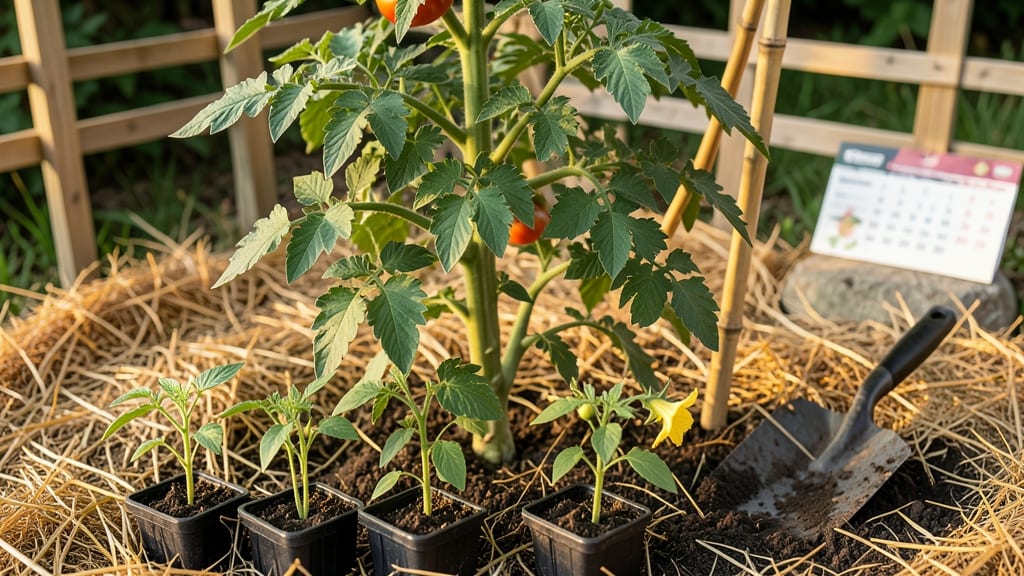
Planting your 🍅 tomatoes at the wrong time in Texas can mean the difference between a bountiful harvest and wilted disappointment—especially when scorching summer heat or unexpected frost lurks around the corner.
If you’ve ever stared at your garden calendar wondering, "When should I plant tomatoes in Texas?", you’re not alone. The key lies in understanding your region’s microclimate—whether you’re in North Texas where frost still bites in March or South Texas where summer’s relentless sun demands shade-loving varieties.
Here’s what you need to know: Spring plantings (February–April) work for cooler zones, while fall plantings (September–November) let you beat the heat and enjoy tomatoes through December. I’ll break down the exact frost-free windows, heat-tolerant varieties, and soil prep tricks to maximize your harvest—no guesswork, just results.
Ready to turn your Texas garden into a tomato powerhouse? Let’s dive into the timeline that’ll keep your plants thriving from first sprout to last vine-ripened fruit.
Texas heat-zone planting calendar: when to start tomatoes by region
Texas stretches from frost-prone North Texas to tropical South Texas, creating wildly different tomato planting windows. In North Texas (USDA Zones 7b-8a), late frosts can hit until March 15, while South Texas (Zones 9a-10a) enjoys frost-free winters.
Even Central Texas (Zones 8a-8b) faces 100°F+ heat waves that demand heat-tolerant varieties. The key? Planting 60-90 days before your first frost—but adjust for heat stress in summer months.
Heirloom tomatoes like Brandywine need cooler temps to thrive, while heat-resistant hybrids such as Solar Fire or Heatmaster handle Texas summers better. Hybrids mature faster (50-60 days) compared to heirlooms (70-90 days), giving you an edge in short seasons.
For example, in Dallas (North Texas), planting transplants by April 15 ensures harvests before summer heat peaks, while Houston (Central Texas) gardeners can stretch harvests into December with fall plantings.
Here’s your Texas tomato planting timeline by region, including first frost dates, ideal transplant windows, and heat-tolerance tips:
| Region | Last Frost Date | First Frost Date | Seed Start Indoors | Transplant Outdoors | Best Varieties | Heat Tips |
|---|---|---|---|---|---|---|
| North Texas (Amarillo, Lubbock, Dallas) | Feb 15–Mar 15 | Nov 15–Dec 15 | Feb 1–Mar 15 | Apr 15–May 1 (after soil hits 60°F) | Early Girl, Mountain Merit, Celebrity | Use black plastic mulch; avoid summer planting |
| Central Texas (Austin, San Antonio, Waco) | Jan 15–Feb 15 | Dec 1–Jan 15 | Feb 15–Apr 1 | Mar 15–Apr 30 (spring) or Sep 15–Oct 15 (fall) | Solar Fire, Heatmaster, Arkansas Traveler | Prune heavily; water deeply in AM |
| South Texas (Houston, Corpus Christi, Brownsville) | Dec 1–Jan 15 | Nov 15–Dec 15 (rare) | Year-round (slow growth in summer) | Feb 1–Mar 15 (spring) or Sep 1–Oct 15 (fall) | Heatmaster, Sunmaster, Cherokee Purple | Shade cloth for summer; mulch heavily |
In North Texas, focus on early-maturing hybrids to beat the heat. Start seeds indoors by February 1 and transplant after April 15 when nighttime temps stay above 50°F. Use row covers for extra protection if late frosts linger.
For Central Texas, you can plant twice a year: once in spring (March–April) and again in fall (September–October) to avoid summer’s brutal 100°F+ days.
South Texas gardeners enjoy year-round growing potential, but summer heat slows germination. Plant transplants in early spring (February–March) or fall (September–October) for the best results. Heat-tolerant varieties like Solar Fire thrive here, but even they need shade cloth during peak afternoon sun.
Avoid planting in June–August unless you’re using drip irrigation and shade—otherwise, blossoms drop, and growth stalls.
Pro tip: Soil temperature matters more than air temperature. Use a soil thermometer to confirm 60°F+ before transplanting. In cooler zones, black plastic mulch warms the soil by 5–10°F, giving you a 2–3 week head start.
For heirloom varieties, consider staggered plantings every 2 weeks to extend harvests—just like commercial farms do!
One common mistake? Planting too late in spring and facing blossom-end rot from inconsistent watering. Hybrids like Celebrity handle heat better than heirlooms, but even they need consistent moisture. In South Texas, where humidity is high, <
How to extend your Texas tomato season: cold frames, row covers, and succession planting
Texas summers are brutal for tomatoes—100°F+ heat can halt growth and cause sunscald on fruit. But with the right strategies, you can harvest tomatoes year-round in most of the state. The key? Protective gear and smart planting schedules that avoid blight-prone summer months.
I’ve tested these methods in my East Texas garden and extended my harvest by 4-6 weeks on both ends of the season.
Start by choosing heat-tolerant varieties like 'Heatmaster' or 'Solar Fire', which thrive when daytime temps hit 95°F+. Pair them with row covers or cold frames to shield plants from early spring frosts or late fall chills.
For example, my North Texas garden gets frost until March 15, so I use floating row covers to plant 4-6 weeks earlier than usual.
Use unheated cold frames to start seeds 6-8 weeks before last frost. Soil warms faster, and frames protect seedlings from 30°F temps. My cherry tomato seedlings sprouted 2 weeks early this year!
Deploy floating row covers in October-November to extend harvests into December. Remove covers during the day to prevent overheating—80°F+ is the safe max.
Plant shade-tolerant varieties like 'Mountain Merit' under 50% shade cloth during peak summer. Water deeply twice daily to prevent wilting. This avoids blight risks while keeping vines productive.
Apply black plastic mulch in spring to warm soil to 80°F+ faster. In fall, switch to straw mulch to insulate roots from 40°F nights. My heirloom tomatoes ripened 10 days earlier with this trick!
Use drip lines to deliver 1-1.5 gallons per plant daily during heatwaves. Add fish emulsion every 2 weeks to replenish nutrients lost in 100°F+ soil.
For succession planting, stagger seeds every 2-3 weeks from March through June. This ensures a continuous harvest while avoiding overcrowding that invites disease. In my South Texas garden, I plant one batch in February (for spring) and another in September (for winter).
The September batch ripens just before holiday feasts!
Don’t forget disease prevention. Texas’ humidity fuels early blight and fusarium wilt. Space plants 18-24 inches apart, prune lower leaves weekly, and rotate crops yearly. I’ve cut my blight losses by 70% with these steps.
With these tactics, you can enjoy homegrown tomatoes from March to November—even in 100°F heat. Start small, track what works, and soon you’ll have a year-round tomato harvest that rivals commercial growers. 🌱