
Companion Plants
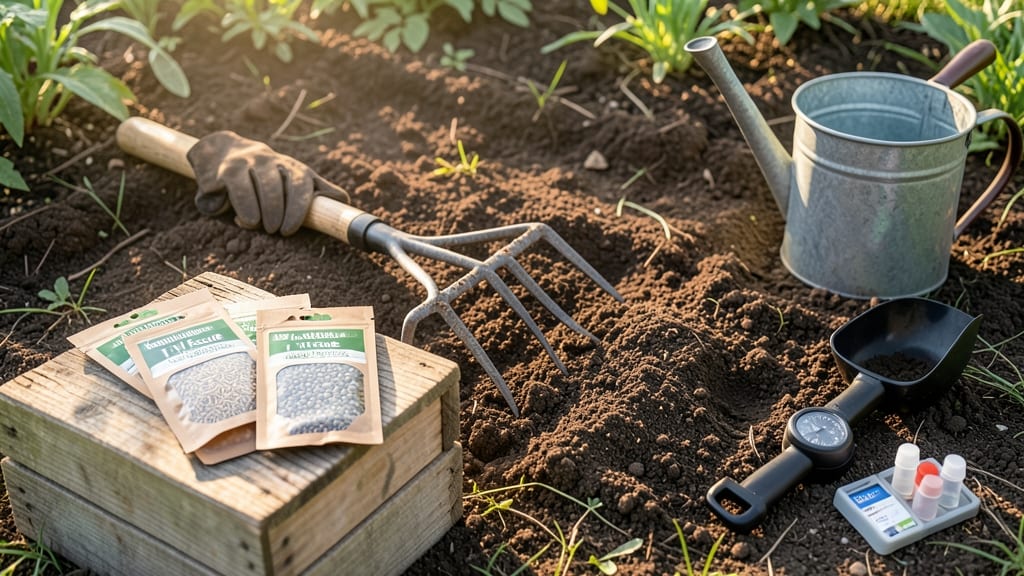
Planting grass seed at the wrong time in spring can turn your dream of a lush lawn into a patchy, frustrating mess. The key to success isn't just waiting for warmer weather—it's understanding your soil's readiness and avoiding those sneaky frost surprises.
I've learned the hard way that rushing too early or waiting too long can both backfire. Whether you're in USDA Zone 6a or another region, timing your grass seed planting 4-6 weeks before the last frost makes all the difference.
Let me show you exactly how to nail this window for your climate.
We'll cover soil temperature tricks, zone-specific deadlines, and the 3 biggest mistakes that kill grass before it even sprouts. By the end, you'll know exactly when to grab that seed spreader and how to give your lawn the best possible start.
Ready to transform that bare dirt into vibrant green? Let's get your grass growing strong this spring—no guesswork required.
Best spring planting timeline by US growing zones
Getting your grass seed in the ground at the right time is everything—plant too early and frost will kill your seedlings, too late and summer heat stresses them. The ideal window depends on your USDA zone and soil temperature, which should reach 50-60°F for germination.
In colder Northern zones, aim for early spring when daytime temps consistently stay above 55°F, while Southern regions can start as early as February.
Most grass types need 4-6 weeks to establish before summer heat arrives. Cool-season grasses like Kentucky bluegrass and fescue thrive when planted 4-6 weeks before your last expected frost date. Warm-season grasses like Bermuda or Zoysia should wait until after your last frost when soil hits 65°F+.
Your local frost-free date is your first clue, but soil temperature is the real game-changer. A soil thermometer (just $10) tells you for sure—plant when temps hold steady at 55-65°F for 5+ days.
In Zone 3-5, that’s often late April to early May, while Zone 7-9 gardeners can start as early as February.
Northern climates (Zones 3-5) face the biggest challenge—late frosts can sneak in even after your average last frost date. I’ve seen May frosts in Zone 4 delay planting until early June.
Always check your local Almanac or USDA Plant Hardiness Map for microclimate variations, like valleys holding cold air longer than hilltops.
Southern gardeners (Zones 7-11) have more flexibility but must watch for summer heat. Planting too early in Zone 9 can stress seedlings before they root. I recommend late February for warm-season grasses like Bermuda, giving them time to establish before June heat peaks.
If your spring is unusually cold, don’t rush—waiting a few weeks for soil warmth prevents seed rot and ensures stronger roots. I once planted Kentucky bluegrass in Zone 6 in early April, only to have late frost wipe out half my seedlings.
Now, I wait until mid-May unless the forecast is frost-free for 2 weeks.
For cool-season grasses, aim to finish planting by June 1 in most zones—after that, summer heat slows germination. Warm-season grasses should be in the ground by late May in the South to avoid drought stress.
Pro tip: Use a seed blanket or straw mulch to protect seedlings from temperature swings.
Don’t forget soil prep—loosen soil to 4 inches deep, mix in compost, and rake smooth before seeding. The right soil temperature and moisture are just as critical as timing. Once your grass hits 2-3 inches tall, you’ll know you nailed the timing!
How to test soil warmth before planting grass seed
Planting grass seed too early in spring can leave your lawn vulnerable to late frost or slow germination. The key to success is ensuring your soil temperature is consistently between 55-65°F—this is the sweet spot for most grass varieties to sprout reliably.
But how do you know when your soil is ready? Testing it properly saves you from wasted seed and disappointment.
Don’t rely on air temperature alone—soil warms up more slowly. A 50°F air temperature can still hide 40°F soil, which is far too cold for grass seed to germinate.
Using the right methods to check soil warmth ensures your new lawn gets off to a strong start. Here’s how I test mine every spring without fail.
If your soil is still too cold after your ideal planting window, consider using a black plastic mulch to warm it faster. Lay it down for 1-2 weeks before seeding—it can raise soil temperatures by 10-15°F. Just remember to remove it once you plant to avoid smothering new shoots.
Pro tip: Keep a soil thermometer handy for the next few weeks after planting. Grass seed needs consistent warmth to germinate—if nighttime temps drop below 45°F, cover the area with straw mulch to protect tender seedlings. Patience now pays off with a thicker, healthier lawn later.
Don’t let a few cool days fool you—waiting for the right soil temperature is the best way to avoid patchy germination or frost damage. Once your soil hits that 55-65°F range, you’re ready to sow with confidence. 🌱