
Companion Plants
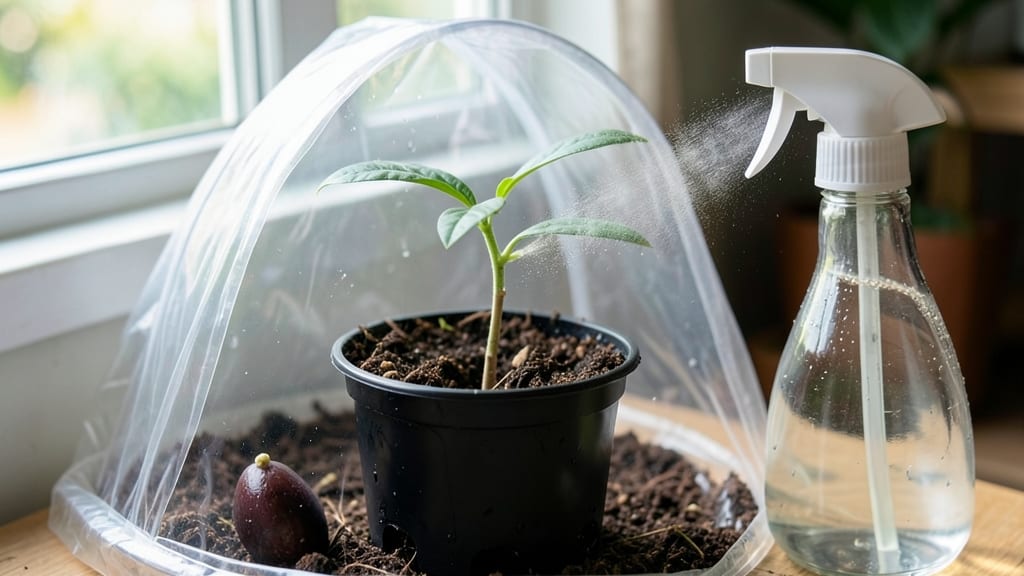
Planting your avocado seed in dirt at the wrong time can mean the difference between a thriving 🥑 Avocado Tree and a sad, mushy failure. Unlike outdoor plants, avocado seeds need a precise indoor head start—too early, and you risk rot; too late, and growth stalls before it even begins.
Most gardeners wait until their seed has sprouted 1-2 inches of roots before transferring it to soil, but the real secret lies in understanding your climate.
In Zone 6a, spring planting after the last frost (around mid-April) gives seedlings the best shot at survival, while warmer zones can start anytime.
I’ll walk you through the exact timing, from pre-sprouting in water to transplanting into well-draining soil—plus how to spot when your seedling is truly ready. Skip the guesswork and give your future tree the fast, healthy start it deserves.
Whether you’re a beginner or a seasoned grower, these proven steps will help you avoid common pitfalls and set your avocado seed up for success. Let’s get those roots growing the right way!
Optimal indoor start times for avocado seeds before planting in dirt
Starting your avocado seed indoors at the right time maximizes germination success and ensures a strong seedling ready for soil. The ideal window is 4-6 weeks before your last frost date, but this varies by climate.
In warm zones (Zone 10+), you can start year-round, while cool climates (Zone 6-9) should begin in late winter (February) to avoid transplant shock.
Your avocado seed needs 2-3 months of indoor care before transitioning to soil. This timeline balances root development with environmental conditions. Week 1-2 focuses on sprouting, while weeks 3-6 prepare the seedling for soil. Skipping this process risks weak roots or fungal issues when planted too soon.
Below is a climate-adjusted timeline for avocado seed development. Adjust based on your USDA zone and indoor conditions. Warm climates can move faster, while cool regions may need extended indoor care.
During weeks 1-2, your avocado seed should sprout roots in 1-3 inches of water. Change the water every 2-3 days to prevent bacteria. Place the jar near a bright window (south-facing) or under a grow light for 12+ hours/day. Avoid direct sunlight, which can overheat the water.
By week 3, roots should reach 2-3 inches. Reduce water depth to 1 inch to encourage root thickening. If roots brown or smell foul, rinse them and refresh the water.
This is critical—weak roots struggle in soil later. In cool climates, supplement with a heat mat (70-75°F) to speed growth.
At week 4, roots should fill the jar. Prepare a well-draining soil mix (50% potting soil, 30% perlite, 20% compost). Use a 6-inch pot with drainage holes. Plant the seed halfway into soil, leaving the top 1/3 of the seed exposed. Water lightly to settle soil—overwatering causes rot.
After 2 weeks in soil, your seedling should show new leaves and firm stems. Gradually introduce it to outdoor conditions (harden off) by placing it outside for 1-2 hours/day, increasing time weekly.
In warm zones, this can start in March, while cool zones may wait until May.
If your avocado seed
Signs your avocado seed is ready for dirt (and how to prepare it)
Your avocado seedling has spent weeks growing roots in water, but knowing when to plant it in dirt is crucial for survival. The transition from water to soil marks a critical growth phase—do it too soon, and roots may rot; too late, and your seedling risks stunted development.
Look for these three key indicators before making the move: root length, stem thickness, and leaf health.
First, check the root system. Healthy avocado roots should measure 2-3 inches long and appear thick, white, and fibrous. If roots are hair-like or sparse, give your seedling 1-2 more weeks in water.
Roots should also fill the container—if they’re circling or crowding, it’s time to upgrade to soil. A well-developed root ball ensures your seedling can absorb nutrients efficiently once planted.
Next, examine the stem thickness. A ready seedling will have a pencil-thick stem (about ½ inch in diameter) with a firm, sturdy feel. If the stem feels soft or hollow, it’s not yet strong enough to support soil.
Thickness correlates directly with structural stability—thicker stems handle transplant shock better. Gently pinch the stem; if it snaps easily, wait another week.
Leaf color and size are your third clue. Healthy leaves should be dark green and glossy, with 2-4 mature leaves (each 3-4 inches long). Avoid planting if leaves are yellowing, wilting, or curling—these signs signal stress.
New growth is a positive indicator: if you spot bright green, upward-facing leaves, your seedling is ready for the next phase. Yellowing leaves often mean overwatering or nutrient deficiency.
🌱 When to Plant Your Avocado Seed in Dirt
- 🌿 Roots 2-3" long, white, and fibrous
- 🪴 Stem ½" thick, firm, and sturdy
- 💚 3-4 dark green leaves, 3-4" long
- ⚠️ Roots <1" or hair-like
- ⚠️ Soft or hollow stem
- ⚠️ Yellowing/curling leaves
Once your seedling meets these criteria, prepare it for soil with a well-draining mix. Combine 60% potting soil, 30% perlite, and 10% compost for optimal aeration and nutrients. Avoid garden soil—it compacts easily and suffocates roots.
Choose a 6-8 inch pot with drainage holes to prevent waterlogging. If your seedling is taller than 6 inches, opt for an 8-inch container to support its height.
To minimize transplant shock, harden off your seedling 3-5 days before planting. Move it outdoors for 2-3 hours daily, gradually increasing exposure. This acclimates the plant to outdoor conditions, reducing stress. On planting day, water the seedling 12 hours beforehand to hydrate roots.
Fill the pot with your mix, create a small hole, and gently place the seedling so the soil line matches the water level it grew in. Pat the soil lightly and water thoroughly to settle it.
After planting, place your avocado seedling in bright, indirect light for 1-2 weeks to recover. Avoid direct sun initially—it can scorch delicate new leaves. Water deeply every 5-7 days, ensuring the top 1-2 inches of soil dry out between waterings.
Within 2-4 weeks, you’ll see new growth as a sign your seedling has successfully adapted. Patience is key: avoid fertilizing for 4-6 weeks to let roots establish.