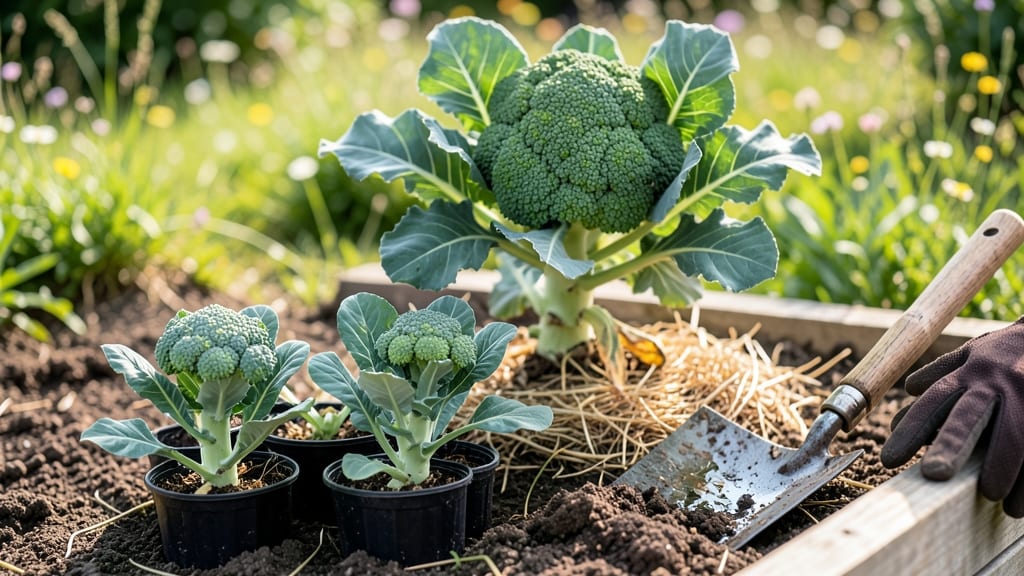
If you’ve ever planted broccoli 🥦 in Texas only to watch it bolt into bitter flowers before harvest, you’re not alone—and timing is the key to avoiding that disappointment.
Texas gardeners know broccoli thrives in cool weather, but getting the schedule wrong can turn your zero-bolt dreams into a frustrating waste of effort.
The secret lies in planting during Texas’s two ideal windows: early spring and fall, when temperatures stay mild enough to prevent bolting.
In warmer zones like South Texas, you’ll need to adjust your calendar to avoid the brutal summer heat, while North Texas gardeners can stretch the season with a few smart tricks.
I’ve tested the best methods for Texas-specific planting, from soil prep to spacing, so you can maximize your harvest without the stress.
Whether you’re in the Hill Country or along the Gulf Coast, these insights will help you time your broccoli just right—no more wasted plants, just crisp, flavorful heads ready to pick.
Let’s break down the exact months to plant, how to beat the heat, and the varieties that perform best in your region. Your perfect broccoli patch starts with the right timing—and I’ll show you how to nail it.
🥦
When to Plant Broccoli
Jan
❄️
Feb
❄️
Mar
🌱
Apr
🥦
May
🥦
Jun
🌱
Jul
☀️
Aug
☀️
Sep
🍂
Oct
🍂
Nov
🍂
Dec
❄️
Texas heat zones & broccoli planting calendar for zero-bolt success
Texas gardeners face a unique challenge with broccoli—this cool-weather crop despises heat, yet our long growing seasons demand precise timing. The key to zero-bolt broccoli lies in understanding your Texas heat zone (A-F) and planting during the 60-75 day window before summer's relentless sun triggers bolting.
In USDA zones 7b-10a, even a few degrees difference can mean the difference between lush heads and bitter disappointment.
Broccoli thrives when nighttime temperatures stay between 50-75°F, while daytime highs shouldn't exceed 80°F for more than brief periods. Most Texas regions experience three optimal planting windows: early spring, fall, and winter (for southern zones).
The fall planting is often the most reliable, as it allows broccoli to mature before winter's chill sets in—but timing varies dramatically from East Texas' humid zone A to El Paso's arid zone F.
Here's your heat-zone specific planting calendar to avoid bolting and maximize harvests:
| Heat Zone |
USDA Zone |
Best Planting Windows |
Soil Temp (°F) |
Days to Maturity |
Key Tip |
| A (East TX) |
7b-8a |
Sep 15-Oct 15
Feb 15-Mar 15 |
60-75°F |
60-75 |
Use shade cloth in summer |
| B (Central TX) |
8a-8b |
Sep 1-Oct 10
Feb 1-Mar 10 |
65-70°F |
65-70 |
Mulch heavily for heat protection |
| C (West TX) |
8b-9a |
Aug 20-Sep 10
Jan 15-Feb 15 |
70-75°F |
70-75 |
Choose fast-maturing varieties |
| D (North TX) |
7b-8a |
Sep 1-Oct 1
Mar 1-Apr 1 |
55-65°F |
60-70 |
Plant near winter veggies |
| E (South TX) |
9a-10a |
Aug 1-Sep 15
Dec 15-Jan 15 |
75-80°F |
55-65 |
Use drip irrigation only |
| F (Far West TX) |
9b-10a |
How to extend broccoli season in Texas: cooling hacks & variety selection
Texas summers can turn broccoli plants into sad, bolted memories before you even taste your first harvest. But with the right cooling strategies and heat-resistant varieties, you can stretch your broccoli season from early spring through late fall. The key? Combating heat stress while keeping plants happy and productive.
I’ve grown broccoli in Central Texas heat zones for years, and these methods have helped me avoid bolting while still enjoying fresh heads. From shade cloth tricks to succession planting schedules, these hacks will keep your broccoli thriving when temperatures climb.
🌱 5 Cooling Hacks to Extend Broccoli Season in Texas
- Use 30-50% shade cloth during peak afternoon sun (12 PM–4 PM) to lower leaf temps by 10-15°F.
- Mulch heavily with 3-4 inches of straw or wood chips to keep roots 5-10°F cooler.
- Plant bolt-resistant varieties like 'De Cicco' (70-day) or 'Waltham 29' (65-day) that tolerate 85°F+ temps better.
- Succession plant every 2 weeks from September to March for continuous harvests without heat stress.
- Water deeply in early morning (1-2 inches per week) to prevent heat shock from afternoon watering.
One of my biggest breakthroughs was switching to 'De Cicco' broccoli, which handles Texas heat better than standard varieties. This Italian heirloom stays compact and productive even when temps flirt with 90°F.
Pair it with succession planting—sowing new seeds every 2-3 weeks—to ensure you always have fresh plants entering cooler phases.
For mulching, I swear by a thick layer of straw around the base of plants. It doesn’t just retain moisture—it acts like a thermal blanket, keeping roots cool during scorching afternoons.
Just avoid piling mulch against stems to prevent rot. Pair this with drip irrigation timed for sunrise, and you’ll mimic the ideal cool, moist conditions broccoli craves.
Don’t forget about fall planting! While spring is classic, Texas’s cooler fall months (October–December) offer perfect broccoli-growing weather. Start seeds indoors 6-8 weeks before your first frost (usually late October for most of the state), then transplant hardened-off seedlings into the garden.
This gives you a second harvest window before winter sets in.
Even with these tricks, watch for heat stress signs like yellowing leaves or premature flowering. If you spot them, prune affected foliage immediately and provide extra shade. With these cooling hacks, you’ll enjoy homegrown broccoli for months—no bolting in sight! 🥦
★★★★★4.9(12 reviews)
|