
Plants
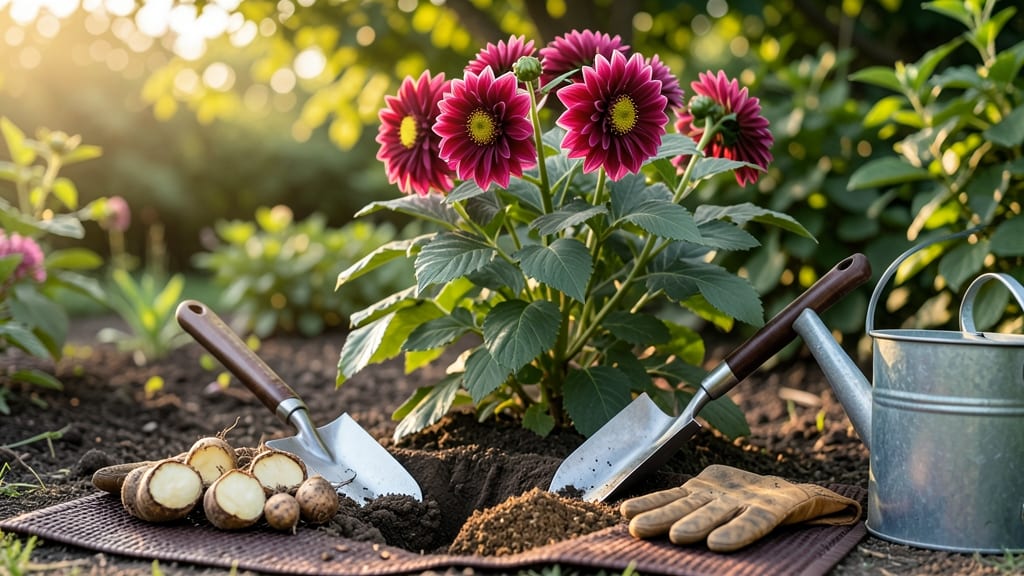
Planting dahlias in New Zealand at the wrong time can mean the difference between a showstopping garden and a sad, stunted 🌼—and with frost risk lurking until late September in some regions, getting the timing right is everything.
Whether you're in sun-drenched Northland or cooler Canterbury, the ideal window shifts dramatically, and waiting too long could leave you scrambling as summer slips away.
Most NZ gardeners aim to plant their dahlias between September and October, but the exact date depends on your local frost-free date. In warmer North Island zones, you might start as early as mid-September, while South Island growers often wait until late October to avoid frost damage.
The key is planting once soil temperatures consistently hit 10°C—that’s when those tubers wake up and start growing.
Here’s the game-changer: even if you’ve got your calendar marked, don’t rush. Dahlias planted in cold, damp soil can rot before they even sprout.
I’ll show you how to prep your tubers, choose the perfect spot, and protect your plants from NZ’s unpredictable spring weather—so you’re not left with wilting blooms when summer finally arrives.
Let’s break it down by region, so you can plant with confidence and enjoy dahlias that thrive from your first frost-free day until late autumn. Ready to turn your garden into a floral masterpiece?
NZ dahlia planting calendar: frost-free dates by region for maximum blooms
New Zealand’s diverse climate zones mean your dahlia planting window can shift by 6 weeks from Northland to Southland. The key? Planting after your last frost date and when soil temperatures hit 10°C (50°F)—critical for tuber viability.
In Northland, you might plant as early as late August, while Southland gardeners should wait until mid-November.
Dahlias thrive in warm soil and consistent temperatures, so rushing them out too soon risks tuber rot or frost damage. Use this regional guide to align your planting with frost-free forecasts and soil warmth—the secret to bold, long-lasting blooms all summer.
🌼
In Northland, where frost is rare, you can start planting dahlia tubers as early as late August, provided soil temperatures are above 10°C (50°F). Use a soil thermometer to check—cooler soil can stunt growth or cause rot.
For Auckland and Waikato, aim for mid-to-late September when frost risk drops and days warm up.
Southern regions like Wellington, Canterbury, and Southland demand patience. Wait until mid-October at the earliest, and consider protective measures like cloche covers if planting earlier. Canterbury’s cold snaps in October can still damage tender tubers, so monitor weather forecasts closely.
Pro tip: Chit your tubers (place them in bright light to encourage sprout growth) 4-6 weeks before planting. This gives you a head start on the season, especially in cooler regions where growing conditions are slower to warm up.
🌱
Once planted, mulch heavily to retain soil warmth and prevent frost heave.
In Southland, where frost lingers until mid-November, use straw or black plastic mulch to create a microclimate that protects young shoots. Tall varieties (like 'Café au Lait') may need extra support if planted late—install stakes early to avoid disturbing roots later.
For container growing, adjust your timeline by 2-3 weeks earlier—potted dahlias warm up faster in sunny spots. But remember: containers dry out quicker, so water consistently and use heat-retaining pots like terracotta.
💧
How to prepare dahlia tubers for NZ’s unpredictable spring weather
NZ’s spring weather can be as fickle as a dahlia’s blooms—one day warm and sunny, the next a surprise frost. To give your tubers the best start, preparation is key.
I’ve learned the hard way that planting too early in cold soil leads to rot, while waiting too long means missed summer blooms. The secret? A mix of chitting, hardening off, and smart soil prep tailored to your region’s frost risk.
Start by inspecting your tubers for any soft spots or shriveled eyes—these are red flags for rot. Healthy tubers should feel firm and plump. Once you’ve got your healthy stock, the next step is chitting, which jump-starts growth.
Place tubers in a tray with the eyes facing upward, in a warm spot (around 15-20°C) with bright, indirect light. Within 2-3 weeks, you’ll see sprouts emerging, ready for planting.
Here’s my foolproof step-by-step guide to prepping your dahlias for NZ’s variable spring, so you’re not left scrambling when the first frost warning hits:
- Step 1: Chit Your Tubers
- Place tubers in a tray with eyes facing up.
- Store in a warm, bright spot (15-20°C).
- Sprouts should appear in 2-3 weeks.
- Step 2: Harden Off Sprouted Tubers
- Move trays outdoors for 2-3 hours daily.
- Gradually increase exposure over 7-10 days.
- Protect from frost with a cloche or fleece.
- Step 3: Test Soil Temperature
- Use a soil thermometer—wait until it’s 10°C+.
- In cooler regions (Canterbury/Southland), aim for mid-October.
- In warmer zones (Northland/Auckland), late September is ideal.
- Step 4: Prep the Planting Site
- Choose a sunny, sheltered spot with well-draining soil.
- Mix in compost or aged manure for nutrients.
- Avoid waterlogged areas to prevent tuber rot.
- Step 5: Plant with Frost Protection
- Plant tubers 10-15cm deep, eyes facing up.
- Space dwarf varieties 30cm apart, tall types 60cm+.
- Cover with frost cloth if nights dip below 5°C.
- Step 6: Water Wisely
- Water deeply at the base—avoid wetting foliage.
- Use mulch to retain moisture and insulate roots.
- Reduce watering if rain is forecast.
Don’t underestimate the power of frost protection—even in October, a late frost can sneak in. I’ve saved many a dahlia by covering plants with frost cloth or old bedsheets when the weather forecast turns chilly.
Once your plants are established (around 6-8 weeks
Pro tip: If you’re in a cooler region, consider starting tubers indoors in September and transplanting later. This gives you a head start on the growing season and ensures you’re not left with bare soil when summer arrives. With these steps, your dahlias will burst into bloom just in time for NZ’s golden summer—no missed deadlines, just stunning flowers. Now that your tubers are prepped and ready, the next step is choosing the perfect spot in your garden. Remember, sunlight and drainage are non-negotiable for dahlias—so pick wisely! 🌼