
Plants
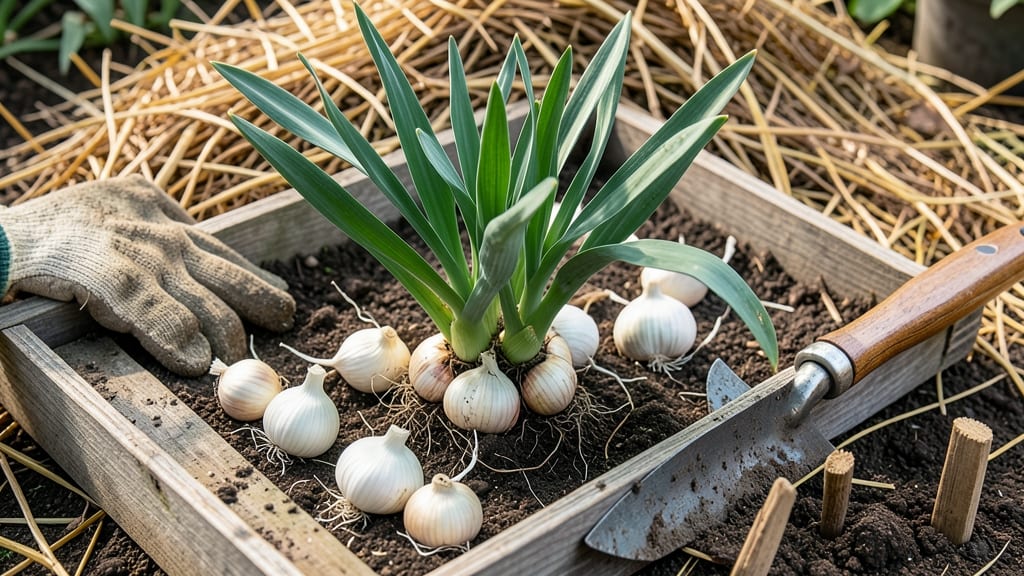
Planting garlic in Tennessee at the wrong time can turn your 🧄 dreams into a flop—so timing is everything for this hardy but picky plant.
If you’ve ever wondered why some gardeners swear by fall planting while others swear by spring, the answer lies in Tennessee’s 6a-7b climate zones. The key is getting those cloves into the ground 4-6 weeks before the first frost, which typically hits mid-October.
Too early, and your garlic may sprout before winter; too late, and it won’t establish strong roots before the cold sets in.
Most Tennessee gardeners plant between October and November, but the exact window depends on your zone and soil temperature. Hardneck varieties, like the popular ‘Music’ or ‘German White,’ thrive in cooler climates, while softneck types (like ‘Silverskin’) can handle slightly warmer zones.
Either way, the goal is the same: plant early enough for a robust harvest the following July or August.
Ready to avoid common mistakes? I’ll walk you through the best planting schedule for your zone, soil prep tips, and how to choose the right variety for Tennessee’s unique growing conditions. Let’s get those cloves in the ground the right way!
Tennessee garlic planting deadlines by hardiness Zone (fall schedule)
Garlic thrives in Tennessee’s cool fall weather, but planting too early or late can ruin your crop. Since Tennessee spans USDA zones 6a-7b, your exact planting window depends on when the first frost hits.
For most of the state, that means October through November—but timing varies by region.
In Zone 6a (eastern Tennessee), you’ll have a slightly longer window than Zone 7b (western Tennessee). The key is planting 4-6 weeks before the ground freezes, when soil temperatures drop below 50°F (10°C) but haven’t yet reached freezing. This balance ensures roots establish before winter dormancy.
For Zone 6a gardeners, aim to plant by October 15 to avoid early freezes. In Zone 7b, you can push it to November 15, but don’t wait until December—garlic planted too late won’t establish strong roots before winter.
Check your local last frost date using the USDA Plant Hardiness Zone Map or your county extension office. A general rule: plant when daytime temps stay below 70°F (21°C) but nights dip into the 40s°F (4-9°C). This triggers bulb formation.
If you miss the fall window, you can try spring planting, but yields will be 30-50% smaller. Spring-planted garlic bolts to seed faster in Tennessee’s heat, making it a risky backup plan.
For best results, stick to fall planting and choose hardneck varieties like ‘Music’ or ‘German White’, which thrive in Tennessee’s climate.
Pro tip: Use a soil thermometer to confirm temps. Garlic cloves need 40-50°F (4-10°C) soil to sprout. If your soil is still warm, wait a week or two—patience pays off with bigger bulbs. Mulch heavily after planting to insulate roots through winter.
Remember, garlic is a perennial in Tennessee, but we harvest and replant annually. The bulbs you plant in fall 2024 won’t mature until summer 2025. Plan ahead: mark your calendar for July-August harvest when lower leaves turn brown.
For extra insurance, plant a test row in early October—if it freezes, you’ll know to shift your main planting to a later date. Tennessee’s microclimates mean your neighbor’s perfect timing might not work for you, so observe your garden’s unique patterns.
Finally, avoid planting garlic where onions, leeks, or garlic grew in the past 3 years to prevent disease. Rotate crops and your garlic will reward you with bold, flavorful bulbs year after year. 🧄
How to prepare Tennessee soil for fall garlic planting (step-by-step)
Fall garlic planting in Tennessee demands well-prepared soil—especially since our state’s clay-heavy or sandy soils can stifle growth if not amended properly. Garlic thrives in loose, fertile soil with a slightly acidic pH (6.0-7.0), but Tennessee’s native soils often need adjustments to meet these requirements.
Before planting, I always test my soil’s pH and organic matter levels. A simple home soil test kit (available at garden centers) costs around $10 and provides instant results. For accurate readings, collect samples from multiple spots in your garden bed, mix them, and follow the kit instructions.
⚠️ WARNING: Planting garlic too late in Tennessee’s fall schedule can lead to poor bulb development. Tennessee’s hardiness zones 6a-7b allow planting from mid-October to early November, but soil temperatures must stay above 40°F (4°C) for roots to establish.
If you plant after the first frost, your garlic may rot before forming bulbs. Always check your local last frost date—most Tennessee regions experience it between October 15-30.
For clay-heavy soils, I recommend adding 2-3 inches of compost or well-rotted manure to improve drainage and aeration. Work it into the top 6-8 inches of soil using a broadfork or tiller.
Sandy soils, common in parts of West Tennessee, benefit from organic matter like peat moss or coconut coir to retain moisture and nutrients.
Garlic also needs phosphorus and potassium for strong bulb formation. Mix in a balanced fertilizer (5-10-10) at planting time—about 1 tablespoon per square foot. Avoid fresh manure or high-nitrogen fertilizers, as they can cause excessive leaf growth at the expense of bulb development.
Before planting, loosen the soil to a depth of 8-10 inches to encourage root penetration. Create raised beds if your soil is particularly compacted or waterlogged. This simple step helps prevent root rot, a common issue in Tennessee’s humid climate.
Finally, mulch your garlic beds with 2-3 inches of straw or leaves after planting. This protects cloves from freeze-thaw cycles and retains moisture during Tennessee’s unpredictable fall weather. Mulch also suppresses weeds, reducing competition for nutrients.